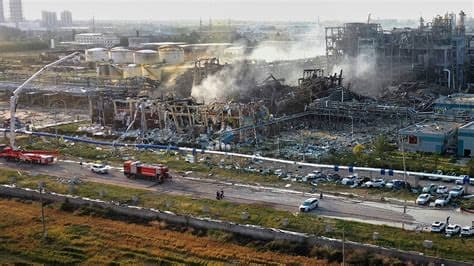
The dusk light in southern Spain seemed ordinary at first—warm and slow over fields and olive trees—but beneath that calm lay a scrape of distraction and concern. Near Adamuz, where tracks stretch in straight lines across the plain, a deadly high-speed collision left its mark not only on metal and earth, but on the way information travels in a crisis.
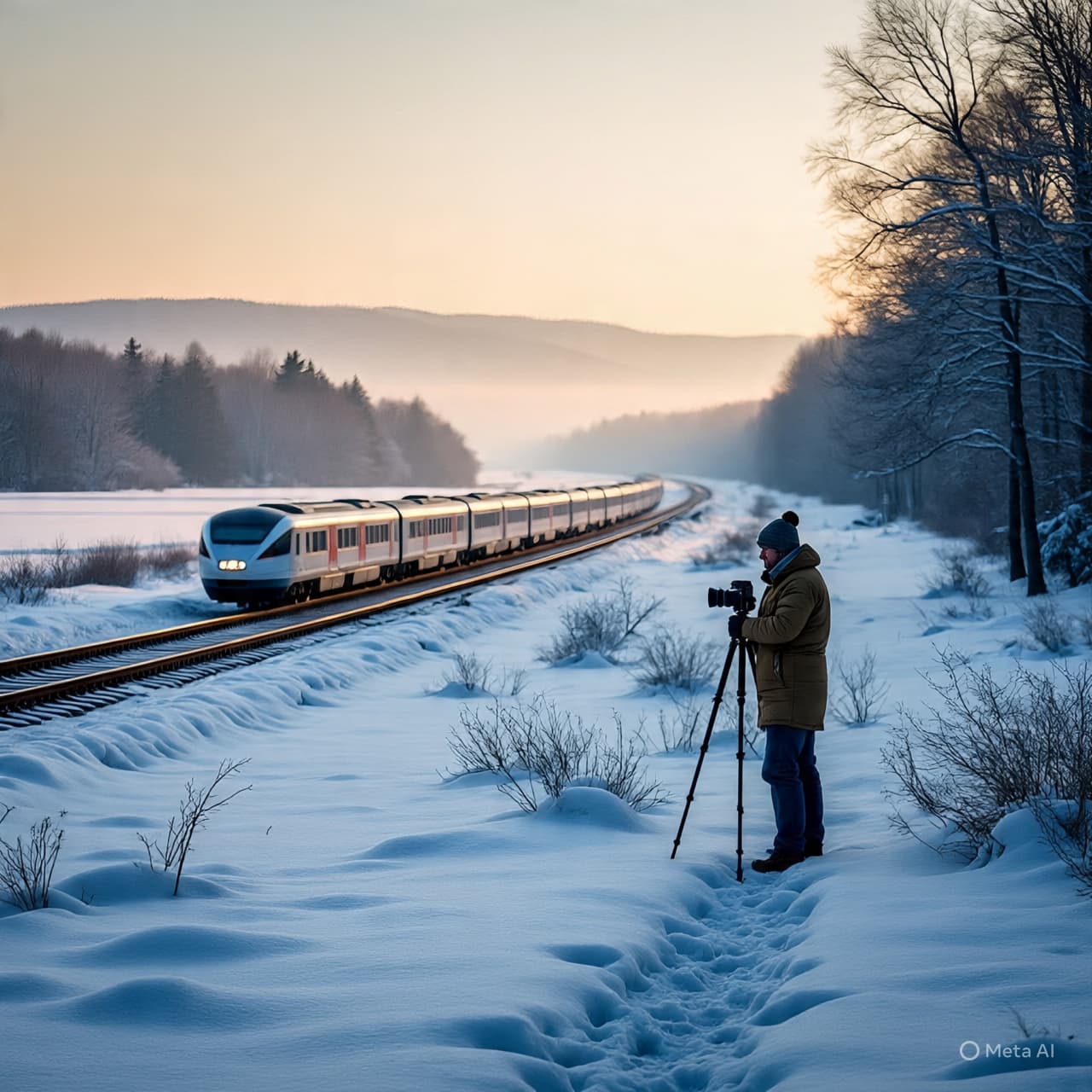
Among the somber task of documenting the aftermath, one photographer found something that would stir conversation far beyond the crash site. With his camera trained on the wreckage, he captured a fragment of undercarriage that had lain just beyond the cordon, heavy and out of place. What he saw was not merely debris; it was a piece that raised questions about the events that had unfolded and the explanations offered so far.
Investigators in the days after the accident have focused on determining why the train derailed along a straight stretch of newly maintained track—whether a fracture in the rails or some other mechanical failure played a role. Officials have emphasized that both trains were traveling below the permitted maximum speed and that human error is not currently singled out as the primary cause.
The photographer’s images entered public conversation swiftly, shared by international newsrooms and prompting commentators to ask whether all evidence was being fully accounted for. In a tragedy that has already drawn national mourning, the visual clue became more than a still frame: it became a catalyst for discussion about transparency and thoroughness in the ongoing investigation.
For those at the scene in the days after the collision, life had already contracted into narrow rhythms of rescue and recovery. Heavy machinery hummed in fields where twisted carriages once rode, and search teams combed through debris for signs of the missing. Families and communities felt the sharp edges of loss and relief alike, as survivors emerged and others remained unaccounted for.
Pictures, in this context, do more than recount what happened. They anchor memory and shape questions yet unanswered. The fragment of metal photographed from a distance, resting in shallow water, reminded onlookers of the brittle line between accident and understanding—how the smallest detail can become focal in a larger effort to make sense of chaos.
As official inquiries continue and mourning stretches across towns and regions, the public conversation is not just about what happened, but how it will be understood. In Spain’s wide plains and under its clear winter sky, images now travel as swiftly as trains once did—bearing not only record but reflection.
AI Image Disclaimer
Illustrations were created using AI tools and are not real photographs.
Sources
PetaPixel reporting Spanish rail accident investigation commentary Associated Press accounts Regional press coverage
Published by Banx Network. This article is part of the Banx decentralized media programme, powered by the BXE token on the XRP Ledger.