
Key Highlights
- Rafah border crossing reopens after prolonged closure, signaling hope for movement.
- Thousands in Gaza await medical care and reunions across the border.
- The reopening reflects both practical needs and symbolic significance for residents.
The Rafah border crossing, a critical gateway for Gaza, has reopened after a lengthy closure that began in May 2024 due to escalating conflict. This reopening marks a significant moment for the residents of Gaza, who have faced severe restrictions on movement and access to essential services. The crossing, which connects Gaza to Egypt, has long been a lifeline for those seeking medical treatment, family reunification, and economic opportunities.
For over a year, the gates of Rafah remained largely shut, leaving many families in limbo. The absence of movement transformed the daily lives of Gazans, who learned to navigate their existence around the uncertainty of crossing the border. As the gates creaked open once more, it signaled not just a physical passage but a glimmer of hope for thousands who have been waiting for the chance to leave or return home.
In recent weeks, discussions among officials from Israel, Egypt, and the European Union have intensified regarding the conditions for reopening the crossing. These negotiations have focused on establishing security protocols, screening processes, and limits on the number of individuals allowed to cross at any given time. For many in Gaza, the reopening is a matter of urgency, as thousands require medical care that is unavailable within the territory. The sight of ambulances gathering near the crossing, engines idling, reflects the desperation and anticipation felt by those waiting for a chance to cross.
The movement through Rafah is not expected to be swift; rather, it will occur in small increments. Each crossing will be meticulously monitored, with security checks that resemble a slow dance of identity verification. Despite these constraints, the act of crossing the border holds profound significance. It embodies the resilience of individuals striving to reclaim their lives amidst ongoing challenges.
Beyond the logistical aspects, the reopening of Rafah carries deep symbolic weight. Historically, it has been Gaza's only border crossing that does not require passage through Israeli territory, making it a vital route for commerce and personal travel. The prolonged closure served as a stark reminder of how political dynamics can severely restrict human movement and access to basic needs. The tentative reopening, therefore, represents a cautious step toward reconciling these constraints with the everyday realities faced by Gazans.
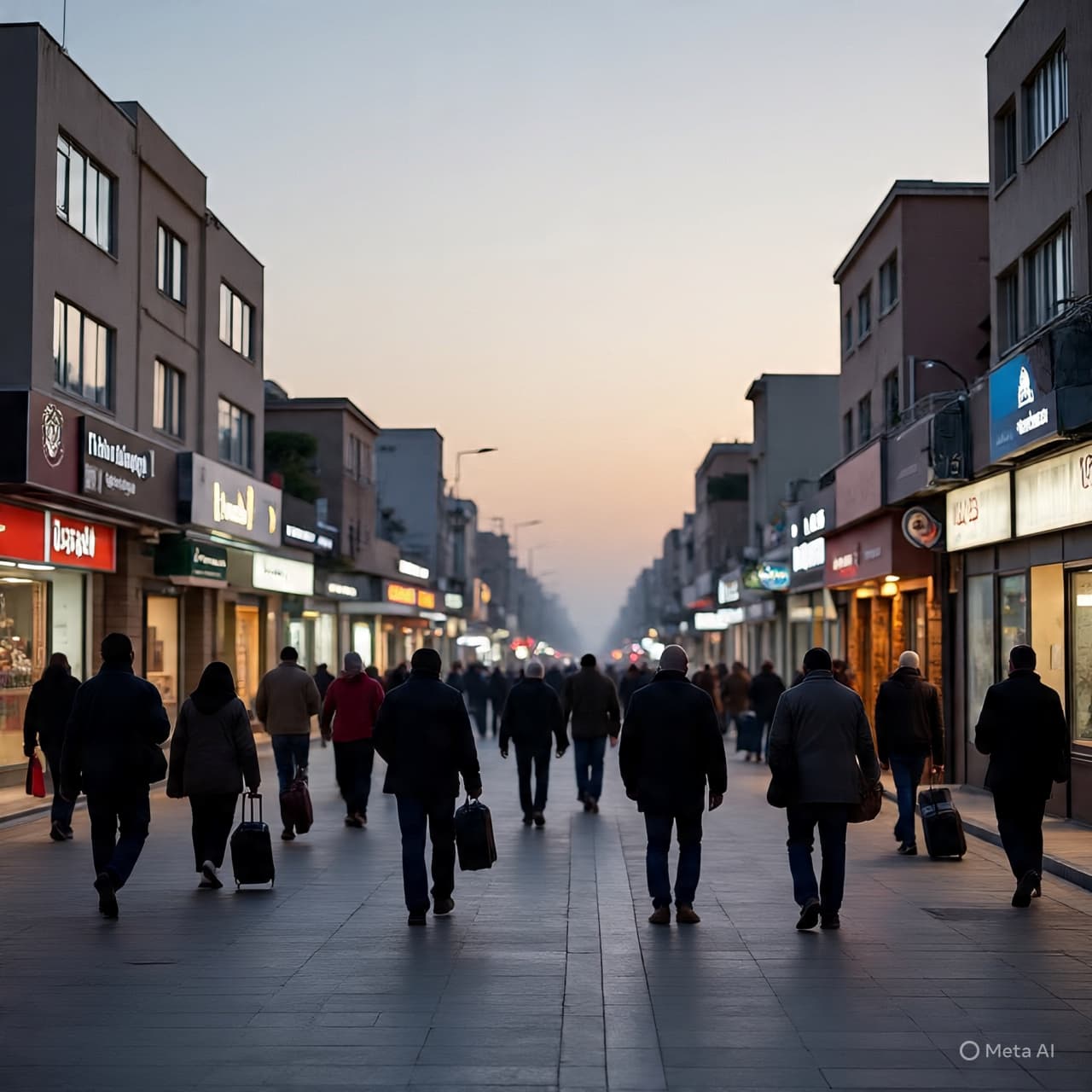
As the sun rises over Rafah, the atmosphere is charged with a mix of patience and hope. Caregivers accompany patients seeking treatment, while families reunite after long separations. Although limitations remain—such as caps on the number of travelers and stringent security measures—the simple act of movement is a powerful testament to the enduring spirit of the people in Gaza. It signifies that life continues, even in the face of adversity.
In this complex landscape, where borders have shifted and aspirations have been tested, the reopening of the Rafah crossing is a slender thread of possibility. It does not restore everything that has been lost, nor does it resolve the deep-seated conflicts that have shaped life in the region. However, it offers a pathway for movement, connection, and the gradual reclamation of agency for those who have long been confined by circumstance.
Published by Banx Network. This article is part of the Banx decentralized media programme, powered by the BXE token on the XRP Ledger.



