There are places where light fades long before the seafloor is reached, where the ocean deepens into a quiet that is both vast and undisturbed. In such spaces, life persists in forms that are not often seen from above, shaped by pressure, temperature, and time.
Off the coast of the Outer Hebrides, within these deeper waters, researchers have identified a rare deep-sea coral species, adding a new detail to the ecological portrait of this region. The discovery was made by scientists associated with Scottish Association for Marine Science, often referred to as SAMS, an institution known for its work in marine and environmental research.
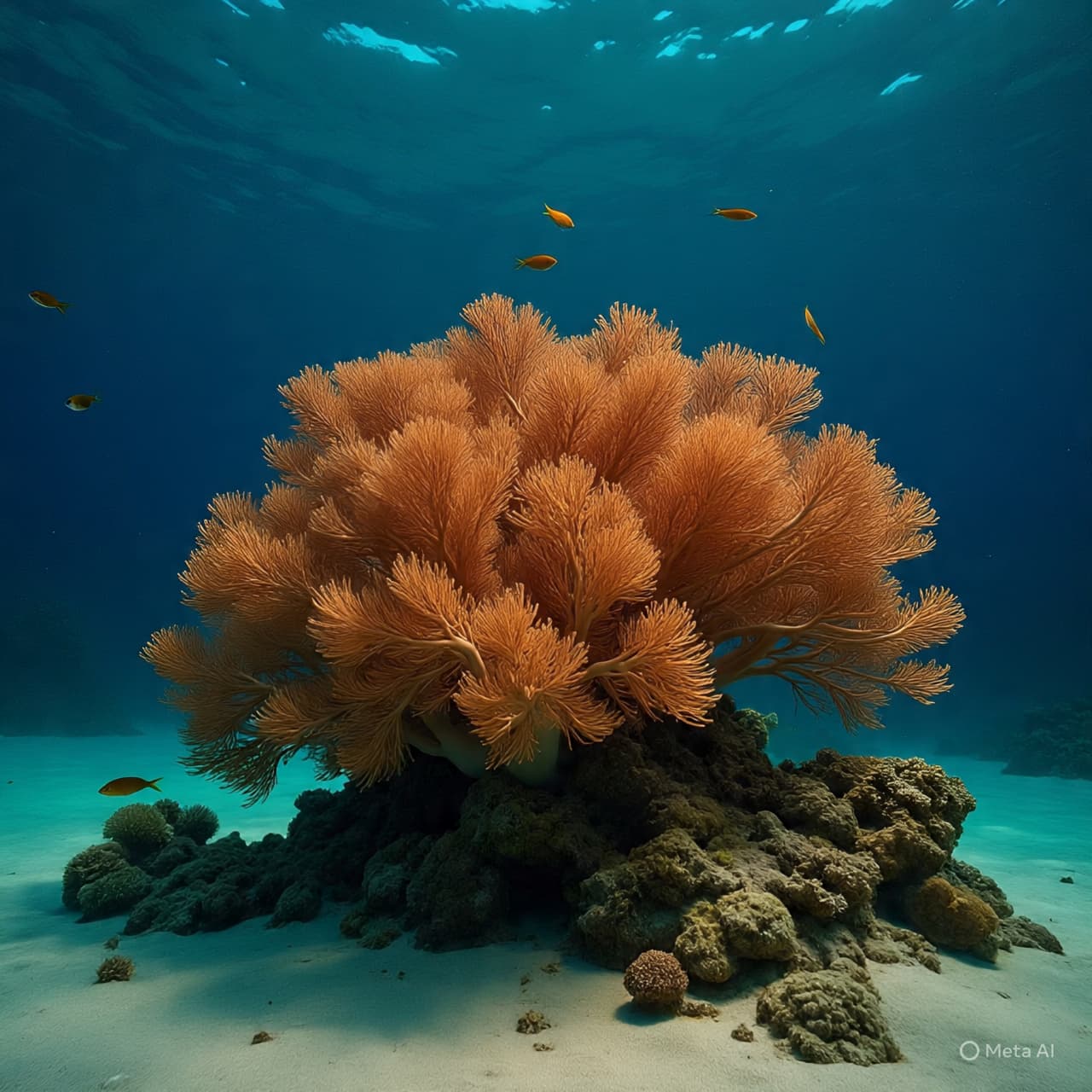
Deep-sea corals differ from their shallow-water counterparts in both form and function. Living without sunlight, they rely on the movement of ocean currents to bring nutrients, growing slowly over time in environments that can be both stable and extreme. Their structures often become part of the seafloor itself, providing habitats for a range of marine species.
The presence of such corals near the Outer Hebrides adds to an evolving understanding of the biodiversity that exists beneath these northern waters. Each discovery contributes to a broader mapping of life in regions that are still, in many ways, only partially explored.
The work of identifying and studying deep-sea species requires careful observation and specialized equipment. Remotely operated vehicles, imaging systems, and sampling tools allow scientists to observe the seafloor without disturbing its delicate balance. Through these methods, previously unseen species can be recorded, documented, and studied in their natural environment.
The Outer Hebrides, with their rugged coastlines and deep surrounding waters, provide conditions where such species may thrive. The underwater terrain, shaped over long periods, creates varied habitats that support different forms of marine life. In these depths, ecosystems develop slowly, often remaining stable for extended periods.
Discoveries like this one highlight the ongoing nature of marine exploration. Even in regions that have been studied for decades, new species continue to be identified, suggesting that the ocean still holds many layers of life yet to be fully understood.
For researchers, each finding contributes to a growing catalogue of marine biodiversity. It also informs conservation efforts, as understanding where species are located and how they interact with their environment can guide decisions about protection and management.
Deep-sea corals, in particular, can be sensitive to changes in their environment, including temperature shifts and human activity such as deep-sea fishing or resource extraction. Mapping their presence helps to establish baseline knowledge, which is essential for monitoring and preserving marine ecosystems over time.
The discovery near the Outer Hebrides is part of this broader effort to observe, record, and understand the living systems beneath the ocean’s surface. It is a reminder that even in familiar regions, the natural world continues to reveal new aspects of itself, shaped by the quiet persistence of life in the deep.
The Scottish Association for Marine Science reports the discovery of a rare deep-sea coral species near the Outer Hebrides, contributing to ongoing research into marine biodiversity and deep-sea ecosystems.
AI Image Disclaimer
Visuals are AI-generated and serve as conceptual representations.
Source Check: BBC News, Nature, The Guardian, Scientific American, National Geographic
Published by Banx Network. This article is part of the Banx decentralized media programme, powered by the BXE token on the XRP Ledger.