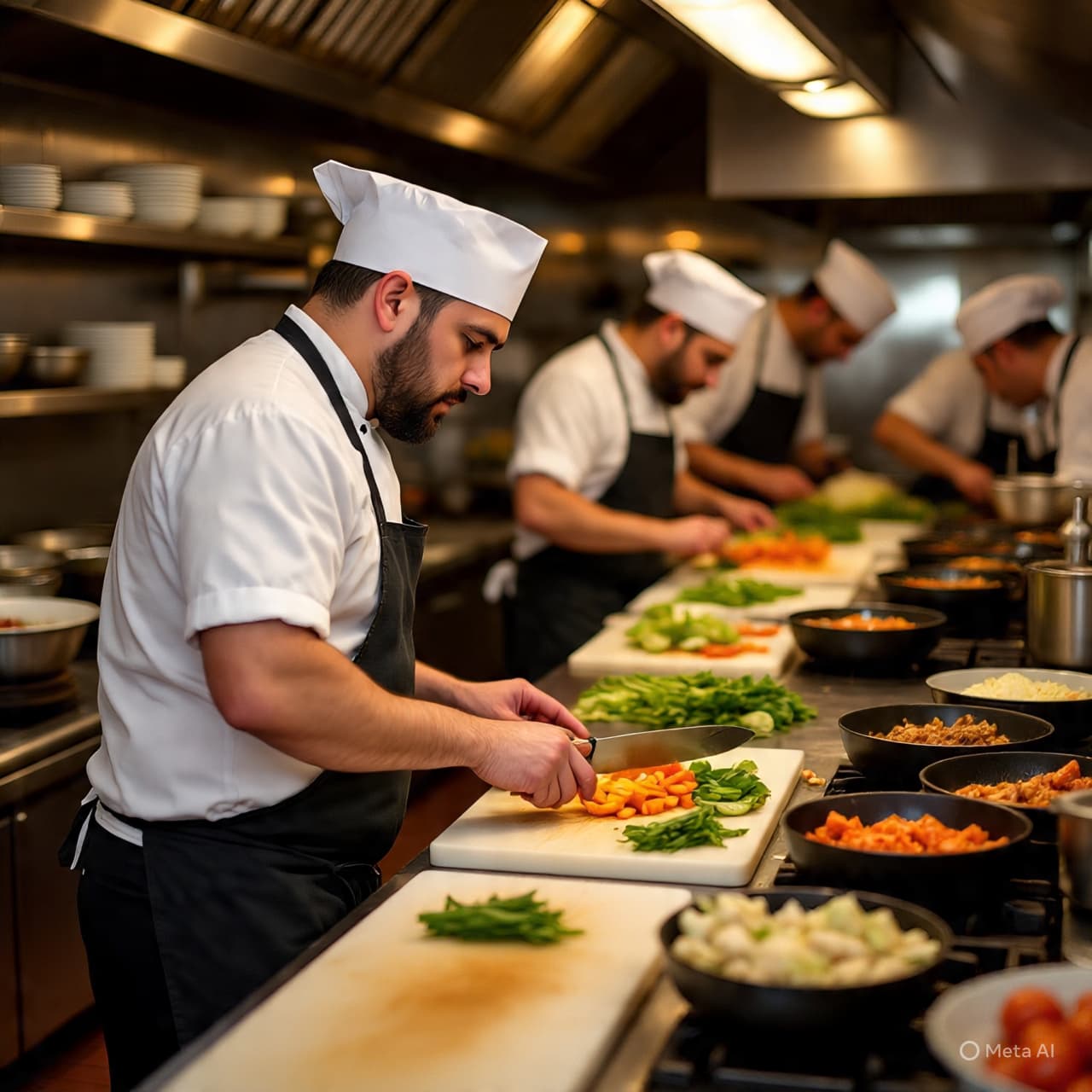
In the soft hum of a working kitchen, time does not move as it does elsewhere. It stretches, folds, and dissolves into the rhythm of orders called and answered, of flames rising and settling, of hands repeating the same motions until they no longer feel like motions at all. Behind the brightness of plated meals, there is often another current—quieter, less visible—where hours gather and weight accumulates.
In a restaurant in Lower Hutt, that quiet accumulation became something measurable. Over several years, two migrant workers moved through long days shaped by repetition and expectation. Their labor filled the spaces between opening and closing, sometimes extending to nine hours a day, six days a week. Yet the hours they gave did not always return to them in full.
Investigators later described a pattern—not sudden, not isolated, but steady. Wages were reduced below what had been earned. Deductions appeared where there should have been none. Payments, when they came, did not always match the time spent standing, preparing, serving. One worker, despite working close to 54 hours in a week, was compensated for significantly less.
There were smaller details too, the kind that settle into daily life almost unnoticed. A fixed deduction for food—$50 taken from pay, quietly, regularly. Adjustments made to hourly rates, not as recognition, but to meet the technical thresholds required for visa processes. The structure of employment became something both rigid and fragile, shaped not only by the demands of the workplace but by the conditions tied to staying within the country itself.
Across the span of their employment, the shortfall grew into something substantial. Tens of thousands of dollars in unpaid wages and entitlements—figures that, when written plainly, seem stark, but were likely experienced in smaller, quieter increments: a missing portion here, an unexplained deduction there. Over time, these fragments formed a larger absence.
Such patterns are not unfamiliar beyond a single kitchen or city. Reports from other regions have traced similar contours—long hours, reduced pay, obligations that blur the boundary between work and personal cost. In many cases, migrant workers, often tied to specific employers through visa conditions, find themselves navigating systems where mobility is limited and recourse feels distant.
In this instance, the quiet accumulation eventually met the steady mechanisms of oversight. An investigation by New Zealand’s Ministry of Business, Innovation and Employment brought the details into view, translating lived experience into findings, and findings into legal consequence. The restaurant company, unnamed in court proceedings, pleaded guilty to charges relating to the exploitation of the two workers.
There is a stillness in such outcomes, a sense of pause after prolonged motion. The kitchen, perhaps, continues as it always has—orders placed, meals prepared, doors opening and closing. But somewhere within that continuity, the record now holds what had once been obscured.
The company was fined $90,000 by the Wellington District Court and ordered to repay more than $72,000 in owed wages and entitlements. The case relates to the treatment of two migrant workers employed between 2017 and 2021. Authorities stated that employers are responsible for meeting all legal pay requirements and must not use immigration status to influence employment conditions.
AI Image Disclaimer
These images are AI-generated interpretations and do not depict real individuals or events.
Sources
1News The Guardian Fair Work Ombudsman Reuters The Jakarta Post
Published by Banx Network. This article is part of the Banx decentralized media programme, powered by the BXE token on the XRP Ledger.