
Key Highlights
- Legal Challenge:Pastor Dwayne Black faces potential fines for feeding the homeless in Daytona Beach.
- Community Impact:The case highlights the tension between municipal regulations and charitable efforts.
- National Attention:The financial stakes of up to $500,000 have drawn widespread interest and debate.
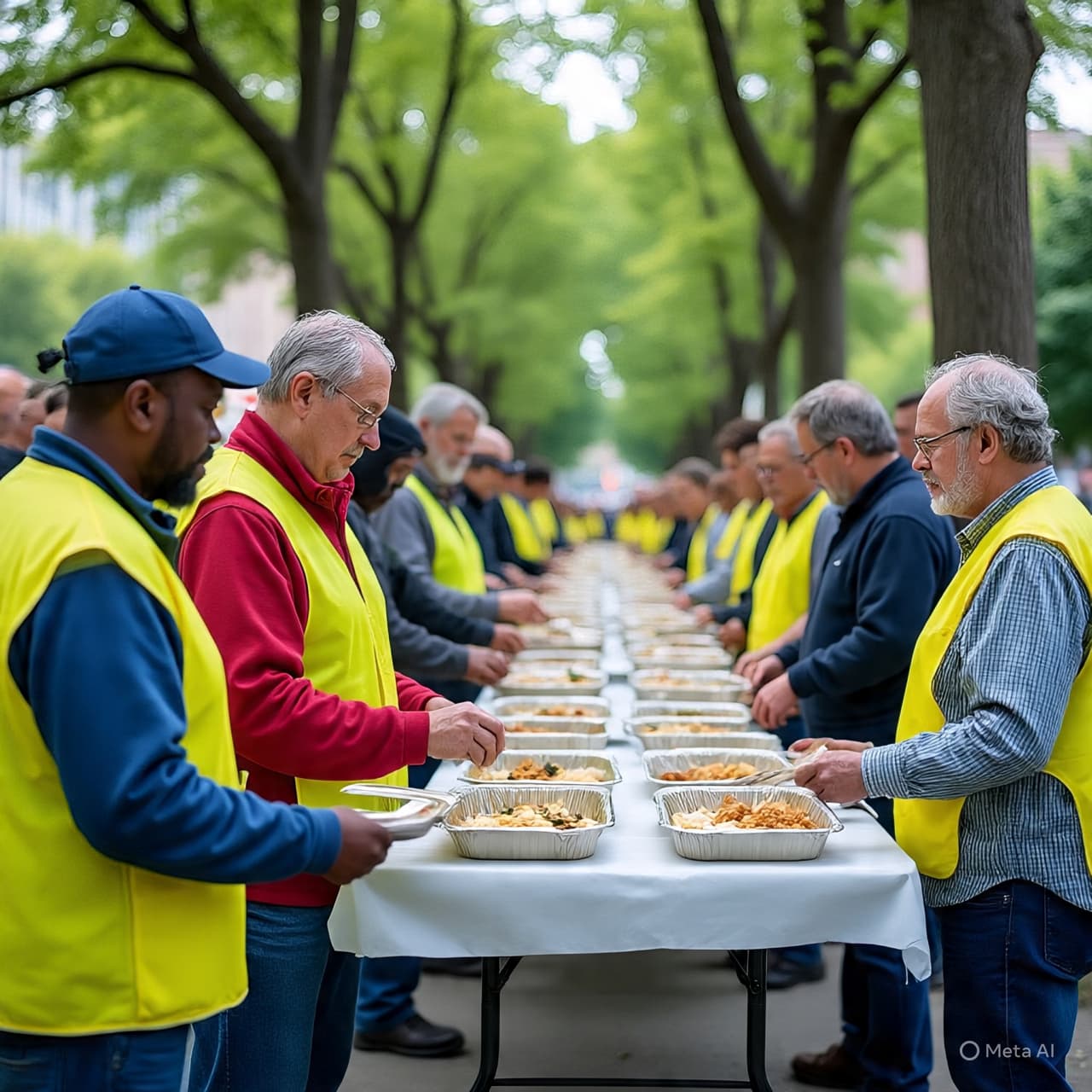
In many cities, the work of charity unfolds quietly — a table set up before sunrise, trays of food carried from a kitchen, and the slow gathering of people who know where a warm meal can be found. These small rituals often go unnoticed, but in Daytona Beach, Florida, they have sparked a significant legal battle that raises questions about compassion, community, and the law.
Pastor Dwayne Black of The Gathering Church has been at the center of this controversy, continuing to serve meals to homeless residents despite facing legal challenges from city officials. The city argues that Black's outreach program violates local regulations governing public food distribution, which are designed to address public health and safety concerns. These regulations require permits and impose location restrictions on food service activities conducted outside licensed facilities.
For Black and his supporters, the issue transcends logistics. They view the act of feeding the homeless as a fundamental expression of their faith and a vital part of their mission to serve those in need. They argue that such charitable efforts should not be constrained by municipal codes, emphasizing the moral imperative to provide food and support to vulnerable populations.
As the legal proceedings unfold, the financial implications have become increasingly significant. The city has indicated that penalties for alleged violations could total as much as $500,000, a figure that has garnered national attention and intensified the debate over how local governments regulate charitable activities. Advocates for homeless outreach programs argue that this case reflects a broader trend seen in many American cities, where rising homelessness prompts officials to impose regulations on public spaces, often at odds with the efforts of faith groups and volunteers.
The challenge lies in balancing order with compassion. For those who attend the church’s meal gatherings, the issue is straightforward: they seek food, conversation, and a moment of dignity in their often uncertain lives. Conversely, city officials maintain that regulations are necessary to ensure safety and order in public activities.
As the legal process continues, the future of these meal gatherings hangs in the balance. Will the act of sharing a meal in public spaces be allowed to continue as it has for years, or will it be forced to adapt to the constraints of regulation? Until a resolution is reached, volunteers will likely continue to set up tables at familiar corners, providing nourishment and companionship to those in need. In this ongoing dialogue between law and mercy, the community remains engaged in a critical conversation about how best to care for its most vulnerable members.
Published by Banx Network. This article is part of the Banx decentralized media programme, powered by the BXE token on the XRP Ledger.



