he road into Six Nations of the Grand River curves past fields and modest homes, a landscape that carries both memory and resilience. Court decisions, though handed down in distant chambers, ripple quickly through such places. This week, the echoes were particularly sharp.
A man from Six Nations, recently convicted of manslaughter, has reportedly threatened to kill again—words that surfaced in the wake of his conviction and now linger uneasily within the community. Authorities confirmed that the comments were taken seriously, prompting further legal scrutiny and heightened concern about public safety.
The original conviction stemmed from a fatal incident that had already drawn intense attention. Manslaughter, unlike murder, speaks to a killing without the premeditation that defines the gravest charge, yet the loss it leaves behind is no less permanent. Families on both sides of the case have been forced to navigate a justice process that moves deliberately, weighing evidence and intent in careful increments.
Now, the reported threat introduces a new layer. Law enforcement officials are assessing the circumstances under which the statement was made, determining whether additional charges or protective measures are warranted. Court-imposed conditions, monitoring requirements, and sentencing guidelines may come into sharper focus as authorities evaluate the risk posed by such remarks.
Community leaders within Six Nations have long emphasized healing and prevention, recognizing that violence leaves marks not only on individuals but on the collective sense of security. In close-knit communities, news travels swiftly—through conversations at community centers, across social media, and in quiet exchanges between neighbors.
Legal proceedings will continue within Ontario’s justice system, where the balance between accountability and rehabilitation is often tested. For residents, the immediate concern is safety and clarity: assurance that institutions are responsive, that threats are not dismissed as mere words.
As the story unfolds, the reserve returns to its daily rhythms—children walking to school, elders tending to routine tasks, families gathering in the evening. Yet beneath that steadiness runs a current of vigilance. Justice may render verdicts, but communities must still reckon with the aftermath, listening carefully for whether words fade—or signal something more.
AI Image Disclaimer
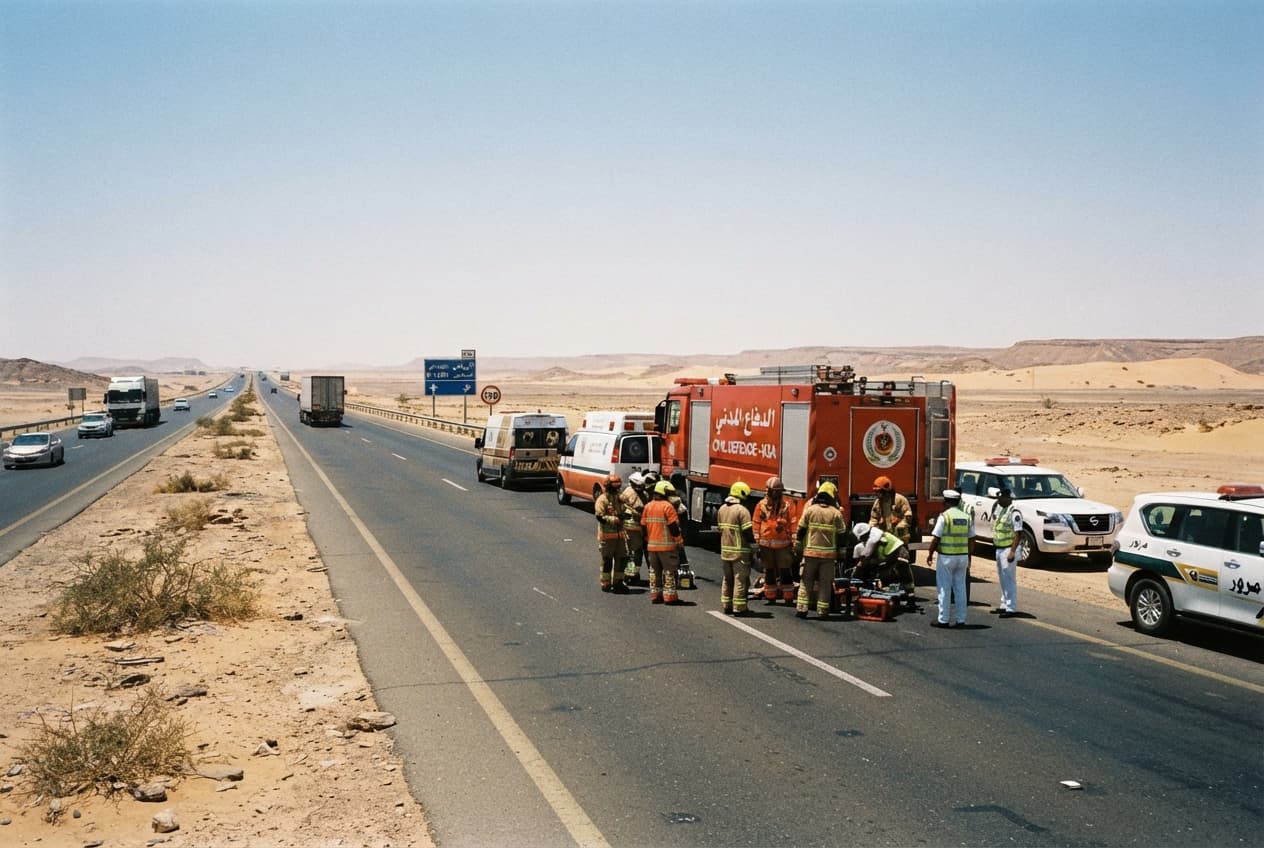
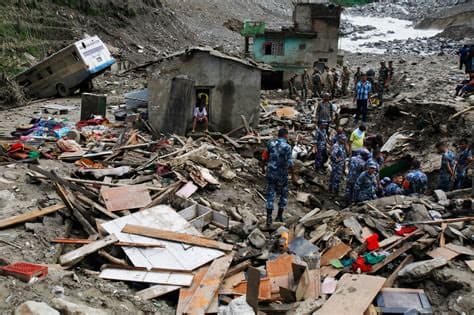
Illustrations are AI-generated and provided as visual representations, not actual photographs.
Sources
Ontario Provincial Police Brantford Expositor CBC News Six Nations Council
Published by Banx Network. This article is part of the Banx decentralized media programme, powered by the BXE token on the XRP Ledger.