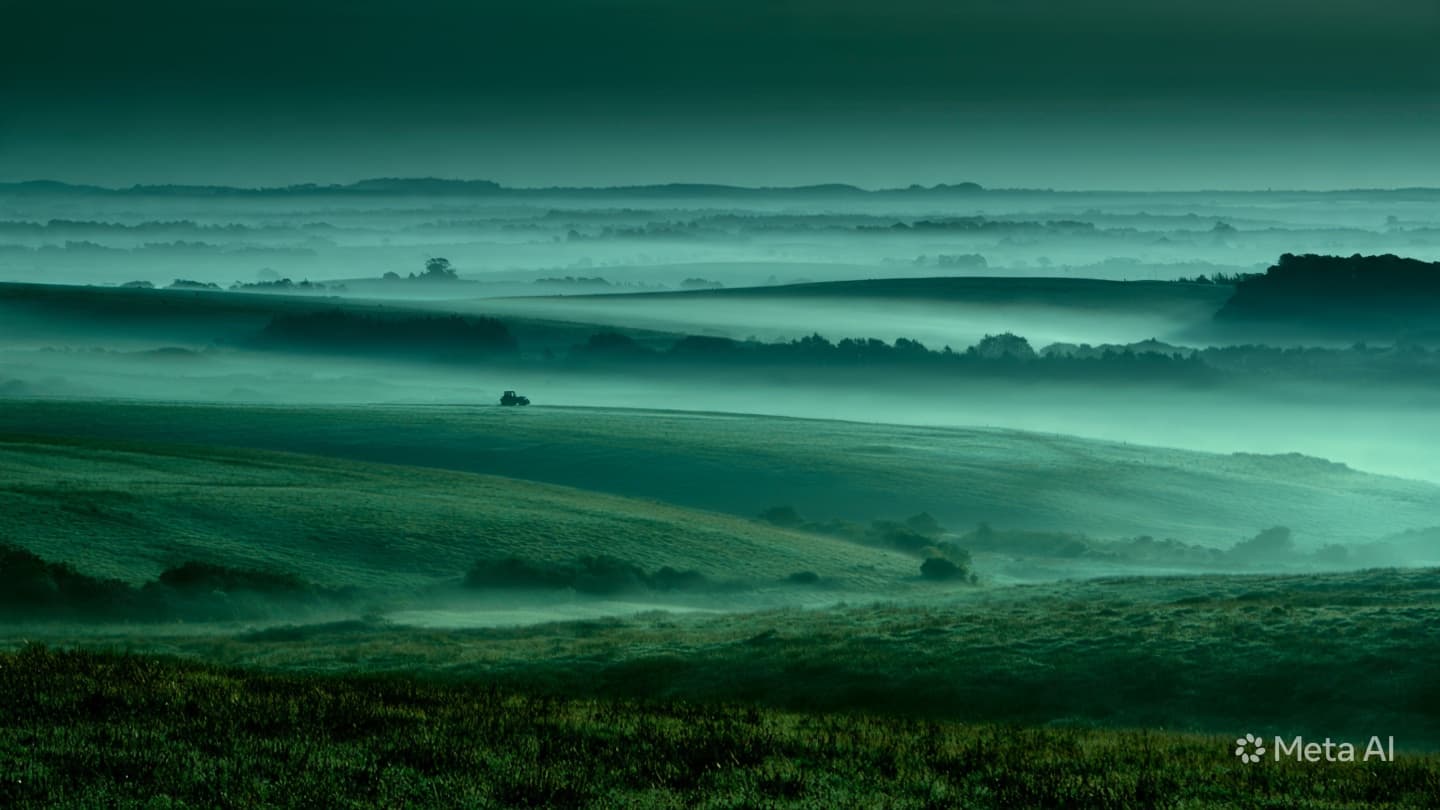
The fields of Galway are more than a backdrop; they are a working landscape, a testament to the endurance and deep connection between the people and the soil. Farming is a profession born of heritage and grit, a life defined by the rhythmic demands of the land and the heavy, constant presence of machinery. Yet, within this landscape of cultivation, there exists an inherent, silent danger—a reality that often remains in the background until the machinery, which sustains the life of the farm, turns against it.
When an accident occurs, the sudden silence that falls over the fields is profoundly disquieting. What was moments before a cacophony of work—the grind of engines, the clatter of steel, the singular focus of the harvest—is replaced by a heavy, demanding stillness. The landscape, which seemed to promise life and growth, becomes a site of sobering introspection, forcing all who labor there to confront the thin, precarious line between productivity and tragedy.
For the agricultural community, the incident acts as a powerful reminder of the risks that attend their daily craft. There is an unspoken understanding among those who work the land that the tools of their trade are both essential and unforgiving. When a life is cut short, it is not just an individual loss; it is a rupture in the continuity of the farm, a moment where the weight of the history and the labor feels suddenly, intensely heavy.
The response to such an event is marked by the quiet, dedicated efforts of neighbors and emergency responders who arrive to manage the crisis. Their presence in the field is a sign of communal solidarity, a shared recognition of the gravity of the event and the importance of supporting one another in the face of sudden loss. Their work is performed with a solemnity that honors the individual life and acknowledges the reality of the danger faced each day.
As the investigation into the mechanical failure unfolds, the community remains in a state of quiet reflection. It is a time for the neighborhood to pull together, to offer support to the family, and to honor the memory of the worker who contributed so much to the sustenance of the region. The tragedy serves as a catalyst for a deeper consideration of safety, a call for a renewed vigilance that respects both the land and the machinery that works it.
To look upon the fields now is to see them through a different lens, one that acknowledges the sacrifice that often underpins the agricultural life. The memory of the event lingers, a quiet, somber companion that informs the way the work is carried out moving forward. It is a testament to the resilience of the rural community that they continue, even in the wake of such profound loss, bound together by the land and the shared human experience.
The path forward for those affected is a slow, methodical journey of healing. It requires a patience that the land itself teaches, a steady, quiet endurance that defines the heart of the Galway countryside. As the work continues, it does so with a heightened sense of care, a renewed commitment to the safety of all who labor in the fields, and a profound respect for the fragile beauty of the life we lead upon the soil.
Authorities confirmed that a fatal farm machinery accident occurred in County Galway. Emergency services were dispatched to the site, but the individual was pronounced deceased at the scene. The Health and Safety Authority has been notified and has commenced a thorough investigation into the circumstances of the incident, including an examination of the machinery involved. The community has been deeply affected by the loss.
Published by Banx Network. This article is part of the Banx decentralized media programme, powered by the BXE token on the XRP Ledger.