
Key Highlights
- Incident:A significant chemical leak occurred at the Port of Rotterdam.
- Response:Emergency services swiftly mobilized to contain the leak.
- Safety Measures:Local authorities issued warnings to residents and workers.
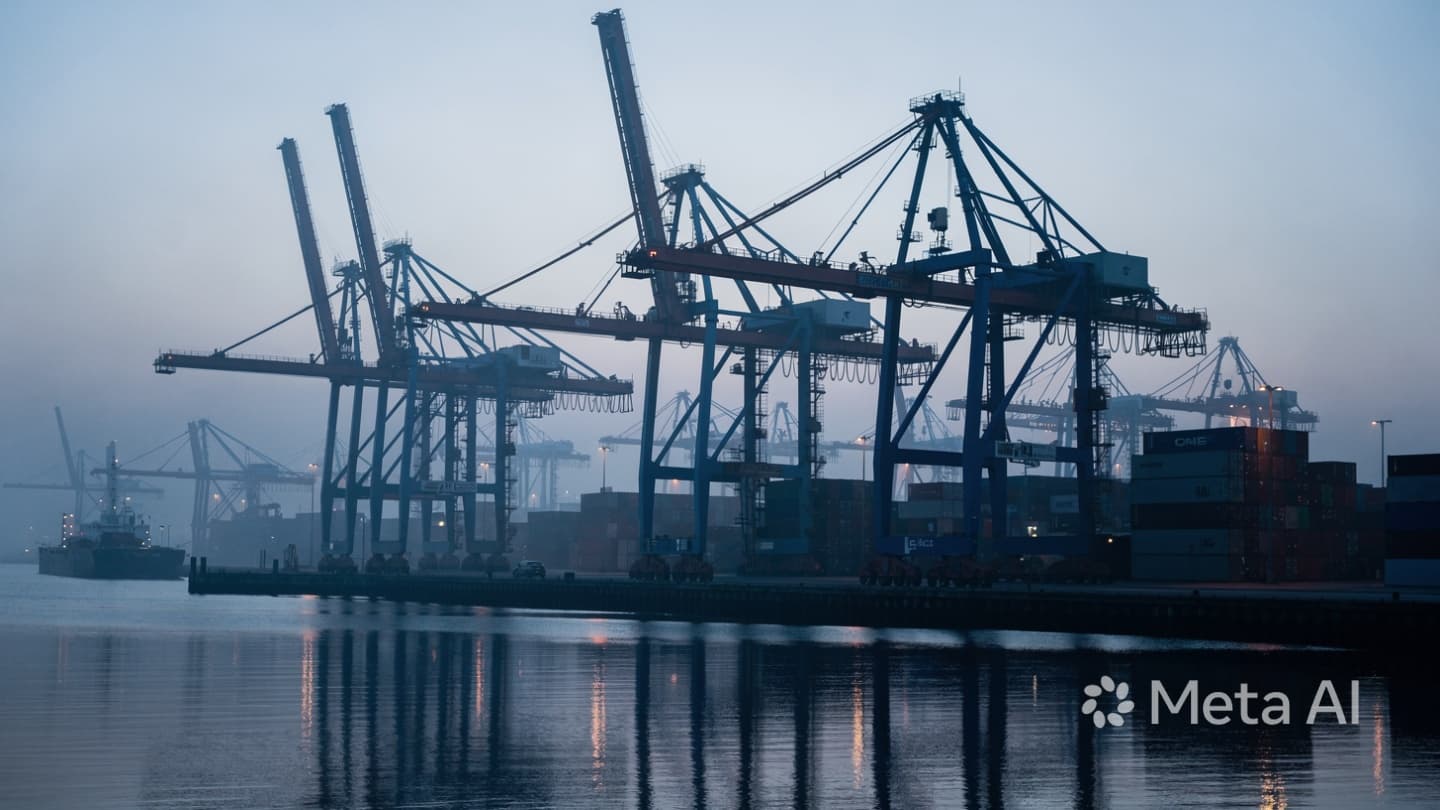
The Port of Rotterdam, a critical hub for European trade, was recently the site of a serious chemical leak that prompted an immediate response from emergency services. This incident unfolded on a day typically characterized by the bustling activity of cranes and cargo ships, but instead, it transformed into a scene of urgency and caution. The leak, which was detected in the afternoon, raised alarms not only for the port's operations but also for the safety of nearby residents.
As the leak was reported, the Rotterdam-Rijnmond safety region activated its emergency protocols, deploying specialized hazardous materials teams to the scene. These teams, equipped with protective gear, worked diligently to assess the situation and contain the chemical release. The Maasvlakte, an area of reclaimed land within the port, became a focal point for containment efforts, illustrating the delicate balance between industrial activity and public safety.
Local authorities issued directives for residents in the surrounding areas, advising them to stay indoors and seal their windows and vents. This precautionary measure highlighted the potential risks associated with chemical exposure, even when the threat is invisible. The community's response was one of collective anxiety, as families and workers awaited updates on the situation, their lives momentarily disrupted by the unforeseen hazard.
The containment operation involved meticulous planning and execution, as forensic and environmental teams entered the so-called 'hot zone' to identify the source of the leak. Their work was akin to that of deep-sea divers, requiring precision and expertise to navigate the complexities of hazardous materials. The teams faced the daunting task of neutralizing the chemical agent before it could spread further into the environment, a challenge that underscored the importance of safety protocols in industrial settings.
As the day progressed, the situation began to stabilize. Sensors indicated a return to baseline levels, and the immediate threat of the chemical leak diminished. Fortunately, there were no reports of serious injuries, a testament to the swift response and effective containment measures implemented by emergency services. However, the incident served as a stark reminder of the vulnerabilities inherent in large-scale industrial operations.
In the aftermath, an investigation will be launched to determine the cause of the leak, focusing on the integrity of the systems involved. This inquiry will examine the seals, pipes, and protocols that may have failed, seeking answers to prevent future occurrences. For the workers returning to their posts, the memory of the incident will linger, a reminder of the risks associated with their vital roles in maintaining the flow of goods through one of Europe's busiest ports.
By nightfall, the port began to return to its usual rhythm, with cranes resuming their operations under the glow of floodlights. The road closures were lifted, and the air once again carried the familiar scents of sea and industry. While the immediate crisis had been averted, the shadow of the chemical leak would remain a part of the port's narrative, a cautionary tale of the fragility that exists within the machinery of commerce.
Euronews has confirmed that emergency services in the Netherlands responded to a major chemical leak at the Port of Rotterdam, one of Europe's largest industrial hubs. Specialist hazardous materials teams were deployed to contain the release, which prompted local authorities to issue safety warnings to nearby residents and workers.
Published by Banx Network. This article is part of the Banx decentralized media programme, powered by the BXE token on the XRP Ledger.



