The industrial landscape of Glasgow is etched with the memory of labor, a city built upon the strength of iron, coal, and the persistent pulse of its people. To walk through these zones is to navigate the physical history of a region that has long defined itself through creation and craft. When the rhythmic hum of a factory is abruptly silenced by the violent intrusion of an explosion, the contrast between the expected flow of work and the sudden chaos of tragedy is absolute.
There is a visceral, haunting quality to an event that disrupts the structural integrity of a workplace. In the aftermath, the air feels heavy, thick with the weight of the unknown, as the familiar landmarks of production are transformed into sites of concern. The silence that settles after the roar of an blast is not peaceful; it is a profound, demanding stillness that pulls at the collective conscience of the surrounding city.
Workers, who spend their hours engaged in the essential tasks that keep the gears of the region turning, find their daily reality shifted in an instant. The camaraderie of the shop floor, usually marked by the steady exchange of tools and talk, is replaced by a shared vulnerability. It is a reminder that even in environments governed by protocol and safety, there exists a fragile margin between the planned and the unpredictable.
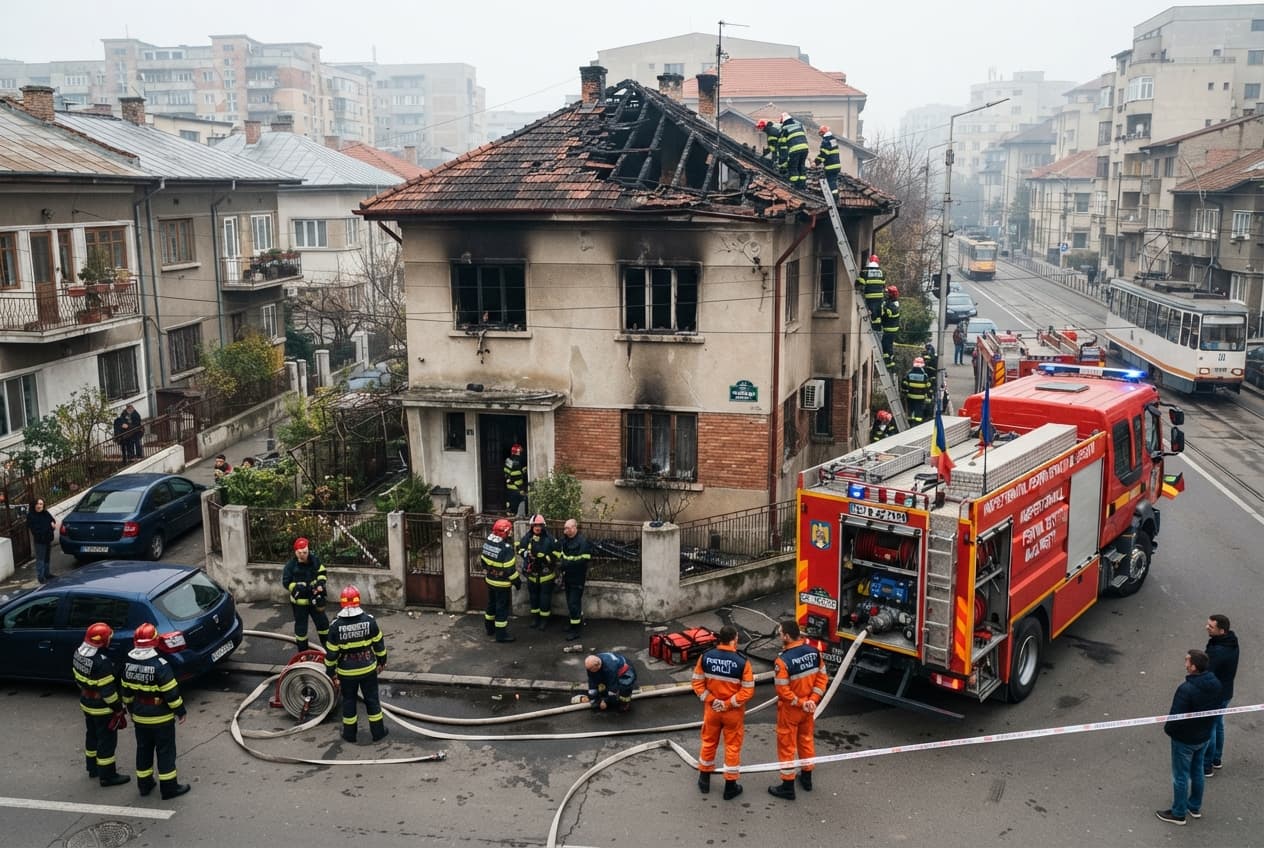
Emergency responders moved with a deliberate, practiced intensity to address the situation, their presence a beacon of order amidst the disarray. Every siren that pierced the morning air served as a reminder of the swift transition from domestic productivity to crisis. The labor of rescue—bringing stability to a place of sudden volatility—is a testament to the resilience of those tasked with protecting the well-being of the city’s inhabitants.
As the dust settles, those observing from the periphery are left to contemplate the human element of industry. We often view these structures as monolithic, impersonal entities, yet they are, in reality, containers for individual lives and aspirations. The injury of four individuals ripples outward, touching families and colleagues, and forcing a broader reflection on the inherent risks present within the pursuit of our collective economic life.
The city, known for its stoic endurance, holds its breath as the investigation proceeds. There is a quiet, collective hope that the injured find healing, and that the lessons learned from this rupture will serve to fortify the safety of those who continue the work. It is an iterative process, one that requires a careful look at the mechanisms of our modern world and the people who operate them each day.
To move forward, the community relies on the slow, methodical work of ensuring that such incidents remain the exception rather than the pattern. It requires a transparency that respects the gravity of the event while seeking the clarity necessary for change. The memory of the day will linger, etched into the narratives of those involved, as the city continues its long, enduring journey through time and transformation.
Authorities confirmed that an explosion occurred at a manufacturing facility in Glasgow. The event resulted in injuries to four individuals, who were promptly transported for medical treatment. Emergency services established a cordon to manage the site safely, and an investigation led by safety officials has been initiated to determine the precise cause of the blast. Further updates are expected as the inquiry progresses.
Published by Banx Network. This article is part of the Banx decentralized media programme, powered by the BXE token on the XRP Ledger.