Key Highlights
- Navi Mumbai's real estate market is experiencing significant growth in 2026.
- Key areas like Ulwe, Vashi, and Panvel are emerging as hotspots for investment.
- Infrastructure developments, including the new airport, are driving property values upward.
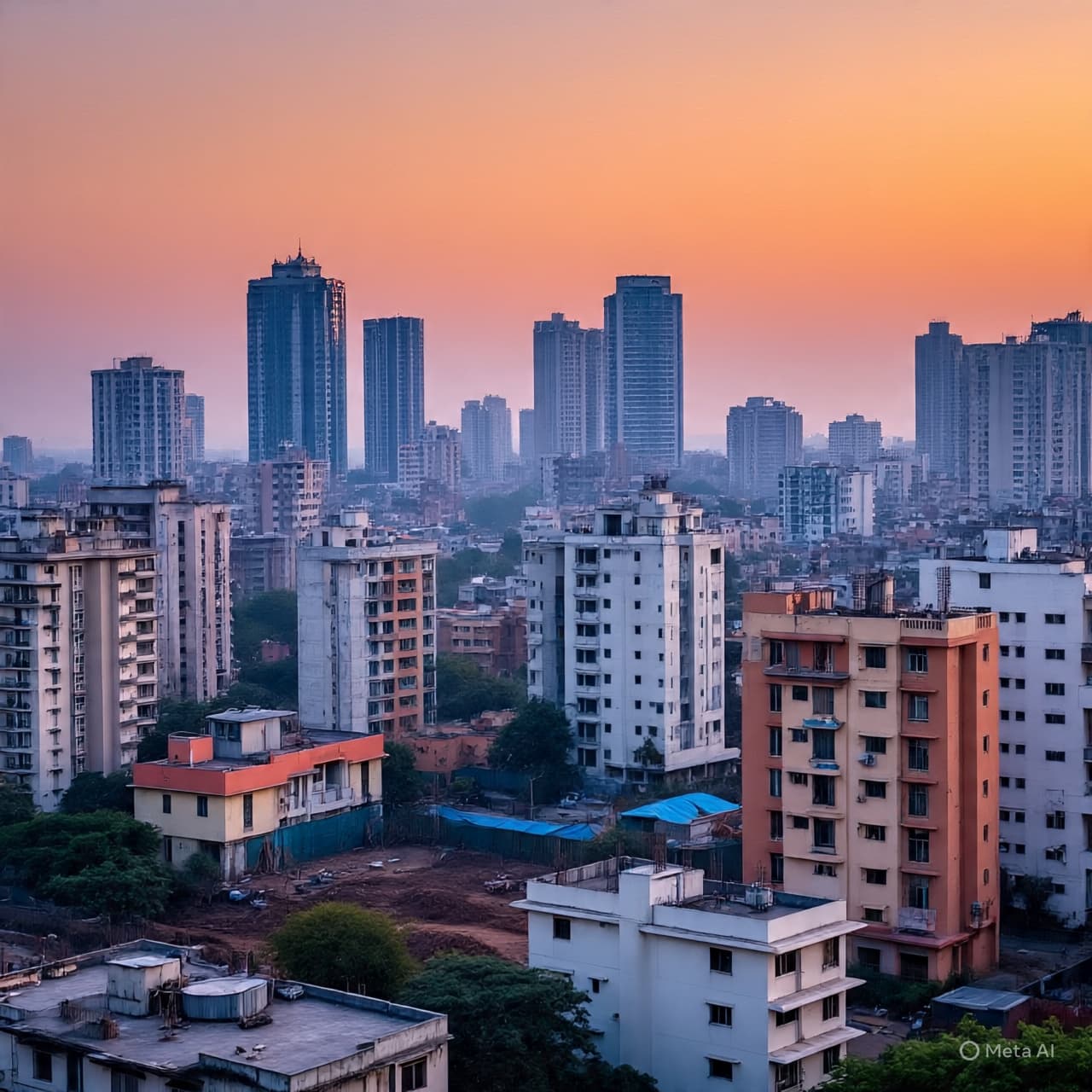
Navi Mumbai is transforming into a vibrant urban landscape, with its real estate market poised for substantial growth by 2026. The city, which lies adjacent to the bustling Mumbai Metropolitan Region, is witnessing a surge in property values and investment interest, driven by extensive infrastructure developments. The anticipated Navi Mumbai International Airport is a pivotal factor reshaping the city’s appeal, making it a focal point for both local and national investors.
In recent years, the average price of homes in Navi Mumbai has steadily increased, reflecting a growing confidence in the area as a residential and investment hub. This trend is not merely speculative; it is backed by tangible developments and a strategic vision for the city’s future. Investors are increasingly drawn to Navi Mumbai, recognizing its potential as one of India’s fastest-growing markets.
Among the neighborhoods leading this growth is Ulwe, which has become a prime location due to its proximity to the new airport and ongoing infrastructure projects. As connectivity improves with new transit nodes and major roads, Ulwe is emerging as a key area where daily life and future opportunities intersect. This makes it an attractive option for both homebuyers and investors looking for long-term value.
Vashi and Seawoods represent the more established segments of Navi Mumbai’s real estate market. These areas have developed into well-planned communities, characterized by thoughtful urban design and reliable services. Seawoods, in particular, has gained recognition as a premium residential area, with rising property prices reflecting its desirability among buyers.
Panvel, often seen as a gateway to the surrounding landscapes, offers a unique blend of affordability and accessibility. Its strategic location, with direct links to the Mumbai-Pune Expressway and the upcoming Mumbai Trans Harbour Link (MTHL), makes it a favored choice for first-time buyers and investors seeking value without compromising on connectivity.
Kharghar stands out for its balanced environment, combining urban connectivity with a serene atmosphere. The area is home to educational institutions and commercial centers, making it appealing to families and professionals alike. Additionally, Taloja and other peripheral areas are gaining traction as affordable options, attracting budget-conscious buyers and long-term planners eager to capitalize on Navi Mumbai’s expanding urban outreach.
In summary, Navi Mumbai’s real estate market in 2026 is characterized by robust growth and strategic hotspots that reflect enhanced connectivity and lifestyle improvements. Areas such as Ulwe, Vashi, Seawoods, Panvel, Kharghar, and Taloja are at the forefront of this transformation, driven by evolving infrastructure and demographic shifts that signal a promising future for the city.
Published by Banx Network. This article is part of the Banx decentralized media programme, powered by the BXE token on the XRP Ledger.