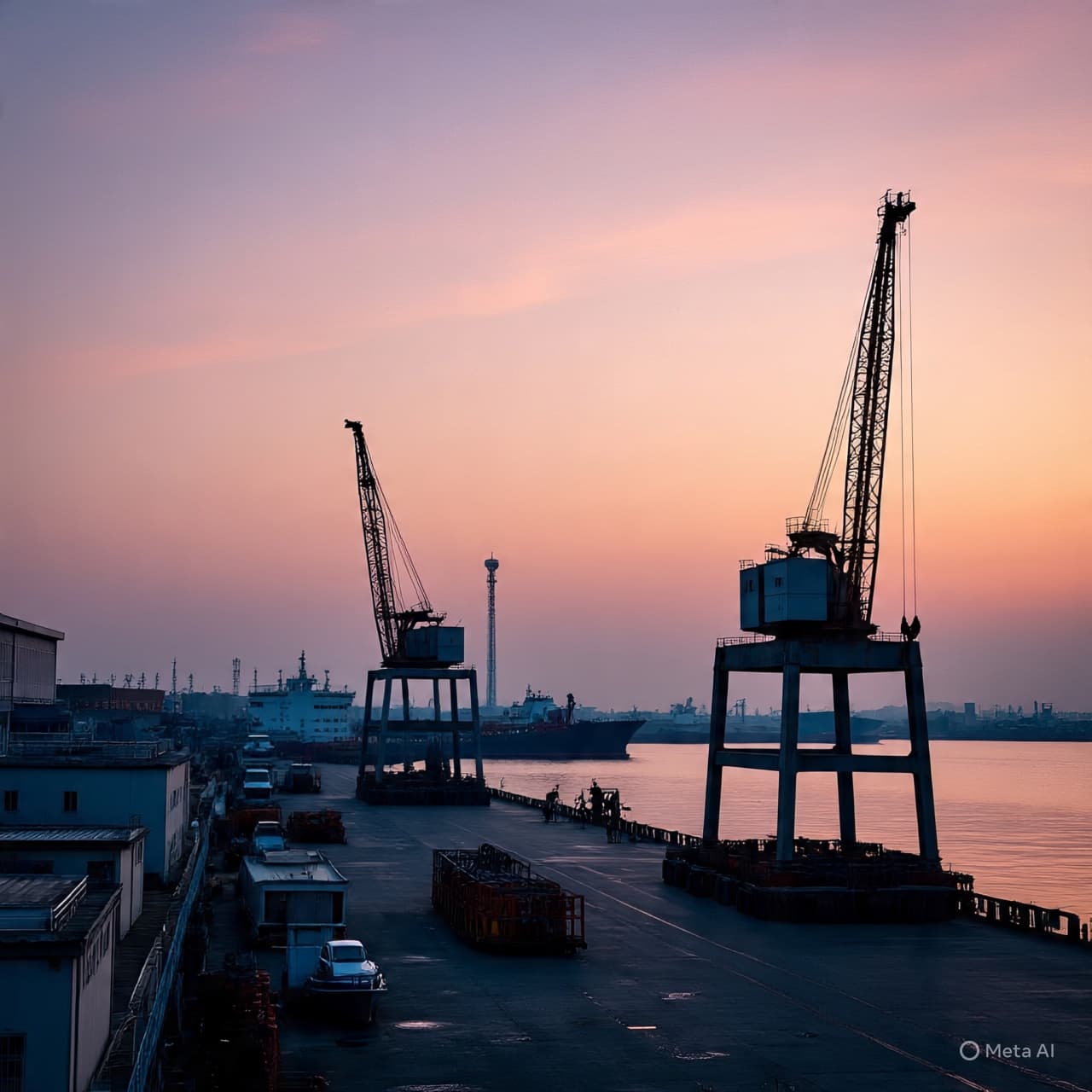
In the cool gray light of dawn, the narrow lanes of a bustling port city begin to hum with life: cargo cranes pivot toward the sea, early shouts of stevedores mingle with the distant pulse of container ships being guided into berth. For much of Asia, this rhythmic choreography of trade is the soundtrack of daily life — a music played against the backdrop of growth, industry, and the simple motion of goods moving from hand to hand. Yet beneath that bustling surface, a distant waterway thousands of miles away has cast a long and unexpected shadow.
Stretching like a slender ribbon between the Persian Gulf and the Gulf of Oman, the Strait of Hormuz is one of the world’s most vital maritime corridors. Through its narrow passage once flowed a staggering share of the globe’s crude oil and liquefied natural gas, the lifeblood fuelling factories and lighting homes across continents. But in recent weeks, that route has found itself at the confluence of deepening geopolitical tensions, and as disruptions persist, the effects are rippling across Asian economies with a quiet insistence.
For nations from Tokyo to New Delhi, Seoul to Jakarta, the Strait was more than a geographic line on a map; it was a dependable channel by which roughly 80% of the Gulf’s energy exports — crude oil and LNG alike — reached Asian shores. Now, with conflict in the Middle East tightening those flows and tanker traffic stalling or detouring, ports in Asia have felt the strain. India, which once brought in most of its gas and petroleum through this route, has seen shipments stall and tankers lie idle at anchor, prompting authorities to off‑load liquefied petroleum gas onto stranded vessels and ration supplies for essential needs.
In Tokyo, the rhythm of daily life has found an unusual counterpoint: the release of strategic oil reserves on a scale not seen in years, as officials seek to cushion refineries and households from the sudden squeeze on crude supplies. Japan — like many Asian states — has long looked overseas for the energy to power industry and mobility, and the present disruption has been a stark reminder of those long‑held dependencies.
And yet the effects are not confined to the docks and pipelines. Policymakers in New Delhi and Washington, separated by thousands of miles, have taken to telephone lines to underscore shared concerns about keeping the strait open, mindful that any prolonged blockade could deepen the shock to energy markets and the broader economy.
For ordinary people — the truck driver waiting at a petrol station queue, the factory manager watching fuel costs creep upward, the city commuter mindful of rising utility bills — these distant sea lanes are no longer abstractions. They are strands in the fabric of everyday life, woven through decisions large and small. As the sun sets on a day of container ships and refineries, there remains a quiet sense that the fortunes of Asia — long shaped by tides, trade winds, and geography — are inextricably bound to currents that flow far beyond its horizon.
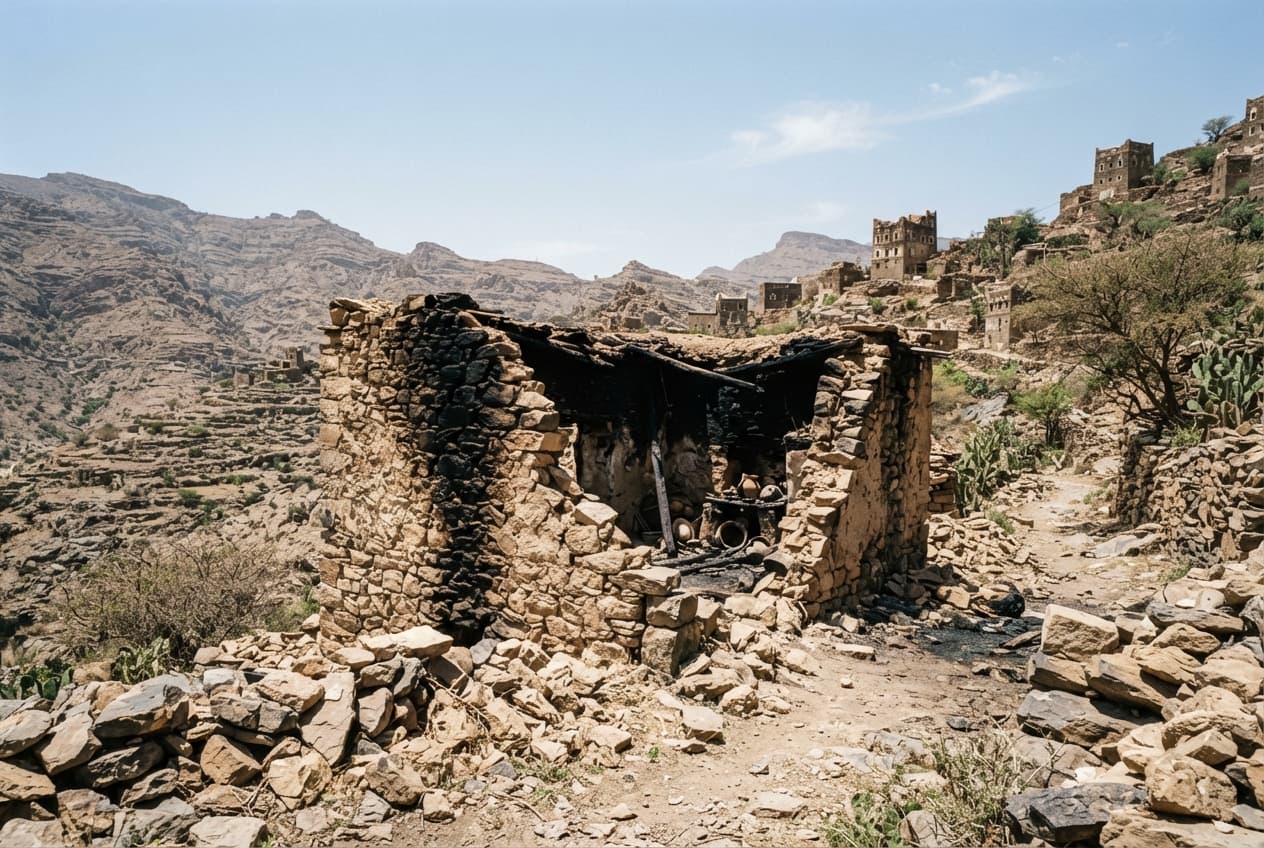
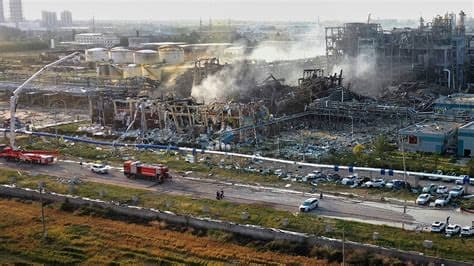
AI Image Disclaimer Visuals are AI‑generated and serve as conceptual representations.
Sources The Jerusalem Post Reuters The Guardian Bloomberg International Energy Agency reports
Published by Banx Network. This article is part of the Banx decentralized media programme, powered by the BXE token on the XRP Ledger.