
Key Highlights
- Energy Supply Disruption:Geopolitical tensions in the Strait of Hormuz are affecting energy supplies to Asia.
- Economic Impact:Countries like India and Japan are experiencing significant challenges due to stalled shipments.
- Global Concerns:Policymakers in New Delhi and Washington are collaborating to address the crisis.
The bustling port cities of Asia, from Tokyo to Jakarta, are witnessing a profound shift as geopolitical tensions in the Strait of Hormuz disrupt energy supplies. This vital maritime corridor, which has historically facilitated the flow of approximately 80% of the Gulf's energy exports, is now at the center of a crisis that threatens to ripple through the economies of the region.
The Strait of Hormuz, a narrow passage between the Persian Gulf and the Gulf of Oman, has long been a lifeline for Asian nations reliant on crude oil and liquefied natural gas (LNG). However, recent conflicts in the Middle East have led to significant disruptions in tanker traffic, causing delays and detours that have left ports across Asia feeling the strain. For instance, India, which has depended heavily on this route for its energy needs, is now grappling with stalled shipments and idle tankers, prompting authorities to take drastic measures such as rationing liquefied petroleum gas.
In Japan, the government has responded to the crisis by releasing strategic oil reserves, a move not seen in years. This action underscores the country's reliance on foreign energy sources and highlights the urgency of the situation. As refineries and households face a sudden squeeze on crude supplies, the Japanese government is working to mitigate the impact on its economy and daily life.
The ramifications of these disruptions extend beyond the immediate energy sector. Policymakers in New Delhi and Washington are engaged in discussions to address the situation, emphasizing the importance of keeping the Strait of Hormuz open. The potential for a prolonged blockade raises concerns about further shocks to energy markets and the broader economy, prompting international collaboration to navigate these challenges.
For ordinary citizens, the implications of these geopolitical tensions are becoming increasingly tangible. The truck driver waiting in line at a petrol station, the factory manager monitoring rising fuel costs, and the commuter facing higher utility bills are all experiencing the direct effects of a crisis that began thousands of miles away. The interconnectedness of global trade and energy supply chains has made these distant sea lanes critical to everyday life in Asia.
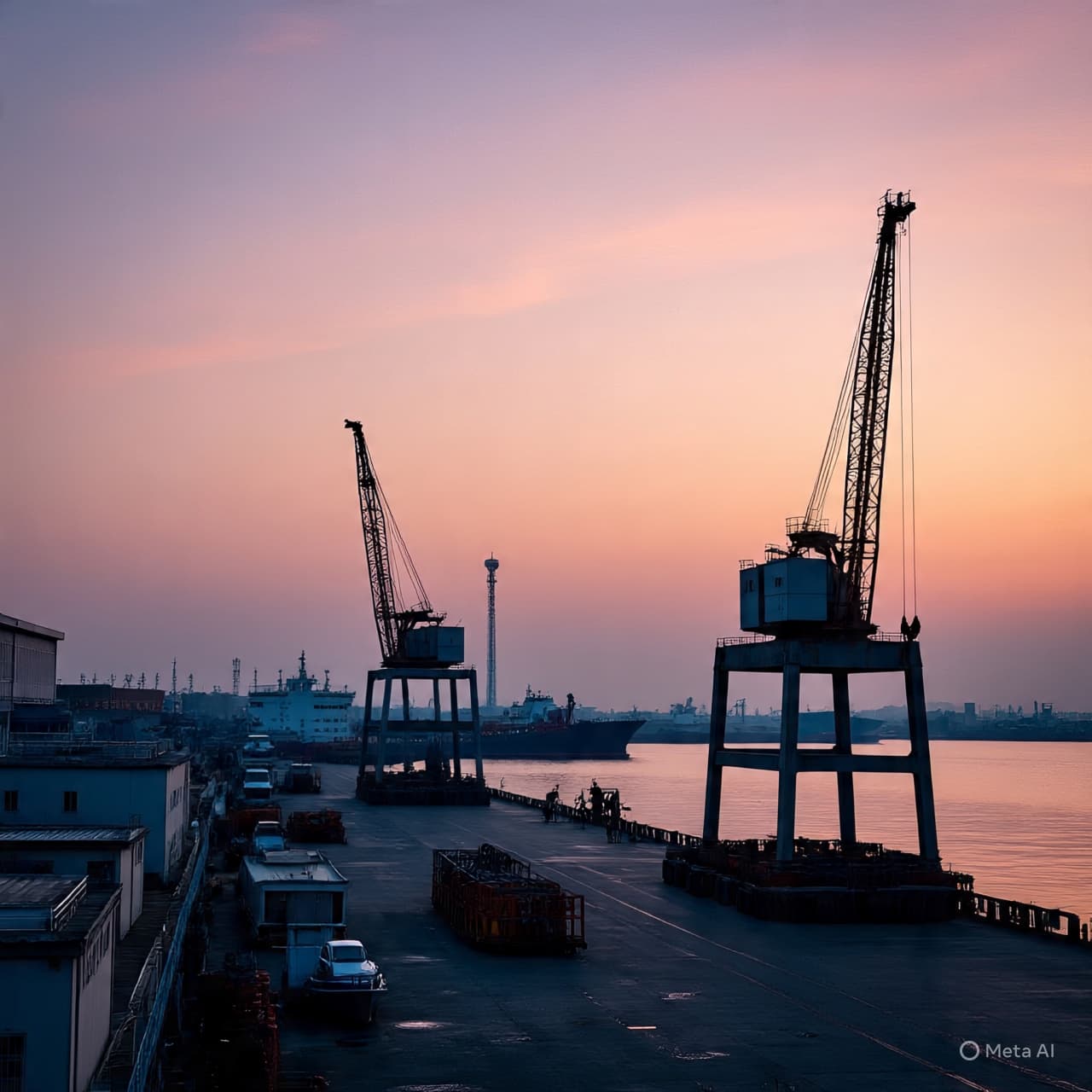
As the sun sets on another day of container ships and refineries, there is a growing awareness that the fortunes of Asia are intricately linked to the currents flowing beyond its horizon. The region's reliance on energy imports has never been more apparent, and the ongoing geopolitical tensions serve as a stark reminder of the vulnerabilities inherent in this dependence. The future of energy supply in Asia hangs in the balance, shaped by forces that extend far beyond its shores.
Published by Banx Network. This article is part of the Banx decentralized media programme, powered by the BXE token on the XRP Ledger.



