
Key Highlights
- Over one million people displaced in Lebanon due to recent conflict.
- Humanitarian organizations are struggling to meet growing needs.
- The ongoing crisis reflects a long-standing tension between Israel and Hezbollah.
The streets of Beirut are marked by a palpable tension as the city grapples with the aftermath of renewed conflict. In recent weeks, fighting between Hezbollah and Israel has escalated, resulting in the displacement of over one million individuals across Lebanon. This crisis, one of the largest internal displacements in the country’s history, has transformed the landscape of daily life, as families flee their homes in search of safety.
The displacement has unfolded gradually, akin to a tide that reshapes the shoreline. Villages in southern Lebanon, once vibrant with orchards and community life, have emptied as families pack their belongings and leave. Roads that were once bustling with daily commuters are now filled with vehicles carrying those seeking refuge. The uncertainty of their future looms large, as many are forced to abandon not just their homes but the familiar rhythms of their lives.
As the conflict intensifies, the sound of shelling has become a constant backdrop, altering the decisions of those who remain. The fear of violence has prompted many to leave their homes, while others are left grappling with the choice of whether to stay or go. The humanitarian response has been swift, with organizations mobilizing to provide shelter, food, and medical assistance. However, the scale of need continues to grow, stretching already limited resources thin.
The ongoing crisis is not merely a matter of physical displacement; it is also a profound disruption of lives and communities. The absence of familiar places and routines creates a temporal dislocation, where time feels altered for those affected. The emotional toll of leaving behind homes filled with memories is immeasurable, as individuals confront the reality of their new circumstances.
The broader context of the conflict reveals a long-standing tension between Israel and Hezbollah, with each escalation of violence carrying the potential for wider implications. Observers note that while diplomatic efforts are ongoing, the immediate reality remains one of movement and uncertainty. The displacement of people seeking safety continues to redefine the landscape of Lebanon, raising questions about the future stability of the region.
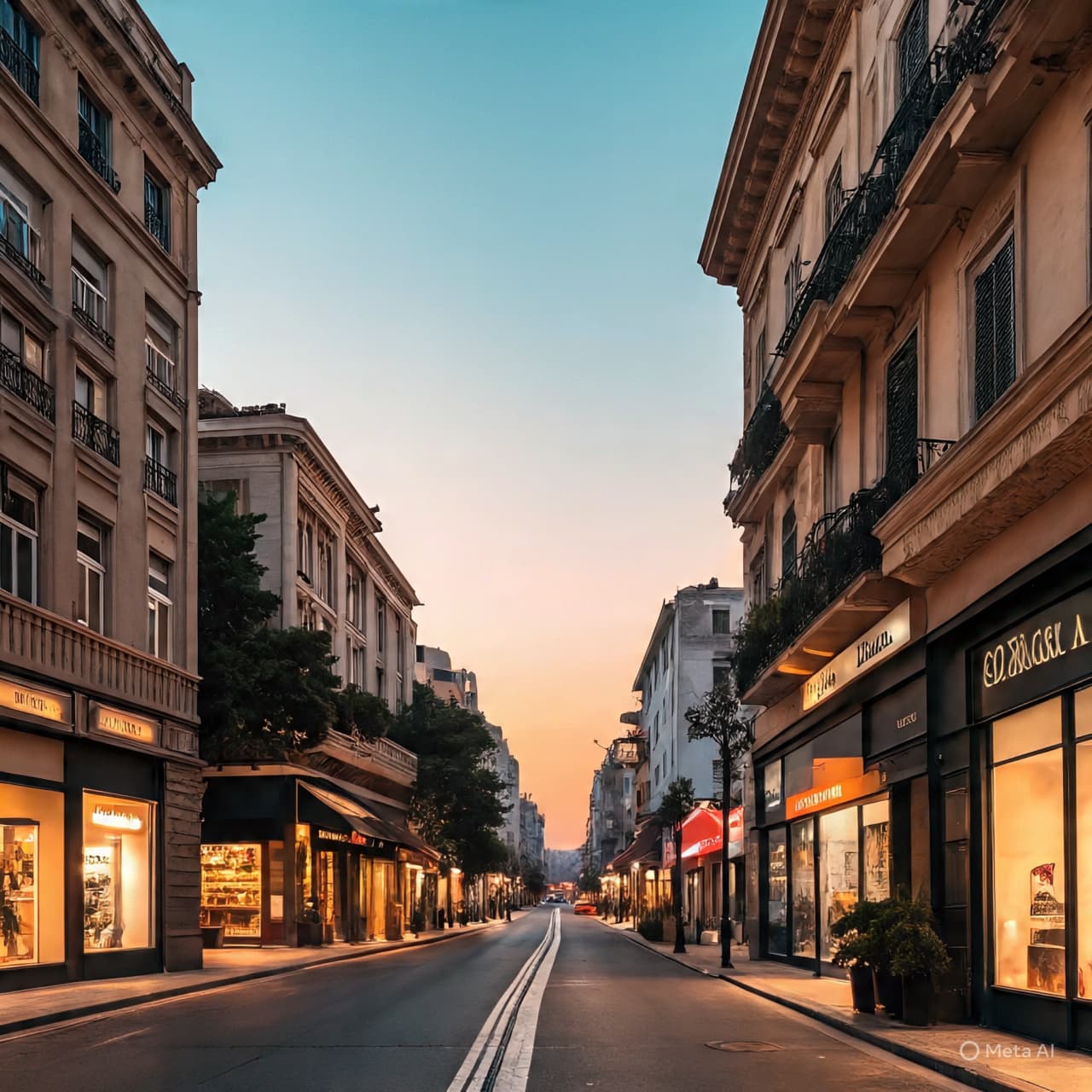
As evening falls over Beirut, the city attempts to reclaim a sense of normalcy. Lights flicker on, and conversations resume, yet an undercurrent of awareness persists. The paths taken by those displaced are shaped by necessity and hope, as they navigate a landscape forever altered by conflict. The quiet awareness of the ongoing crisis lingers, reminding all that the ground may appear still, but the reality is far more complex.
Published by Banx Network. This article is part of the Banx decentralized media programme, powered by the BXE token on the XRP Ledger.



