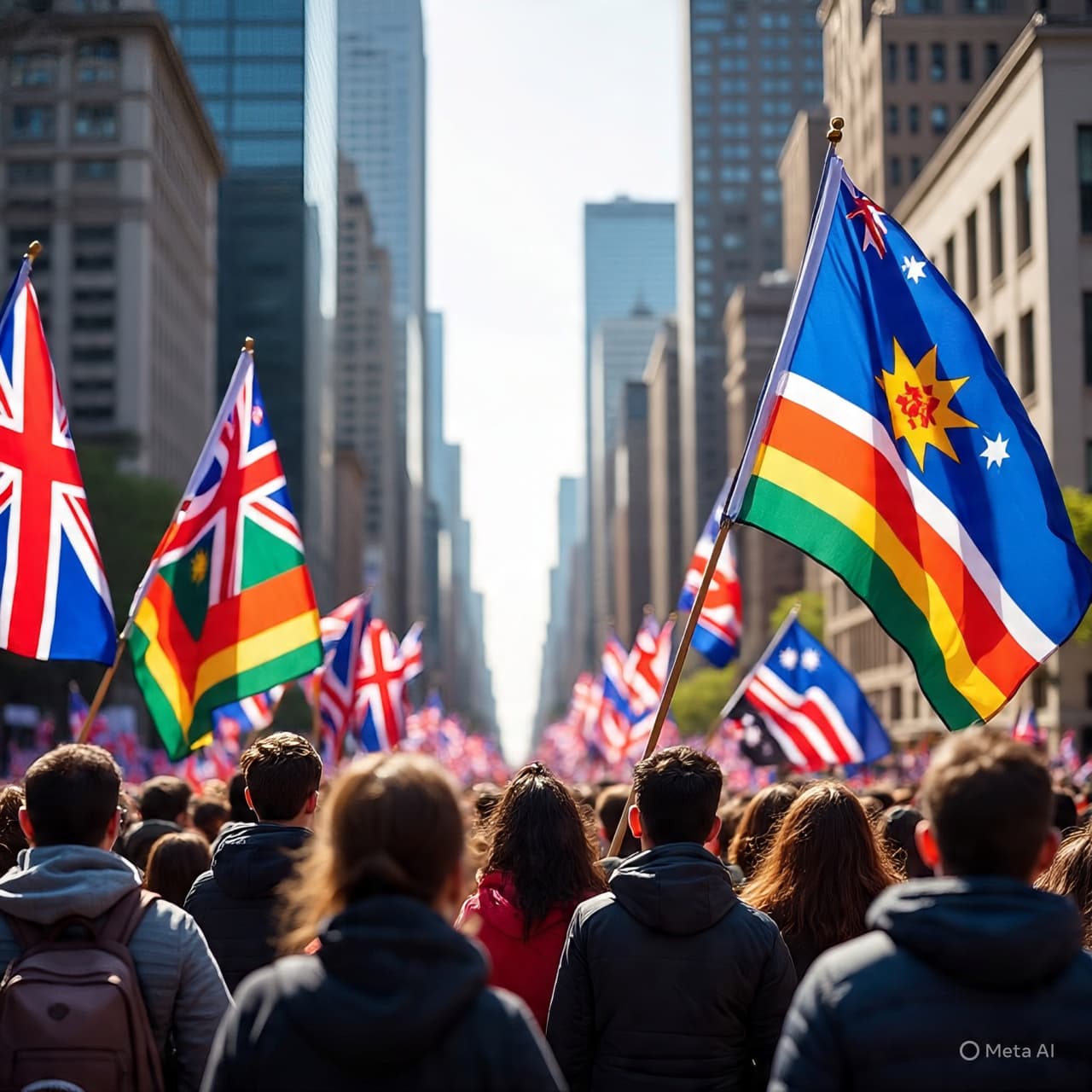
The city hums with anticipation as Melbourne awakens under a sky brushed with early summer light, a day that carries both celebration and reflection. Australia Day, often a moment of shared festivity, has become a canvas for voices that converge and diverge, each with stories to tell. In the heart of the city, authorities prepare for a gathering charged with both history and urgency—a delicate choreography of civic pride and civic conscience. On one side, Indigenous voices mark the day as Invasion Day, a quiet yet firm reminder of lives and cultures displaced. On the other, counter-protesters assert their vision of national identity, waving flags and affirming tradition. Between them, the city itself stands as witness, streets lined with officers, their presence both protective and symbolic, holding the fragile balance between freedom of expression and public safety.
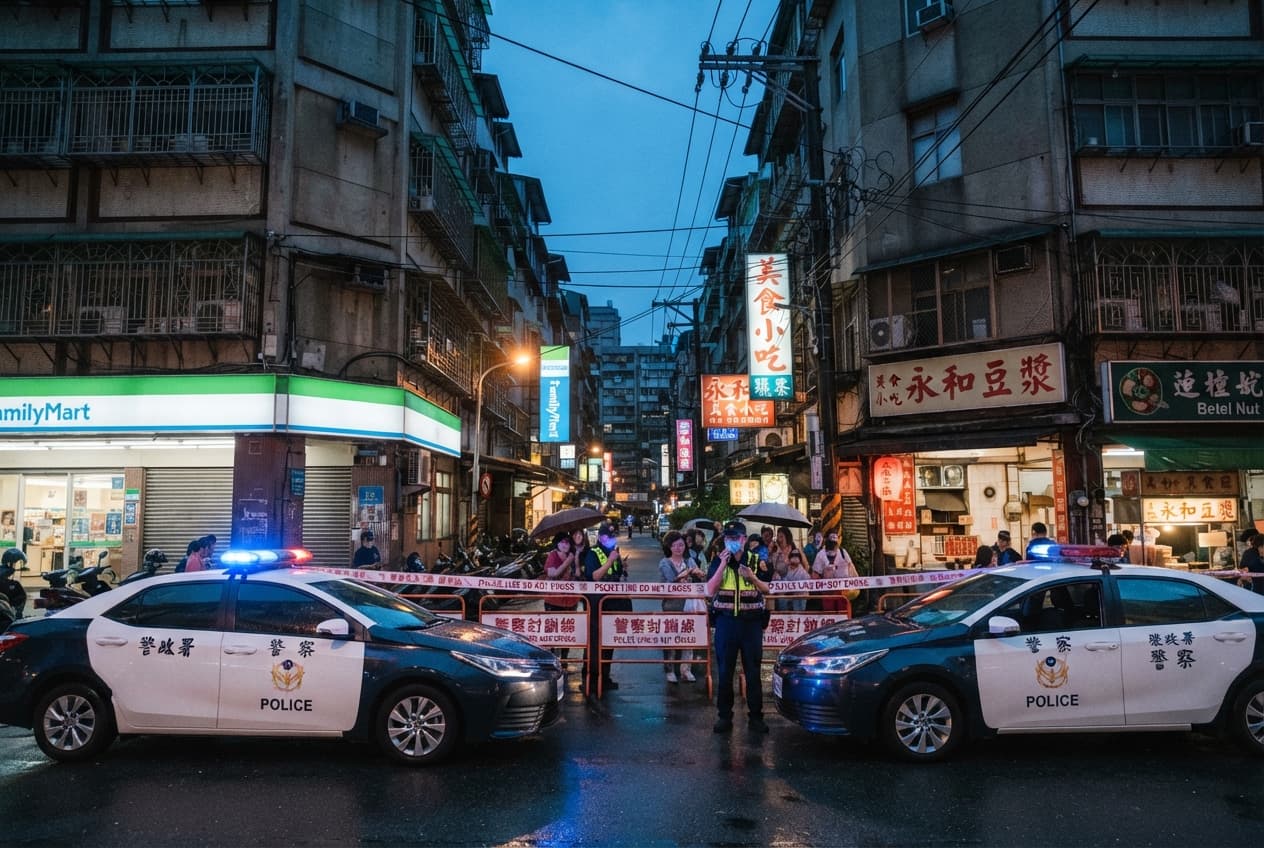
Melbourne’s CBD has become a stage where history and modernity intertwine. The Invasion Day rally speaks of resilience, of communities holding memory close, urging reflection on the past as the nation steps into its future. Chanting and banners ripple through the air, not in anger alone, but in a call for recognition, for understanding. Opposite them, the March for Australia counter-protest carries a different rhythm—a fervor for continuity, for patriotic expression, for asserting pride in symbols and identity. Police, attuned to this tension, move with quiet vigilance. Their uniformed presence, protective gear glinting under the sun, signals preparation without aggression. Traffic diversions, public advisories, and patrols are reminders that public spaces are shared yet contested, and that democracy often manifests in negotiation as much as in demonstration. Last year’s clashes linger in memory—small eruptions of confrontation that now guide a more measured orchestration.
Yet amidst the planning and precaution, there is a human texture to these gatherings. Families watching from the sidelines, journalists documenting the unfolding stories, and passersby navigating streets temporarily transformed into a theatre of civic expression—all participate in the unspoken dialogue of public life. The day is a mosaic of messages, from the solemn to the celebratory, each thread a reflection of contemporary Australia, layered, diverse, and unavoidably complex.
In clear terms, Melbourne braces for opposing Australia Day gatherings: Indigenous-led Invasion Day protestors seek acknowledgment of historical injustices, while nationalist counter-protesters emphasize patriotic celebration. Police have increased security, warned of potential disruptions, and are prepared to maintain order. The events illustrate a society negotiating its past and future, balancing commemoration with conscience, in streets that will soon return to their everyday rhythm. AI Image Disclaimer “Images in this article are AI-generated illustrations, meant for concept only.”
Sources Brisbane Times 9News Herald Sun news.com.au
Published by Banx Network. This article is part of the Banx decentralized media programme, powered by the BXE token on the XRP Ledger.