
Key Highlights
- New Fee:A €2 charge for visitors to access the Trevi Fountain's basin.
- Preservation Efforts:The fee aims to fund maintenance and manage crowds.
- Exemptions:Free access for locals, children under six, and visitors with disabilities.
In a significant move to manage tourism and preserve its cultural heritage, Rome has introduced a €2 ($2.35) fee for visitors wishing to step closer to the iconic Trevi Fountain. This change, implemented in early February 2023, allows tourists to descend the steps to the basin's edge, where they can toss coins and make wishes, a tradition that has drawn countless visitors to this historic site.
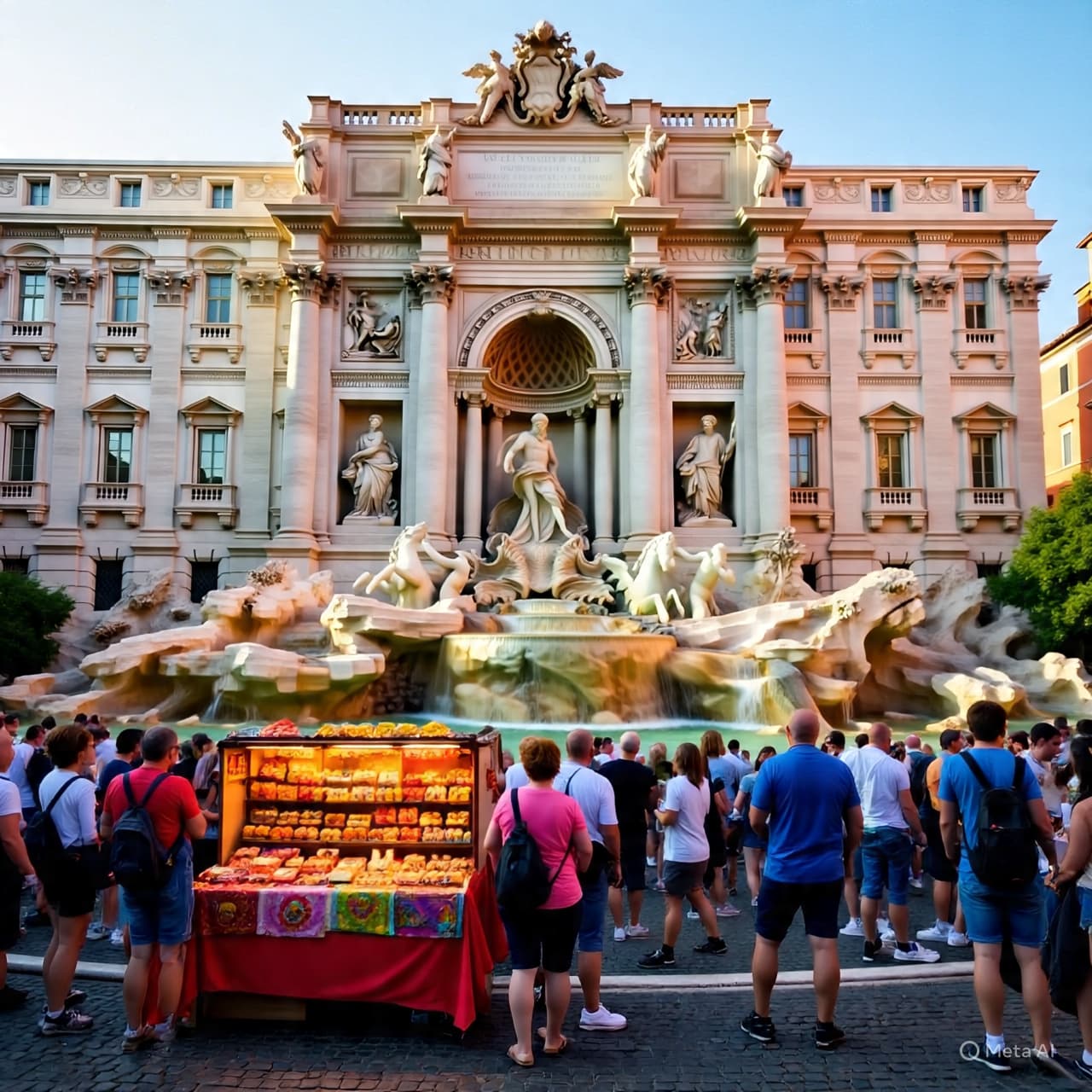
The decision to charge for access to the fountain's basin is part of a broader strategy by city officials to control the influx of tourists at popular landmarks. Rome's Trevi Fountain, known for its stunning Baroque architecture and the mythological figure of Oceanus, has long been a symbol of the Eternal City. The introduction of this fee is seen as a way to enhance the visitor experience while ensuring the preservation of the fountain, which has suffered from wear and tear due to the high volume of foot traffic.
Many visitors have reacted positively to the new fee, viewing it as a small price to pay for a more organized and less crowded experience. The fee is intended not only to maintain the fountain but also to support other cultural sites throughout the city. Rome's leaders emphasize that this initiative is not meant to deter visitors but rather to foster a more respectful and sustainable interaction with the city's rich history.
While the fee applies to those wishing to access the basin, the surrounding piazza remains open to the public at no cost. Visitors can still admire the grandeur of the fountain from a distance, enjoying the sight of its cascading waters and intricate sculptures without any charge. The city has also made provisions for exemptions, allowing free access for local residents, children under six, and individuals with disabilities, ensuring that the cultural heritage of the fountain remains accessible to all.
This new policy reflects a growing trend among major tourist destinations worldwide, where cities are increasingly implementing fees to manage visitor numbers and protect their historical sites. As Rome continues to welcome millions of tourists each year, the introduction of this fee at the Trevi Fountain represents a thoughtful approach to balancing tourism with the need for preservation.
As visitors flock to the fountain, many still carry coins in hand, ready to toss them into the waters while making wishes. The Trevi Fountain, with its enchanting beauty and rich history, continues to be a focal point of cultural significance in Rome, now accompanied by a new chapter that emphasizes the importance of stewardship and sustainability in the face of modern tourism demands.
Published by Banx Network. This article is part of the Banx decentralized media programme, powered by the BXE token on the XRP Ledger.



