
Key Highlights
- Greenland's size and location make it strategically significant.
- Climate change is transforming Arctic shipping routes.
- The island's natural resources attract global interest.
Greenland, often seen as a remote outpost, is increasingly becoming a focal point in global geopolitics. Its vast landmass, strategically located between North America and Europe, is drawing attention from world powers, particularly in light of climate change and shifting military dynamics. As the Arctic ice continues to recede, the island's significance is being re-evaluated, revealing layers of strategic, economic, and environmental implications.
The renewed interest in Greenland can be traced back to President Donald Trump's administration, which highlighted the territory's potential as a strategic asset. Maps illustrating Greenland's size compared to other regions emphasize its dominance in the Arctic, making it a key player in emerging shipping routes and northern flight paths. These visual representations underscore the island's importance in a rapidly changing geopolitical landscape.
Military considerations further enhance Greenland's relevance. The presence of U.S. military bases on the island plays a crucial role in early-warning systems and missile defense strategies. As great-power competition intensifies, particularly in the Arctic, Greenland's military significance becomes increasingly apparent. The island's geographical position allows for strategic monitoring of air and sea traffic, making it a critical component of national security calculations.
In addition to military strategy, Greenland is rich in natural resources, including rare earth elements essential for modern technology. As global supply chains become more strained, the island's mineral wealth is attracting economic interest from various nations. Graphics depicting Greenland's resource deposits illustrate why it is no longer viewed as an isolated territory but rather as a central player in the global economy.
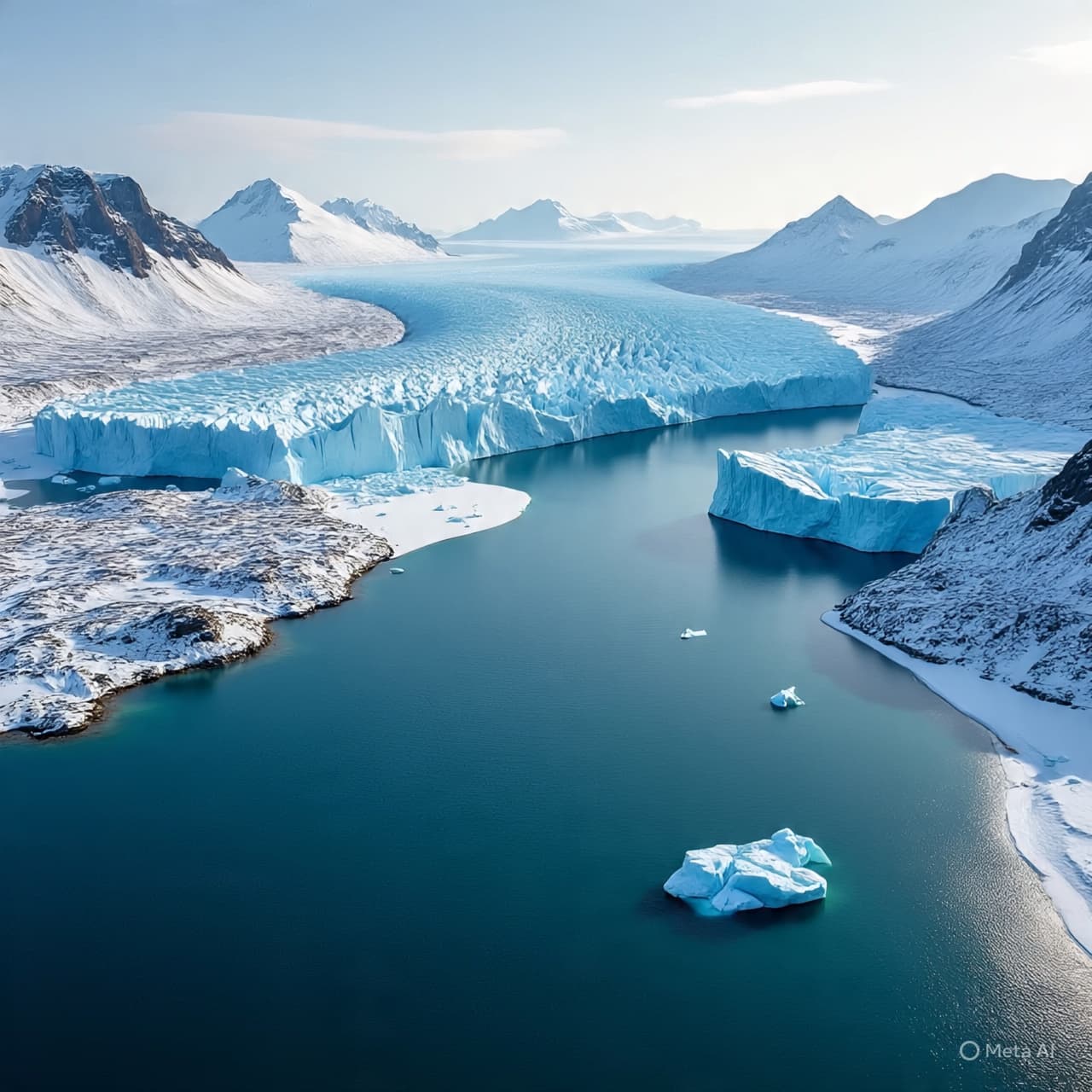
Climate change is another critical factor reshaping perceptions of Greenland. As ice melts, new shipping routes are opening, transforming the Arctic from a barrier into a corridor for trade. This environmental shift suggests a future where access to these routes will be paramount, influencing how nations prioritize their interests in the region. Policymakers are beginning to recognize that control over these emerging pathways will be vital for economic and strategic advantages.
Finally, Greenland's political status within the Kingdom of Denmark adds another layer of complexity. As the island navigates its path toward greater autonomy, it finds itself at the intersection of self-determination and external interests. Political charts illustrating this delicate balance highlight the challenges and opportunities Greenland faces as it attracts attention from global powers.
In summary, Greenland's size, strategic location, military relevance, natural resources, and the impact of climate change collectively explain its rising prominence in international discussions. The island is no longer merely a distant curiosity; it is a critical player in the evolving dynamics of global power, where geography, security, and resources converge with significant implications for the future.
Published by Banx Network. This article is part of the Banx decentralized media programme, powered by the BXE token on the XRP Ledger.



