
Key Highlights
- Case Overview:Kwok Yin-sang sentenced to eight months in prison.
- Legal Context:First conviction of a family member under national security law.
- Political Implications:Concerns raised by human rights groups regarding the ruling.
In the soft glow of late winter sunlight along Hong Kong’s Victoria Harbour, the city’s echoes of peaceful rallies and distant protest chants seem to linger like memories in fog. Amid that quiet comes an unusual legal moment — a case where familial bonds and civic struggle intersect in ways few might have foreseen. A father, well into his sixties, walked into a magistrate’s courtroom carrying not headlines or slogans, but the simple human impulse to care for a child he raised. In a place where legal language often feels as distant as the seabirds overhead, the judge’s gavel spoke instead about national protection, boundaries, and laws that shape public life. Here, in the corridors of justice, the ordinary act of managing financial affairs became entangled with broader questions of law, loyalty, and identity. In this city of towering glass and woven histories, a single case now asks its own quiet question: how do the threads of family and state law coexist when the world watches?
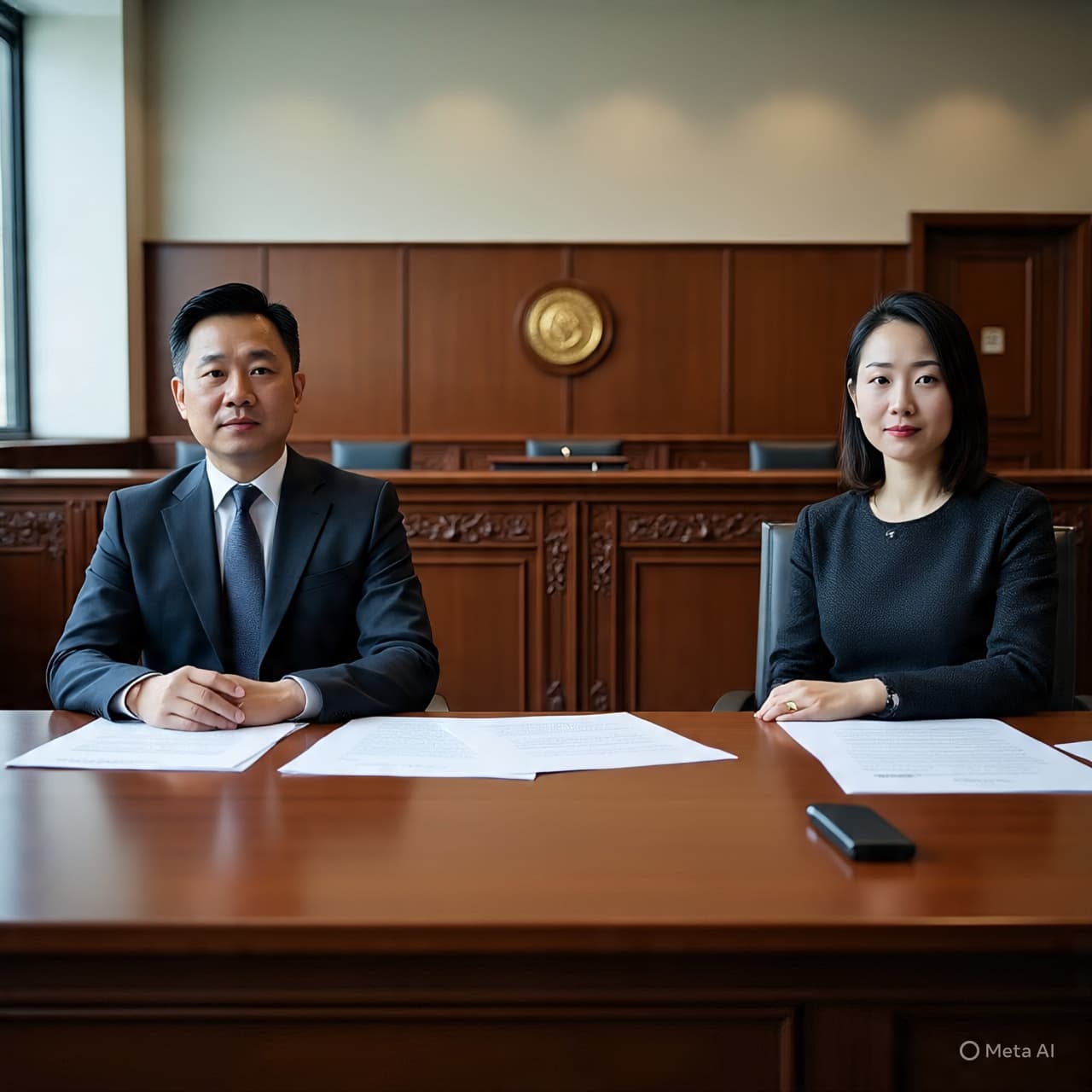
On February 26, 2026, a Hong Kong court sentenced Kwok Yin-sang, a 69-year-old father, to eight months in prison after finding him guilty of handling financial assets under the city’s national security law. This conviction is particularly significant as it marks the first time a family member has been prosecuted under these provisions. The case centers around Kwok's attempt to withdraw money from an insurance policy he had taken out decades earlier for his daughter, Anna Kwok, a pro-democracy advocate currently residing in the United States.
Anna Kwok is among numerous activists labeled as wanted under Article 23 legislation, a law designed to safeguard national security. Hong Kong authorities have issued substantial rewards for information leading to her arrest, and they have prohibited anyone from managing her financial assets. The prosecution argued that Kwok's actions constituted handling the financial resources of an “absconder,” a term used for individuals accused of national security offenses who live abroad.
Magistrate Andy Cheng emphasized in court that the case was not about family ties, but about the legal framework of the security law itself. However, for many observers, the image of a parent facing prison over a financial matter intended as a safety net for a child evokes more than just legal text. Human rights organizations, including Human Rights Watch, have expressed deep concern over the ruling, labeling it a “grim milestone” in the application of the national security law.
In response to the conviction, Anna Kwok condemned the ruling, describing it as “guilt by blood” and a form of “transnational repression.” Her comments highlight how personal actions can carry significant political ramifications in a climate of legal and civic tension. The case has sparked discussions about the implications of the national security law on familial relationships and individual rights.
Kwok Yin-sang's conviction raises critical questions about the intersection of family and state law in Hong Kong. As the city navigates its complex legal landscape, the ramifications of this case may extend far beyond the courtroom, influencing how families interact with the law in an increasingly restrictive environment. The ruling serves as a stark reminder of the challenges faced by those who dare to support pro-democracy movements in Hong Kong, as well as the potential consequences for their loved ones.
As the world watches, the case of Kwok Yin-sang stands as a poignant example of the delicate balance between familial duty and legal obligation in a city grappling with its identity and future.
Published by Banx Network. This article is part of the Banx decentralized media programme, powered by the BXE token on the XRP Ledger.



