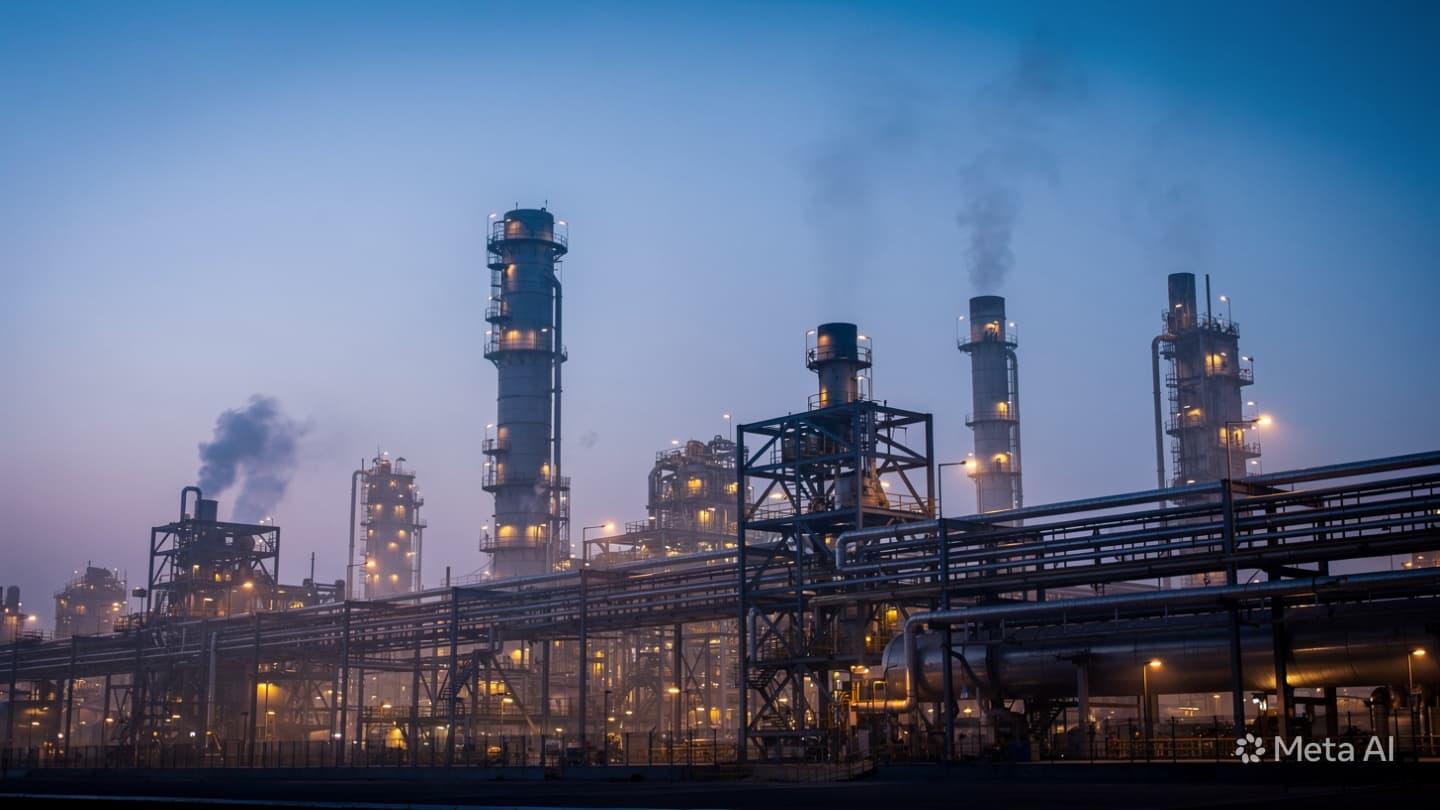
The landscape of Alberta is defined by the vast, open ambition of its industrial corridors, where the infrastructure of the energy sector weaves through the earth like a sprawling, metallic nervous system. Here, the refinery stands as a cathedral of modern production, a place where the transformation of raw resources into the fuel of our daily lives is governed by a complex, rigid order. It is a world of towering distillation columns, sprawling pipe networks, and the constant, rhythmic hum of the machinery that powers a province. Yet, even in such a bastion of precision, the boundary between the managed process and the unforeseen catastrophe can be, in an instant, breached.
A recent incident at a refinery facility serves as a jarring, sobering reminder of the volatility that persists within these controlled environments. A worker, engaged in the day’s labor, was lost in an industrial accident that brought the entire operation to a sudden, absolute halt. The transition from the expected flow of the morning shift to the finality of the tragedy was immediate, transforming a place of purposeful industry into a site of profound, communal silence. For those who work within the shadow of these structures, the event is not just a statistical anomaly; it is a rupture in the fabric of their daily reality.
To stand outside the gates in the aftermath is to feel the weight of the gravity that now governs the site. The machinery, once a testament to human ingenuity and the drive for output, stands as a cold, imposing witness to the fragility of the human form against the scale of the refinery. The emergency responders, arriving with the grim necessity of their calling, navigated the complexities of the site, working to secure the area and provide the dignity of closure. There is a specific, heavy dignity in this work—a recognition that the safety of the workforce is the fundamental, if often unspoken, pillar of the industry.
The human cost of such an incident is the central, unyielding weight of the narrative. With the loss of a colleague, the community of workers is left to grapple with the void where a presence had been only hours before. It is a moment of deep, collective introspection, where the focus shifts from the economics of the refinery to the sanctity of the life that was spent in its service. For the families, the recovery is a journey that will span the quiet, lingering years, a reconciliation with a reality that the standard safety protocols can never fully mitigate.
Authorities have initiated the methodical, clinical process of investigation. Every system, every sequence of operation, and every safety protocol is subject to the scrutiny of those seeking to understand the point of failure. It is a necessary exercise, a search for the truth that might serve as a shield for those who must return to the shift tomorrow. Yet, this pursuit of facts, while essential for the continuity of the operation, remains fundamentally secondary to the visceral, primary truth that a life, a history, and a future have been brought to a sudden, permanent end.
As the province of Alberta processes the news, the focus remains on the support for the survivors and the quiet, reverent acknowledgment of the individual lost. The refinery will eventually restart, the hum of the machinery will return to fill the air, and the work of the province will move forward, layered with the memory of the accident. It is the nature of the industry to persist, to build, and to refine, yet the hope remains that the lessons of this loss are etched into the memory of those who operate the machines, serving as a silent, guiding caution in the days and years to come.
Official reports from the provincial labor authorities have confirmed that an industrial accident at an Alberta refinery resulted in the death of a worker. Emergency teams and safety inspectors were dispatched to the site to secure the area and initiate a formal review of the incident. The company has expressed its condolences and is currently cooperating with regulators to determine the specific mechanical or procedural failures that led to the tragedy.
Published by Banx Network. This article is part of the Banx decentralized media programme, powered by the BXE token on the XRP Ledger.