
Key Highlights
- Bosnia and Croatia have signed an agreement for the Southern Interconnection gas pipeline.
- The project aims to reduce Bosnia's dependence on Russian natural gas.
- U.S. company AAFS Infrastructure and Energy will develop the project, highlighting American involvement.
In a significant move towards energy independence, Bosnia and Herzegovina has formalized an agreement with Croatia to advance the Southern Interconnection gas pipeline project. This initiative is designed to diminish Bosnia's heavy reliance on Russian natural gas, a dependency that has raised concerns about energy security and geopolitical vulnerability.
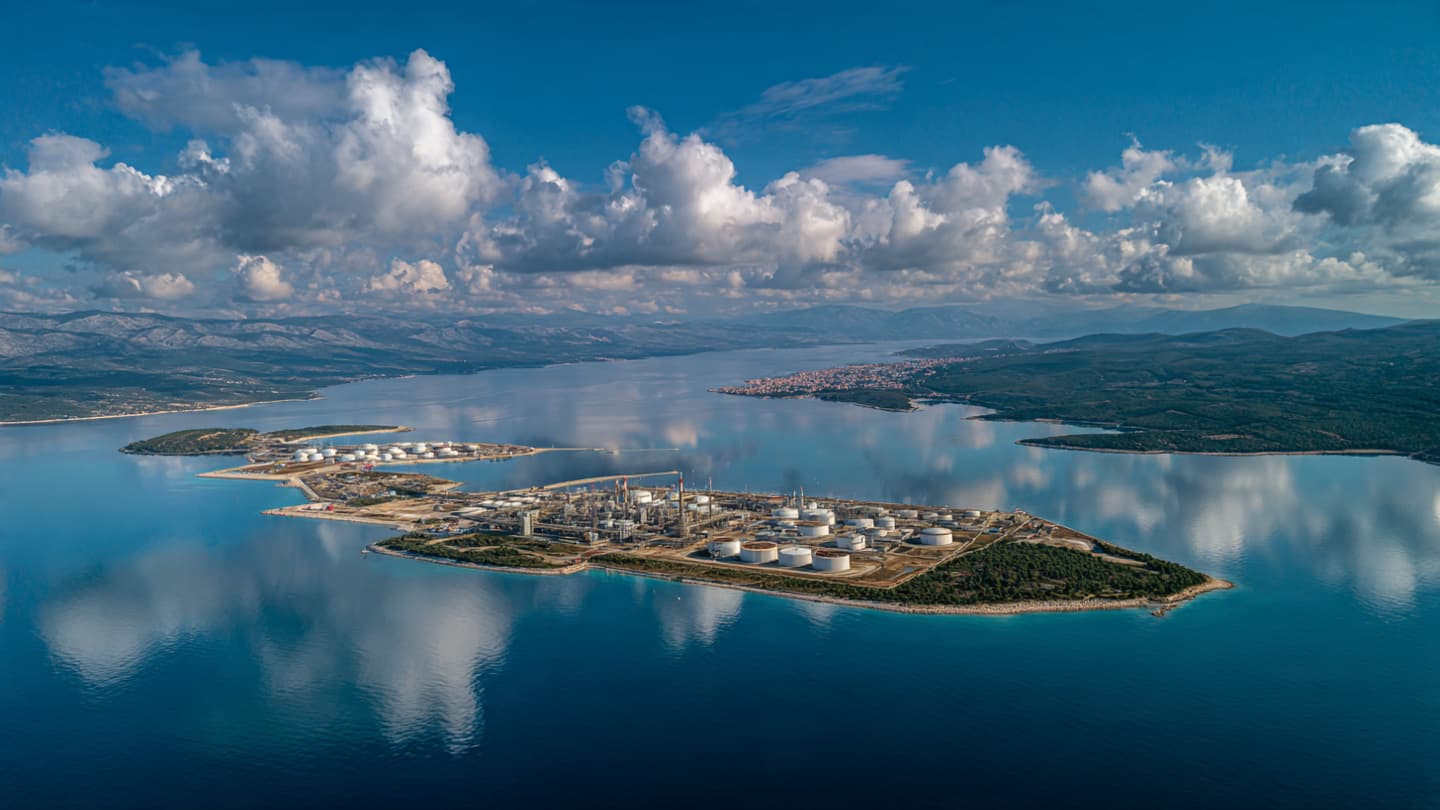
The agreement was signed during a summit of the Three Seas Initiative in Dubrovnik, where Croatian Prime Minister Andrej Plenković and Borjana Krišto, chair of Bosnia’s Council of Ministers, put pen to paper. The pipeline will connect Bosnia to Croatia’s gas network and the liquefied natural gas terminal on the Adriatic island of Krk, facilitating a new corridor for fuel imports, primarily expected from the United States.
Historically, Bosnia's energy supply has been heavily reliant on Russian gas, transported through pipelines that traverse Serbia and Bulgaria. This dependency has often translated into a precarious position during winter months when energy needs peak. The new pipeline represents not just a practical solution but also a symbolic shift towards greater autonomy in energy sourcing.
The involvement of the United States in this project is noteworthy. AAFS Infrastructure and Energy, a U.S.-based firm led by Jesse Binnall and Joseph Flynn, has been designated as the project's investor and developer. Their connection to prominent political figures underscores the strategic importance of this initiative in reshaping energy dynamics in southeastern Europe.
However, the project has not been without controversy. The European Union has expressed concerns regarding the transparency of the agreement, particularly the decision to appoint a specific developer without a competitive tender process. Such actions could jeopardize Bosnia's aspirations for EU membership, as adherence to governance standards is a critical component of the accession process.
Transparency International has raised alarms about potential public trust issues stemming from this arrangement, while European officials have warned that Bosnia could risk losing over $1 billion in aid if it fails to meet EU obligations. These warnings highlight the delicate balance Bosnia must navigate between immediate energy needs and long-term political aspirations.
The Southern Interconnection project, estimated to cost around $1.5 billion, has been a topic of discussion for several years. Proponents argue that it is essential for enhancing energy security, stabilizing prices, and mitigating the risks associated with political disruptions in Russian supply chains. Additionally, the project includes plans for gas-fired power plants, which aim to reduce Bosnia's reliance on coal, a significant contributor to air pollution in the region.
Transitioning from one energy dependency to another is fraught with challenges. While American LNG may replace Russian gas, the implications of such a shift are complex. What may appear as a step towards sovereignty could also be interpreted as a realignment of alliances in a region historically influenced by external powers.
In the Balkans, where infrastructure has long been a tool of strategy and diplomacy, the Southern Interconnection project is more than just a pipeline; it is a reflection of evolving geopolitical landscapes and the ongoing quest for energy independence.
Published by Banx Network. This article is part of the Banx decentralized media programme, powered by the BXE token on the XRP Ledger.



