High above the clouds, where Earth’s atmosphere thins to a whisper, satellites glide on the edge of space. They skim the boundary between sky and void, tracing silent paths that map the invisible contours of our planet. Each orbit is a delicate balance, a dance between gravity pulling them home and velocity pushing them onward, a quiet testament to human ingenuity reaching for the heavens.
These satellites are both observers and explorers. From their vantage, storms curl like smoke over continents, deserts shimmer in the sun’s reflection, and cities pulse with light in patterns unseen from the ground. Skimming so close to the atmosphere, they feel its subtle drag, a reminder that even in the emptiness of orbit, the world below asserts itself in invisible currents, shaping trajectories and demanding careful attention from the engineers who guide them.
The edge of space is a liminal zone, a place where technology meets nature, where motion is eternal yet precise. Satellites here carry instruments that chart weather, measure climate change, and communicate across oceans. Yet there is poetry in their movement—a quiet rhythm of metal and energy tracing the contours of a living planet, marking the passage of time not in hours, but in orbits and revolutions.
Watching them skim the sky is to witness a negotiation between human ambition and physical law, a negotiation that yields insight, data, and a subtle beauty. As these silent travelers continue their eternal circuits, they remind us of perspective, scale, and the fragile boundary between the Earth we know and the vastness beyond.
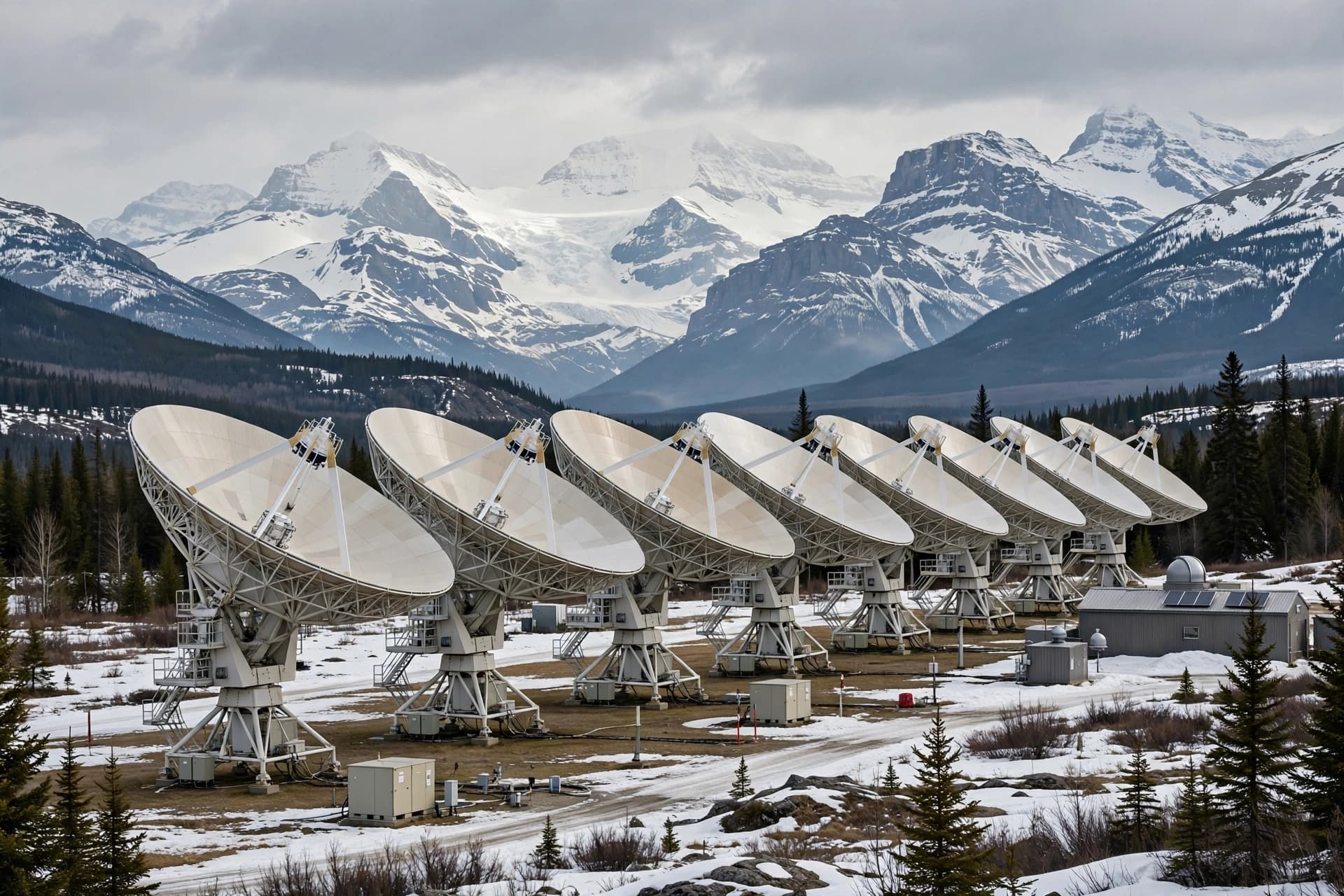
AI Image Disclaimer Visuals are AI-generated and serve as conceptual representations.
Sources NASA orbital observation data Space industry satellite reports Science publications on low Earth orbit
Published by Banx Network. This article is part of the Banx decentralized media programme, powered by the BXE token on the XRP Ledger.