In the expanses of West Texas and the rolling plains of Oklahoma, earth that has slumbered for centuries hides within it elements that power the modern world — the rare metals at the heart of everything from wind turbines to fighter jets. This week, the quiet promise beneath those soils became a point of national focus, as the U.S. government moved to take another stake in the rare earth sector, a decision that carries the weight of strategy, industry, and long‑term ambition.
The Trump administration announced an unprecedented investment — a $1.6 billion debt‑and‑equity package that will give the government roughly a 10 percent stake in USA Rare Earth, an Oklahoma‑based miner developing heavy rare earth deposits in Texas and a magnet‑making facility in Stillwater. This is not merely capital flowing into mining; it is a signal, deliberate and resonant, in a landscape where minerals have become as strategic as missiles or microchips.
For decades, rare earths — a group of 17 elements essential for smartphones, electric vehicles, robotics, and defense systems — were sourced and processed predominantly in China. That dominance has shaped global supply chains, and in recent years has been a recurring point of economic tension. By taking an equity position and providing substantial funding for domestic production, the U.S. is trying to loosen that grip and seed an alternative, homegrown supply.
The response in markets was immediate and telling. Shares of USA Rare Earth leapt in early trading, a reflection of investor belief that strategic backing can accelerate development and mitigate risk. Yet behind stock movement lies a broader story about confidence — not only in a single company, but in the idea that a nation can reshape its role in the supply of materials once taken for granted.
There are practicalities to consider as well. Mining, refining, and manufacturing rare earth elements is a long, complex journey. USA Rare Earth aims to begin commercial production by the late 2020s, a timeline that reminds us that industrial transformation is measured in years, not quarters. And even as this investment unfolds, analysts caution that breaking long‑established supply patterns will require sustained effort, infrastructure, and private sector participation alongside public support.
As the government takes its place among shareholders and lenders, it is also staking a claim in an unfolding narrative that blends economics, security, and innovation. The metal beneath the soil may be rare, but its importance is common to industries and ambitions far beyond any single state line. In this gesture — measured in billions, yes, but also in calculation and intent — the nation affirms that the roots of industrial strength often lie deep below the surface, in places both remote and essential.
AI Image Disclaimer
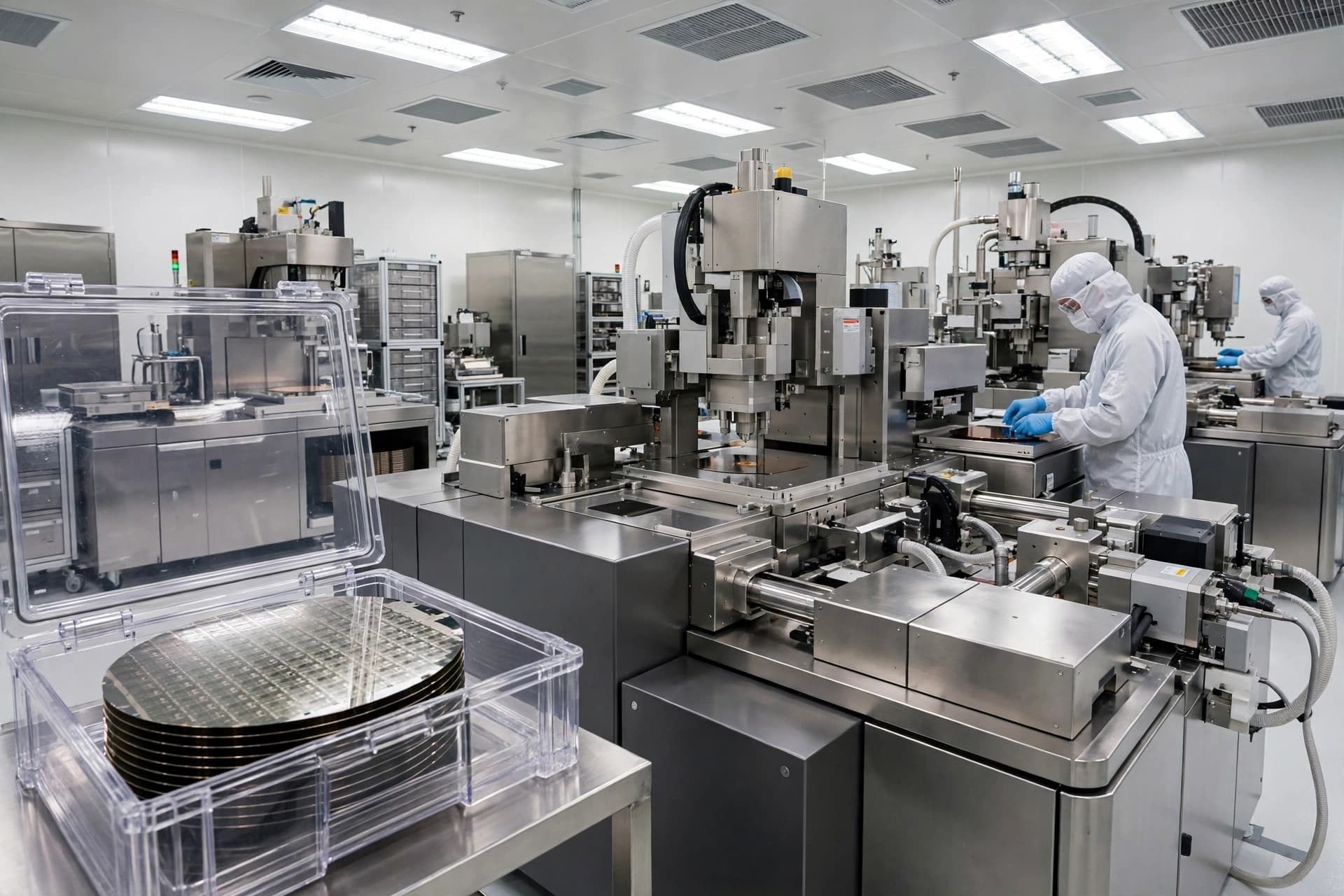
Visuals are AI-generated and serve as conceptual representations.
Sources
USA Rare Earth reports Reuters financial news AP News coverage Financial Times analysis MarketWatch financial summary
Published by Banx Network. This article is part of the Banx decentralized media programme, powered by the BXE token on the XRP Ledger.