
Key Highlights
- Announcement:President Trump has formed a 'Board of Peace' for Gaza.
- Purpose:The board aims to oversee reconstruction and civil affairs management.
- Context:This initiative follows a ceasefire after months of violence.
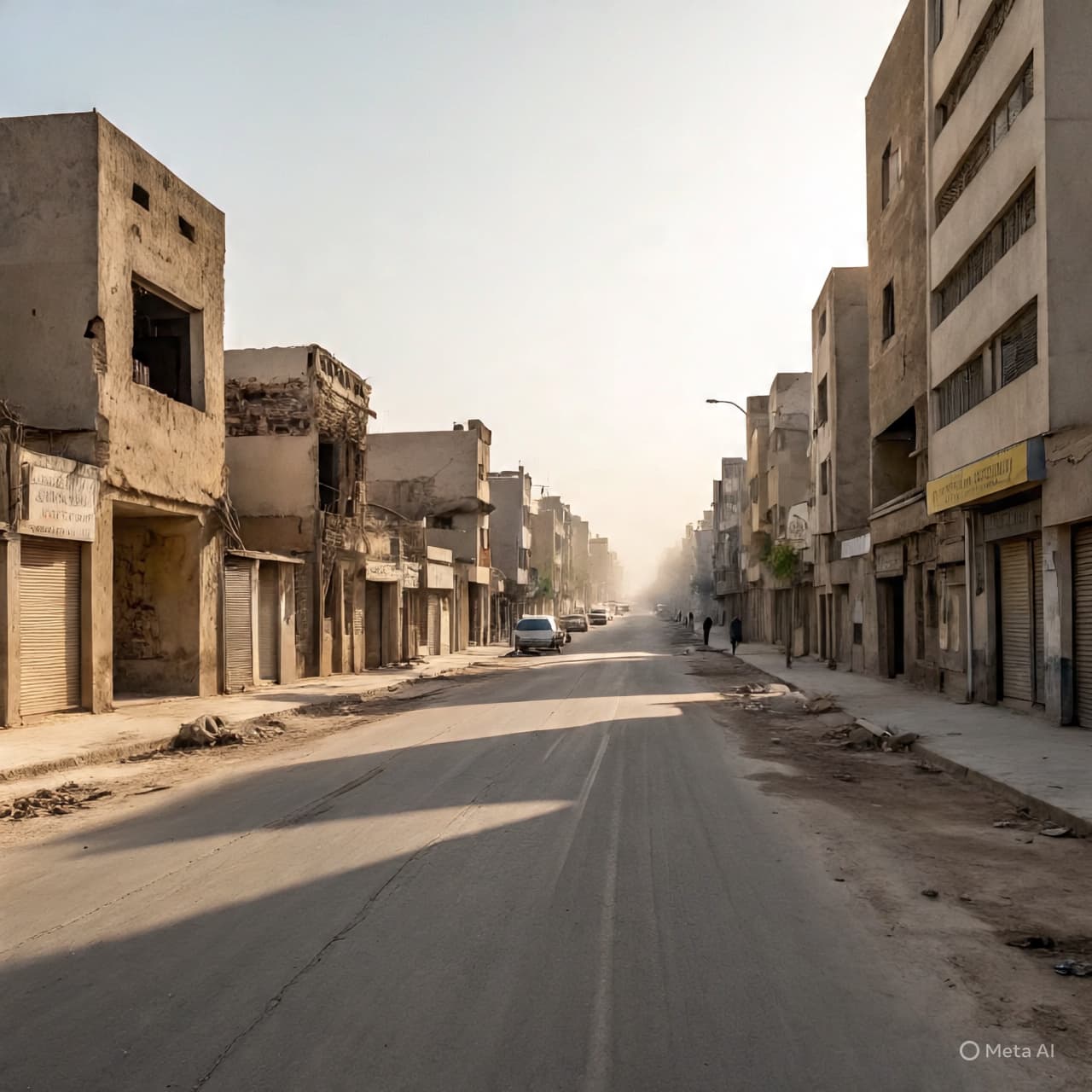
Morning in Gaza arrives softly now, not because the wounds have healed, but because exhaustion has replaced urgency. The air moves through shattered streets and temporary shelters, carrying with it the muted sounds of rebuilding and waiting. In this landscape shaped by loss and endurance, words spoken far away often arrive heavy with promise, settling slowly into the dust.
Recently, U.S. President Donald Trump announced the formation of a 'Board of Peace' intended to oversee the next phase of efforts following a ceasefire that has paused months of sustained violence in Gaza. This announcement, brief and declarative, framed the board as a guiding presence — an instrument meant to steady a fragile transition rather than transform it overnight.
The idea of governance in Gaza has long been bound to absence: the absence of stability, continuity, and clear authority that can move daily life forward. In recent weeks, diplomatic discussions have turned toward filling that void not with force, but with administration. A technocratic Palestinian committee has already been named to manage civil affairs, and the newly announced board is intended to sit above it, offering international oversight as reconstruction and security arrangements begin to take shape.
For those living among the remains of neighborhoods and institutions, such announcements are met with measured distance. Some hear in them the possibility of coordination — of schools reopening, utilities stabilizing, borders quieting. Others receive them as yet another structure conceived far from the streets it seeks to govern. In Gaza, hope has learned to move carefully.
The concept of a board suggests deliberation rather than decree. Its role, as described, would involve supervising reconstruction, coordinating international involvement, and helping guide Gaza through a period defined less by ideology than by survival. Details remain sparse, including who will serve on the board and how its authority will intersect with regional actors and Palestinian leadership.
Still, the timing of the announcement carries its own weight. It arrives during a lull, a narrow window where the absence of bombardment allows for planning instead of reaction. Whether the Board of Peace becomes a meaningful presence or another name layered onto an already complex reality will depend on decisions still unfolding.
In straight news terms: President Donald Trump announced that a 'Board of Peace' has been formed as part of the next phase of a Gaza ceasefire and transition plan. The board is intended to oversee reconstruction and supervise a technocratic Palestinian body managing civil affairs. Membership and operational details have not yet been fully disclosed.
Published by Banx Network. This article is part of the Banx decentralized media programme, powered by the BXE token on the XRP Ledger.



