Morning arrives differently after an earthquake. The light falls across streets that no longer follow familiar lines, resting on fractured walls, scattered stones, and neighborhoods learning once again how to measure the ordinary. In such places, silence carries unusual weight. It is filled not by the absence of sound alone, but by the careful footsteps of those still searching for signs that life has endured beneath the debris.
In Venezuela, rescue teams continued their painstaking work following the powerful earthquake that devastated several communities. As the confirmed death toll climbed above 5,200, emergency workers uncovered a small but deeply moving sign of survival—a cat found alive beneath the collapsed remains of a building after days trapped beneath layers of concrete and twisted metal. The rescue quickly became a symbol of persistence amid overwhelming loss.
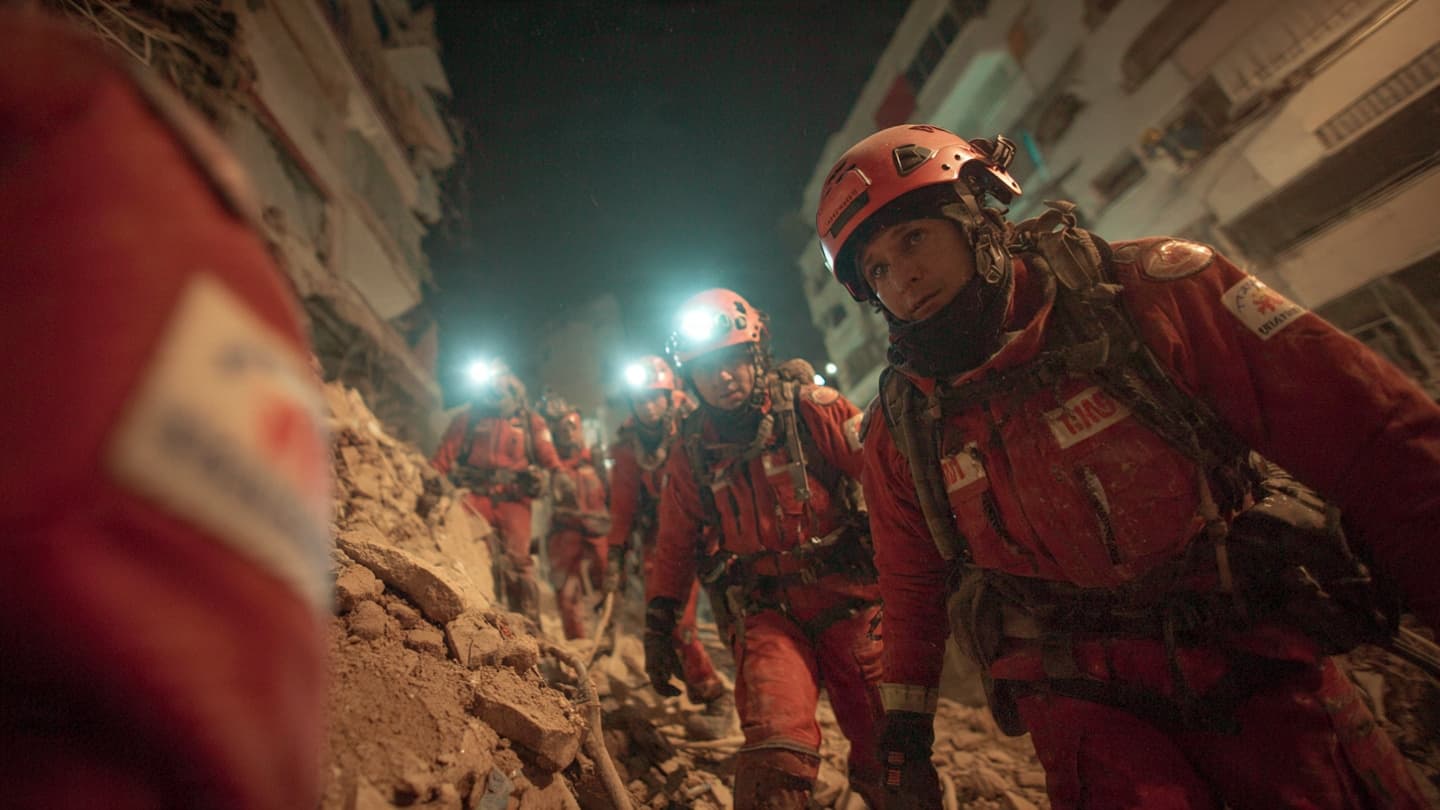
The operation reflected the remarkable patience that defines disaster response. Search-and-rescue specialists moved cautiously through unstable structures, listening for even the faintest indication of life. Every section of debris required careful removal, balancing urgency with safety as engineers and emergency personnel worked together in conditions that remained both physically demanding and emotionally exhausting.
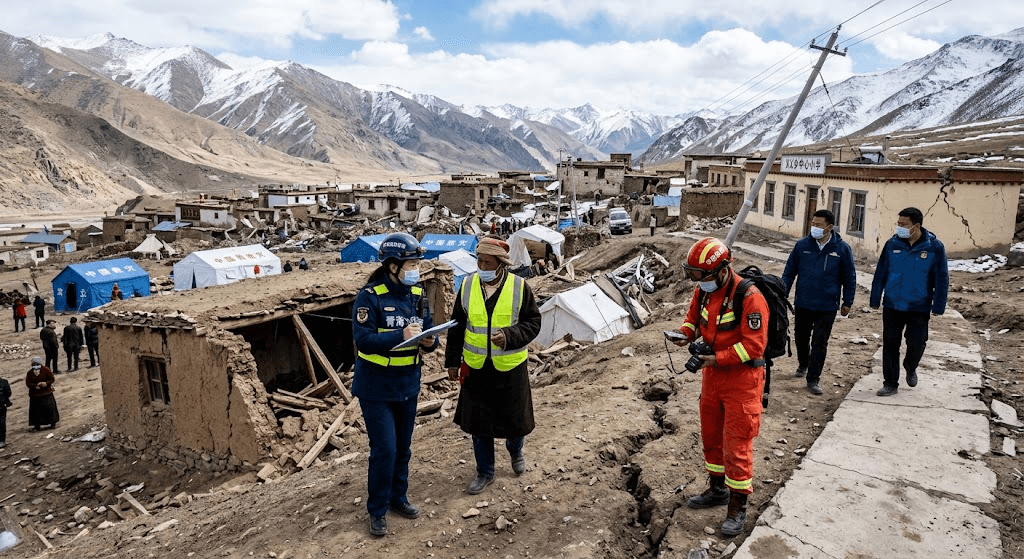
Across the affected regions, humanitarian efforts have expanded to provide shelter, food, clean water, and medical care to thousands of displaced residents. Temporary camps have become gathering places where families seek comfort, exchange information, and wait for news of missing loved ones. Schools, community centers, and public buildings have been transformed into spaces of refuge as recovery operations continue.
Engineers and geologists have begun assessing the full extent of the structural damage. Roads, bridges, hospitals, and residential buildings suffered significant impacts, while aftershocks have complicated inspection efforts. Restoring essential infrastructure will require not only technical expertise but also sustained cooperation between local authorities, emergency agencies, and international humanitarian organizations.
The rescue of the cat resonated far beyond the immediate disaster zone. During major earthquakes, stories of animals surviving beneath collapsed buildings often remind exhausted rescue teams that hope can persist even after long hours of searching. Such moments do not diminish the profound human tragedy, but they offer brief reminders that life sometimes continues in the most unexpected places.
Meanwhile, international relief organizations have pledged additional assistance, sending medical supplies, search equipment, and specialized personnel to support Venezuela's recovery. Governments and humanitarian groups have emphasized the importance of sustained aid, recognizing that rebuilding communities extends well beyond the immediate emergency response.
Experts note that the coming months will focus increasingly on reconstruction, psychological support, and improving resilience against future natural disasters. Earthquakes reshape not only buildings but also the daily rhythms of communities, leaving memories that remain long after damaged streets have been rebuilt. Recovery becomes a gradual process measured in countless individual acts of resilience rather than a single moment of restoration.
As evening settles over neighborhoods marked by loss, rescue lights continue to illuminate piles of broken stone beneath the fading sky. Among those fragments, one small animal carried gently into safety has come to represent something quietly enduring. While no single rescue can erase the sorrow of thousands of lives lost, it reflects the determination that continues to guide those who search, rebuild, and hope. In the stillness that follows the earth's great movement, compassion remains one of the strongest foundations from which a community can begin again.
AI Image Disclaimer The visuals accompanying this article are AI-generated illustrations created to represent the reported events and are not actual photographs.
Sources Reuters Associated Press BBC News International Federation of Red Cross and Red Crescent Societies (IFRC) United Nations Office for the Coordination of Humanitarian Affairs (OCHA)
Published by Banx Network. This article is part of the Banx decentralized media programme, powered by the BXE token on the XRP Ledger.