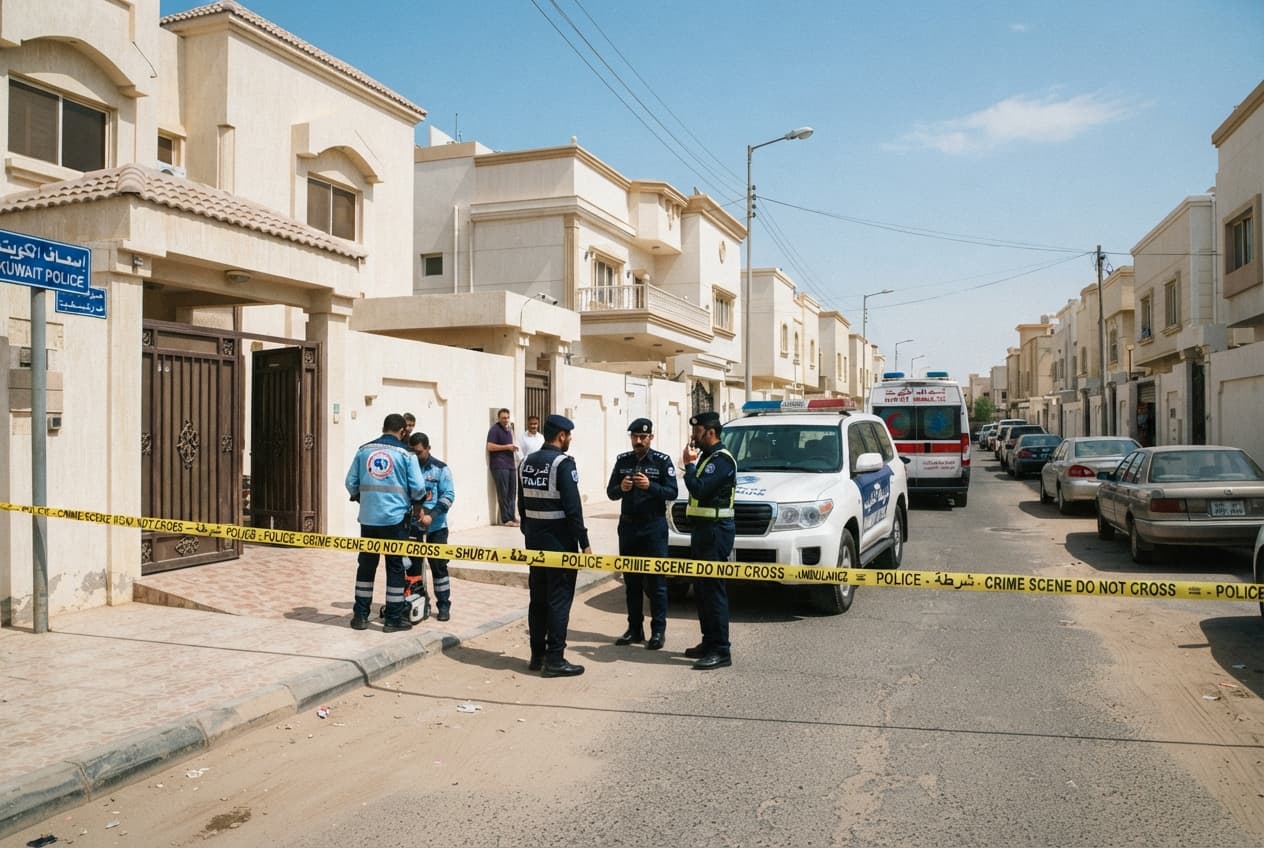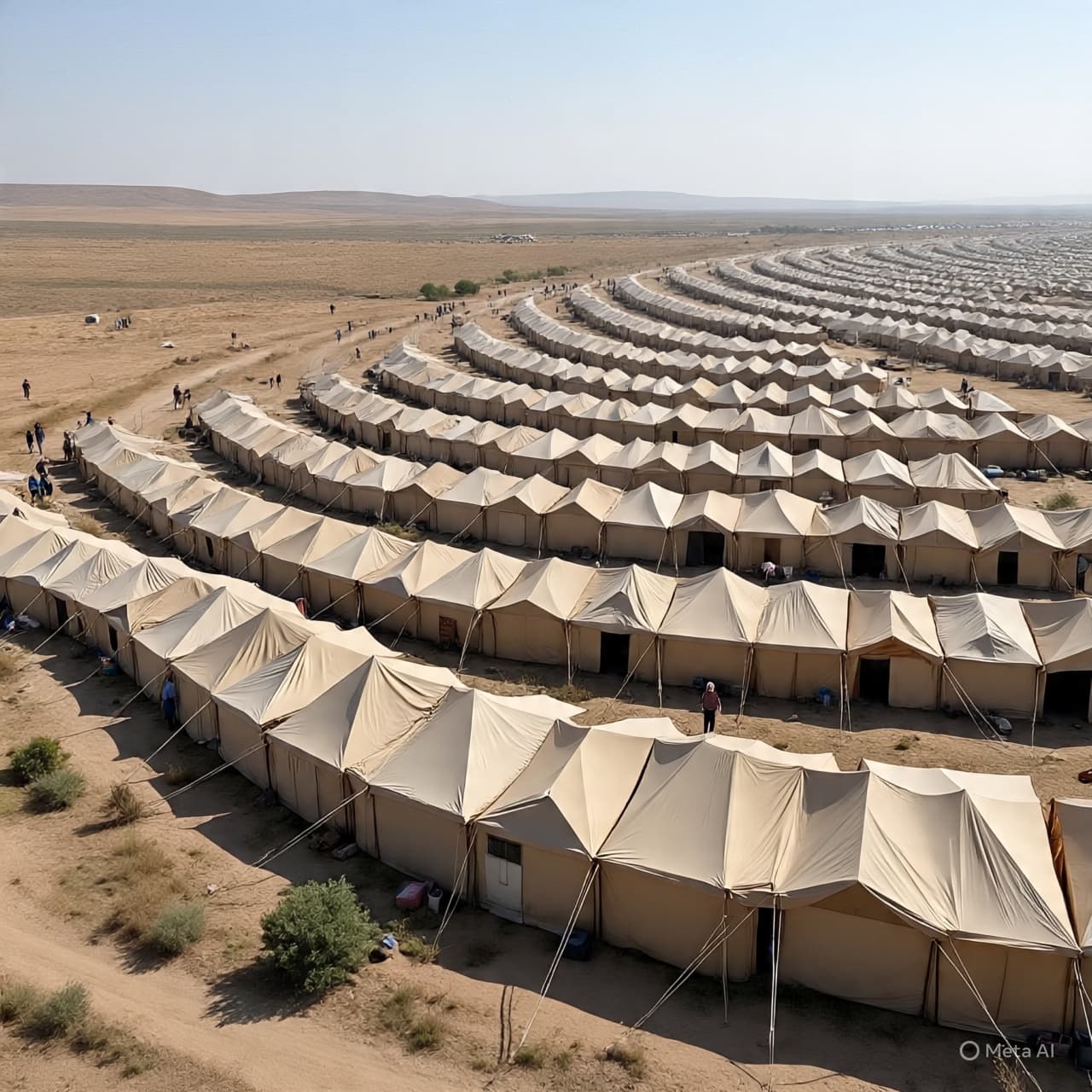
In the soft haze of Syria’s northeastern plains, where dust hangs between sun and earth, rows of tents ripple in the wind. Among them, the lives of women and children unfold in waiting — waiting for letters, for decisions, for a return that may never come. At the Al-Roj camp, the latest movement toward that hope faltered once again, as a group of Australians, long stranded between belonging and exile, were turned back before the journey home could begin.
For more than four years, Al-Roj has held families linked by blood to members of the so-called Islamic State, their lives suspended between the aftermath of war and the boundaries of policy. In recent days, thirty-four Australians — eleven women and twenty-three children — briefly stepped out of that suspension, leaving the camp under Kurdish escort in hopes of traveling toward Damascus and onward to their homeland. But their convoy was halted by Syrian authorities, who ordered the group to return. What began as a fragile gesture of motion ended as another still frame in a landscape defined by stasis.
From Canberra, the government’s stance was clear. Prime Minister Anthony Albanese affirmed that Australia would not provide assistance or repatriation to citizens linked to the former ISIS territories. His tone, measured but unyielding, echoed the official position repeated by senior ministers: that while citizenship grants the right of return, it does not compel the state to facilitate that return, particularly in cases involving national security concerns. Those who return independently, officials note, may face prosecution if their actions abroad breach Australian law.
The reasoning, layered in caution, reflects both security calculus and public sentiment. In the years since the fall of ISIS’s territorial claim, Western nations have wrestled with how to handle the remnants of that caliphate — its fighters, its affiliates, and their families. For some, repatriation is a matter of duty and rehabilitation; for others, it is a risk not worth taking. Australia has positioned itself firmly among the latter, citing the potential danger of reintegration and the logistical hazards of extraction from conflict zones.
Yet for those within the camp, the argument exists only in echoes. They hear of policies, not pathways; of decisions made far beyond the horizon that separates the desert from the sea. The children, many of them born in Syria, carry citizenship they have never used and passports they have never held. Their mothers — some accused of aiding ISIS, others claiming coercion or survival — remain caught in the intersection between responsibility and rejection, their stories distilled to headlines and official briefings.
Within the quiet of the camp, daily life persists in muted rhythm. Humanitarian workers speak of rising frustration and despair. Schools run out of supplies; clinics face shortages. Each attempt at repatriation that ends in reversal deepens the sense of invisibility — of lives reduced to a geopolitical abstraction.
In policy terms, Australia’s decision sits within a broader global pattern. Several nations, including the United States and some European states, have selectively repatriated citizens, balancing security assessments with humanitarian considerations. Others, like Australia, have maintained a stance of non-intervention, arguing that returning such individuals poses risks that outweigh obligations.
The desert wind carries these policies without bias, just as it carries the dust that settles on the tents each night. For the families inside Al-Roj, the waiting continues — a waiting marked not by hope alone, but by the gradual recognition that the world beyond the wire may no longer see them as part of its own.
AI Image Disclaimer
Illustrations were created using AI tools and serve as conceptual representations.
Sources (Media Names Only)
Reuters ABC News The Guardian AP News The Australian
Published by Banx Network. This article is part of the Banx decentralized media programme, powered by the BXE token on the XRP Ledger.