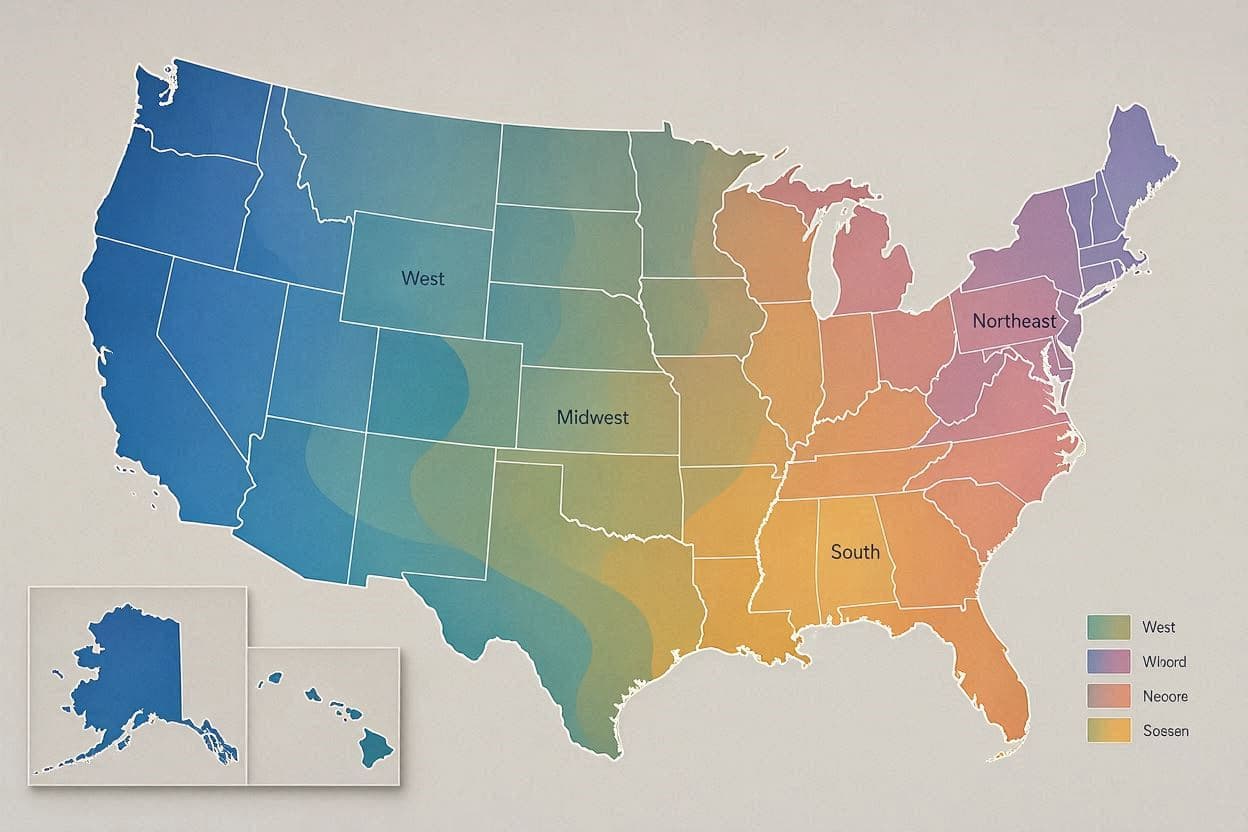
The question of where to call home is deeply personal, woven from threads of opportunity, comfort, and belonging. Each year, researchers attempt to quantify this complex decision by ranking the fifty states based on a variety of metrics, offering a snapshot of what makes certain places more desirable than others in the ever-changing American landscape.
The latest study evaluates states across multiple dimensions, including economic stability, quality of life, healthcare access, and educational outcomes. Nebraska has emerged as a top contender, securing a high position due to its strong job market, affordable housing, and low unemployment rates. This consistency has made it a favorite for families and professionals seeking balance.
Massachusetts and New Hampshire also feature prominently in the rankings, praised for their robust healthcare systems and high educational attainment. These states attract residents who value academic excellence and medical infrastructure, though they often come with a higher cost of living. The trade-off between affordability and quality of services remains a central theme in these evaluations.
On the other end of the spectrum, some states struggle with challenges such as high poverty rates, limited access to healthcare, and lower educational funding. These factors contribute to lower rankings, highlighting areas where policy improvements could significantly enhance residents’ well-being. The disparity between states underscores the uneven distribution of resources and opportunities across the country.
Virginia and Utah are noted for their balanced approach, offering a mix of economic growth, natural beauty, and community engagement. Virginia’s proximity to major political and technological hubs provides diverse career options, while Utah’s outdoor recreation opportunities appeal to those seeking an active lifestyle. Both states demonstrate how different strengths can lead to high livability scores.
The methodology behind these rankings often includes subjective elements, such as resident satisfaction surveys, which capture the emotional connection people have with their surroundings. A state may score well on paper but lack the communal warmth that makes a place feel like home. Conversely, a state with moderate economic indicators might rank higher due to its strong social fabric and cultural vibrancy.
Migration patterns in recent years reflect these rankings, with many Americans moving from high-cost coastal areas to more affordable inland states. This shift is driven not only by financial considerations but also by a desire for a slower pace of life and closer community ties. The data suggests that people are increasingly prioritizing quality of life over pure income potential.
While rankings provide useful insights, they are merely guides. The best state for one person may not suit another, as individual needs and preferences vary widely. Ultimately, the choice of where to live remains a deeply personal journey.
AI Image Disclaimer: The illustrations in this piece are created using artificial intelligence to visually represent the concept of state rankings and regional diversity.
Sources: CNBC, WalletHub, U.S. News & World Report, Sacramento Bee
Published by Banx Network. This article is part of the Banx decentralized media programme, powered by the BXE token on the XRP Ledger.