
Key Highlights
- Incident:Three patients evacuated from a cruise ship due to a hantavirus outbreak.
- Health Response:Medical authorities coordinate transfer to specialized care in Europe.
- Public Health:Hantavirus outbreaks are rare, emphasizing the need for vigilance.
A cruise ship navigating the open waters has become the scene of a significant health incident, as three patients are evacuated to Europe following a hantavirus outbreak onboard. This situation has prompted urgent medical attention and coordination between maritime and health authorities, highlighting the complexities of managing health crises at sea.
Hantavirus is a rare but potentially severe disease, primarily transmitted through contact with infected rodent droppings, urine, or saliva. The outbreak aboard the cruise ship has raised alarms, particularly because certain strains, such as the Andes variant, can lead to hantavirus pulmonary syndrome, a serious condition requiring specialized medical treatment. While outbreaks on ships are uncommon, the confined environment can exacerbate concerns when illness arises.
The evacuation process is a meticulously organized operation, involving the transfer of patients from the ship to medical facilities capable of providing advanced care. This operation requires seamless coordination among ship crews, rescue services, and hospitals prepared to receive the patients. Each phase of the evacuation—from departure from the ship to arrival at treatment centers—demands precision and urgency, ensuring that the patients receive the care they need as quickly as possible.
For those remaining on the ship, the atmosphere shifts subtly. While daily routines continue, there is an underlying awareness that the journey has been disrupted by an unseen threat. Health protocols are likely reinforced, with increased monitoring and communication to maintain safety and clarity among passengers and crew.
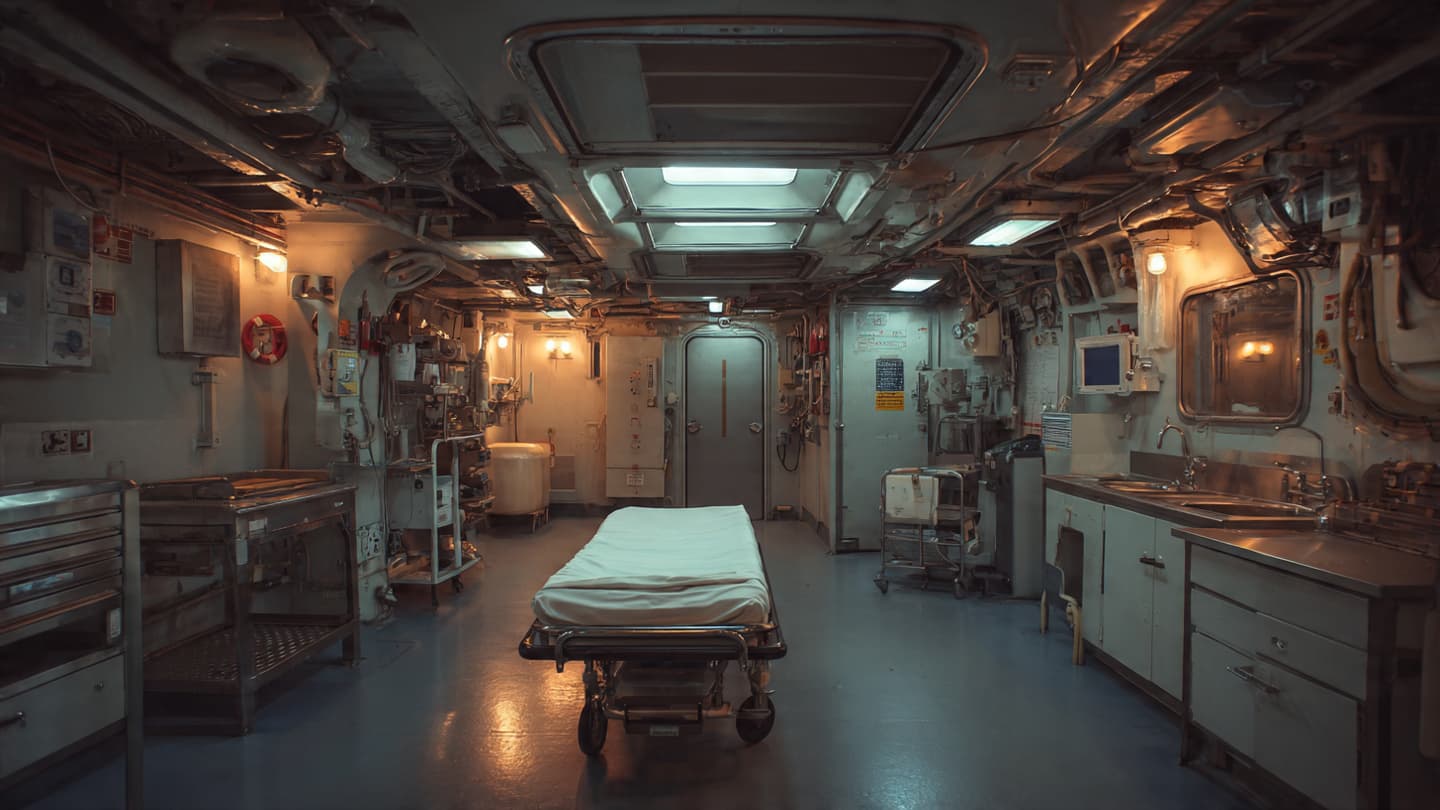
Maritime travel inherently distances itself from immediate medical infrastructure. Although ships are equipped with onboard medical facilities, serious health conditions necessitate access to land-based hospitals. The evacuation of these patients underscores the limitations of care available at sea and the critical need for connection to broader health systems.
Public health authorities have reiterated that hantavirus outbreaks are rare and that transmission typically involves specific environmental exposures rather than casual person-to-person contact. Each case warrants thorough investigation to trace potential sources and implement measures to prevent further spread of the virus.
The evacuation to Europe also reflects the interconnected nature of modern travel, where a single voyage can link multiple regions and carry complex health management challenges across borders. In such scenarios, response efforts must transcend individual jurisdictions, relying on cooperation and shared protocols to ensure effective management of health risks.
As the situation evolves, attention remains focused on the health of those evacuated and the ongoing monitoring of other passengers onboard. The ship continues its journey, now marked by an event that has altered its previously steady course, serving as a reminder of the fragility of health even in the vastness of the sea.
In summary, three patients from a cruise ship experiencing a hantavirus outbreak are being evacuated to Europe for medical treatment. This incident underscores the delicate balance of health management in enclosed maritime environments, where vulnerabilities can emerge unexpectedly.
Published by Banx Network. This article is part of the Banx decentralized media programme, powered by the BXE token on the XRP Ledger.



