
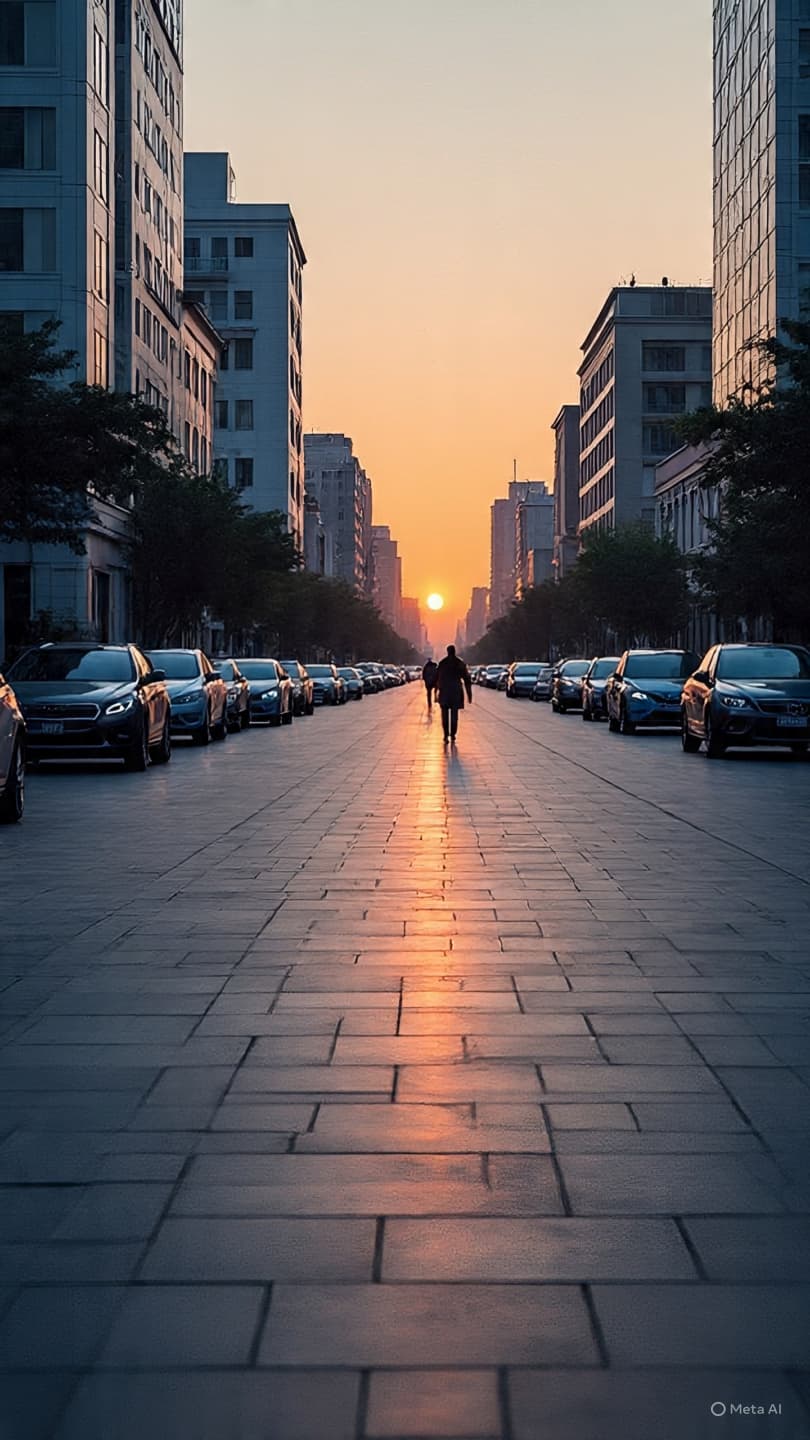
In the cities of Islamabad and Rawalpindi, the rhythm of daily life is currently being punctuated by the steady, deliberate presence of heightened security. It is a familiar cadence in a nation that has often had to balance the urgency of its internal stability with the aspiration for broader, long-term peace. As the country prepares for the second phase of critical negotiations, the atmosphere is one of focused anticipation, where the visible symbols of protection serve as a backdrop for the unseen, complex work of diplomacy.
This security posture is not merely a response to immediate threats; it is a manifestation of the stakes involved in the upcoming dialogue. Peace, when pursued in a region shaped by historical contention and modern complexities, is rarely achieved in the open. It requires a carefully managed environment where the pressures of the street are shielded from the delicate, iterative progress of the conference room. It is a space where caution and hope exist in a fragile, necessary equilibrium.
The negotiations represent a significant effort to bridge the gaps between competing interests. For those involved, the task is to navigate the difficult terrain of compromise, looking toward a future that is not defined by the limitations of the past. The presence of security personnel, while stark, is a testament to the importance placed on these talks—a recognition that the path to a lasting settlement is worth the vigilance and the temporary disruption of the urban landscape.
Reflecting on this moment, one is struck by the resilience of the civil society that carries on beneath the shadow of these measures. Life in these cities continues, even as the mechanisms of the state are engaged in the high-stakes work of peacebuilding. There is a collective patience to be observed, a quiet understanding that the discomfort of the present is part of a larger, necessary effort to ensure a more secure and predictable future for all citizens.
As the second phase of talks approaches, the focus moves from the administrative to the structural. It is a time for assessing the progress made in the initial discussions and preparing for the more challenging concessions that likely lie ahead. The success of these negotiations will not be measured by the strength of the security presence, but by the ability of the participants to translate their political will into tangible, enduring results for the region.
The international community watches with a blend of expectation and cautious optimism. The challenges in the region are well-documented, yet the current pursuit of dialogue is a positive signal of a commitment to resolve conflict through discourse rather than confrontation. As the cities of Islamabad and Rawalpindi serve as the stage for these efforts, they carry the weight of the nation’s aspirations, offering a window into the difficult, ongoing evolution of peace in South Asia.
The Pakistani government has implemented a comprehensive security plan across Islamabad and Rawalpindi ahead of the second phase of peace negotiations. Authorities have increased the deployment of police and paramilitary forces to key administrative and residential areas, while restricting movement around the designated meeting sites. Officials stated that the security measures are designed to ensure that the peace process proceeds without disruption. The talks are expected to focus on long-standing regional grievances and the framework for a sustainable ceasefire.
Visuals are AI-generated and serve as conceptual representations.
Published by Banx Network. This article is part of the Banx decentralized media programme, powered by the BXE token on the XRP Ledger.


