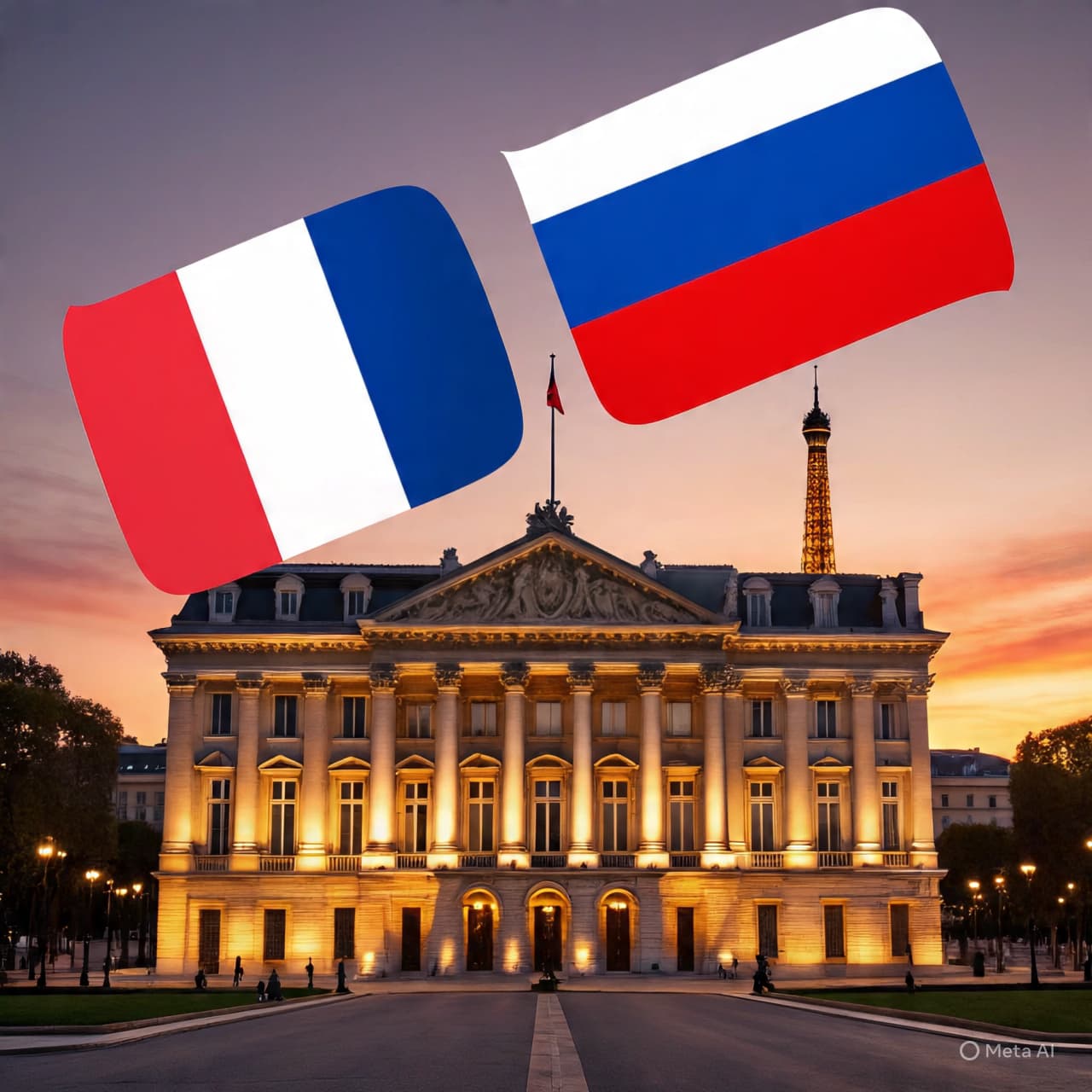
In the soft cadence of Parisian diplomacy, where stately avenues and ancient facades often frame questions of global consequence, a new overture has drawn attention far beyond the French capital. On the heels of intense international efforts to end the nearly four‑year‑long conflict in Ukraine, the French presidency officially welcomed Russian President Vladimir Putin’s expressed readiness to engage in dialogue with President Emmanuel Macron — a gesture that Paris views as “welcome” and potentially constructive, even as details remain to be defined.
The announcement came after Kremlin spokesman Dmitry Peskov publicly stated that Mr. Putin was prepared to talk with Mr. Macron, provided there is “mutual political will.” The French government responded that this willingness to engage could offer a pathway to reinforcing Europe’s voice in diplomatic efforts over Ukraine — especially as current peace talks, led mainly by the United States, continue in Florida with Ukrainian and Russian envoys.
Even as history has shown the immense challenges of negotiating an end to hostilities that began with Russia’s full‑scale invasion of Ukraine in 2022, Paris sees this development as a small but meaningful signal. The Élysée Palace emphasized that any dialogue with Moscow would be conducted “in full transparency” with Ukrainian President Volodymyr Zelenskyy and France’s European partners, ensuring that such discussions align with the broader goal of securing a “solid and lasting peace.”
President Macron himself had earlier underscored the importance of European engagement, suggesting that Europe should not be sidelined as the United States takes a lead role in negotiations. Macron argued that direct communication between European leaders and Moscow could complement wider peace efforts — not replace them — and help forge a cohesive approach across the continent.
For Paris, the French capital’s warm reception of Putin’s readiness to talk reflects both diplomatic pragmatism and a desire to contribute constructively to ending a conflict that has reshaped European security and strained international alliances. Yet French officials also made clear that being open to dialogue is not the same as endorsing Russia’s actions nor equates to a loosening of support for Ukraine’s sovereignty. Instead, it represents a carefully calibrated effort to explore all avenues toward reducing violence and finding common ground where possible.
In the coming days, officials in Paris and Moscow are expected to consult on potential formats, timing, and agendas for such talks — a process that will be watched closely in Kyiv, Brussels, Washington, and beyond. Whether these bilateral conversations yield substantive momentum toward a ceasefire or remain symbolic gestures will depend not just on the willingness to speak, but on the shared commitment to address the profound human and geopolitical stakes at the heart of the war.
AI Image Disclaimer “Visuals are created with AI tools and are not real photographs.”
Sources Anadolu Agency / European Press RFI Arab News Kyiv Independent BGNES
Published by Banx Network. This article is part of the Banx decentralized media programme, powered by the BXE token on the XRP Ledger.

.jpg&w=3840&q=75 "Zelensky Warns China Is Helping Russia Develop a Starlink Rival")