In Abuja, the afternoon light falls thick and golden across wide boulevards, where traffic moves in patient currents and government buildings rise in measured symmetry. The air carries the hum of a capital accustomed to negotiations—about oil, about trade, about the fragile balances that define a nation of more than 200 million. This week, another conversation began to take clearer shape, one that stretches beyond Nigeria’s borders toward the conference rooms of Brussels.
The European Union has launched a formal defense and security dialogue with Nigeria, marking a new chapter in relations shaped increasingly by shared concerns over instability, extremism, and regional security. Alongside the dialogue, EU officials have underscored that €234.4 million in task force and security-related support has been directed to Nigeria to date, funding initiatives ranging from counterterrorism assistance to capacity building for security forces.
The numbers are precise, but the terrain they address is complex. Nigeria faces a web of security challenges: insurgent violence in the northeast linked to Boko Haram and Islamic State West Africa Province, banditry and kidnappings in the northwest, and separatist tensions in the southeast. These conflicts ripple outward, affecting trade routes, humanitarian access, and regional migration patterns. For Europe, whose southern shores look toward Africa across the Mediterranean, such instability is not distant.
The new dialogue is designed as a structured platform—regular meetings between officials, defense planners, and security experts to coordinate priorities and share expertise. European representatives have framed it as a partnership rather than a prescription, emphasizing respect for Nigeria’s sovereignty while acknowledging mutual interests. For Nigeria, the engagement offers additional technical support, intelligence cooperation, and resources aimed at strengthening national institutions.
The €234.4 million in support, delivered through EU instruments and task forces over recent years, has funded training programs, equipment, and projects intended to enhance civilian protection and counter violent extremism. Some of this assistance has flowed through the European Peace Facility and other mechanisms designed to bolster partner countries’ security capacities. The emphasis, EU officials say, is on sustainable reform—improving command structures, accountability systems, and coordination among agencies.
In markets across northern Nigeria, daily life continues under the shadow of security concerns. Farmers weigh the risks of tending distant fields. Traders navigate checkpoints and fluctuating conditions. The dialogue launched in Abuja may seem far removed from these intimate calculations, yet its stated aim is to ease them—to create conditions where economic and social rhythms can proceed with fewer interruptions.
The partnership also reflects broader geopolitical shifts. As global powers compete for influence in Africa, security cooperation has become a visible marker of engagement. The EU’s approach in Nigeria contrasts with more transactional models, positioning itself as a long-term collaborator focused on governance and institutional resilience. Nigerian officials, for their part, have signaled openness to diversified partnerships, seeking resources and expertise without overreliance on any single actor.
Human rights considerations hover at the edges of the conversation. European policymakers have repeatedly stressed that security assistance must align with international standards and civilian protection. Nigerian authorities have faced scrutiny in the past over allegations of abuses by security forces, issues that underscore the delicate balance between forceful response and lawful conduct. The new dialogue, in theory, offers a forum to address such complexities openly.
As dusk settles over Abuja’s skyline, the symbolism of the moment becomes clearer. Two political spaces—Europe and West Africa—are binding themselves through institutional threads, acknowledging that threats do not respect geography. The €234.4 million already committed stands as evidence of intent; the dialogue itself signals continuity.
In the months ahead, joint working groups will refine objectives and timelines. Programs will be evaluated, extended, or reshaped. The language of communiqués will speak of cooperation, coordination, and shared responsibility. Yet beyond the formalities lies a simpler aspiration: that security, carefully nurtured, might allow communities to focus less on survival and more on possibility.
For Nigeria, the challenges remain immediate and grounded in local realities. For the European Union, engagement here reflects a broader vision of interconnected stability. Between Abuja’s warm evenings and Brussels’ tempered halls, a conversation has begun—one measured not only in euros but in the quiet hope that partnership can steady a region where uncertainty has long been familiar.
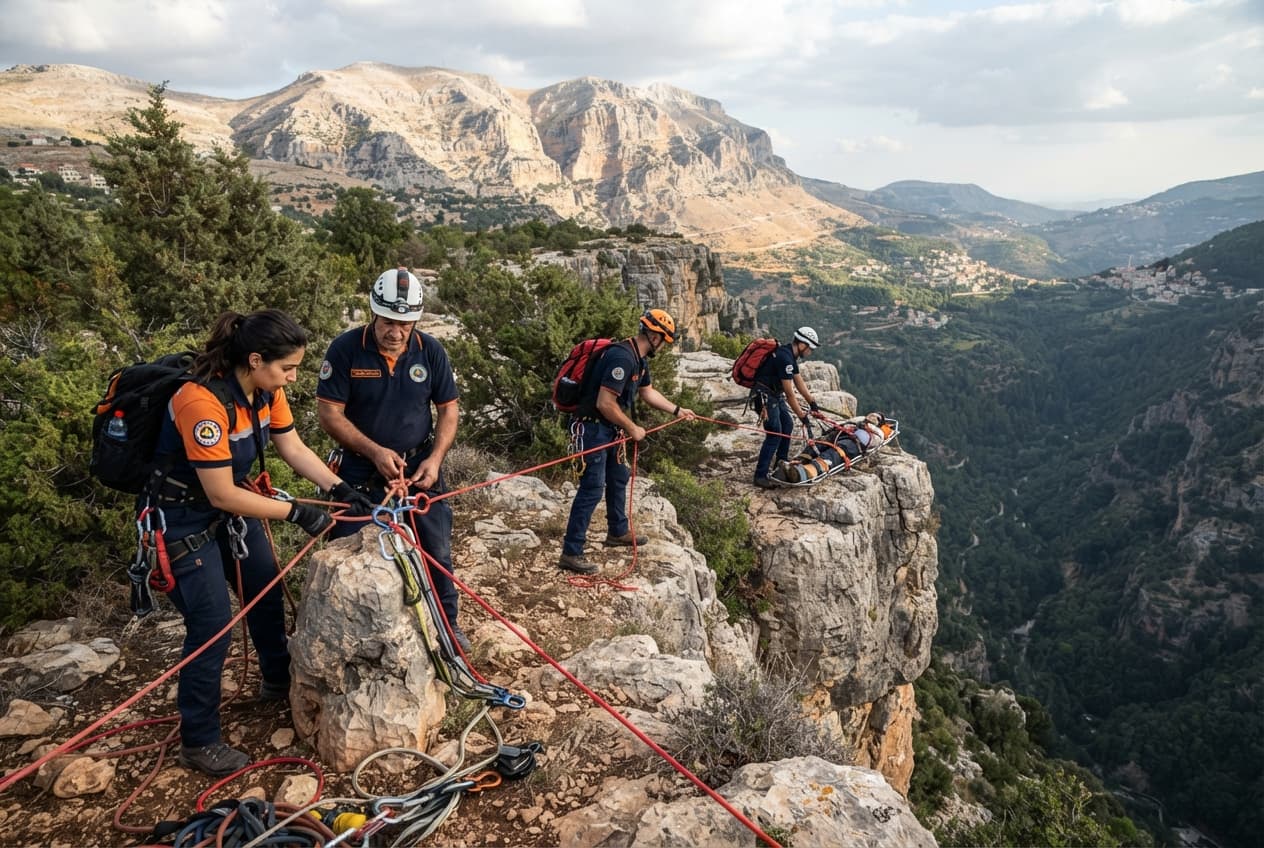
AI Image Disclaimer Illustrations were generated using AI tools and are intended as conceptual visuals rather than documentary photography.
Sources Reuters European External Action Service BBC News Al Jazeera The Africa Report
Published by Banx Network. This article is part of the Banx decentralized media programme, powered by the BXE token on the XRP Ledger.