
Key Highlights
- Attendance Concerns:Recent discussions on MP absenteeism ended without agreement.
- Public Trust:Critics argue empty benches erode confidence in democracy.
- Ongoing Dialogue:Parliamentary authorities continue to publish attendance records.
The issue of absenteeism among Members of Parliament (MPs) has resurfaced in public discourse following the collapse of cross-party talks aimed at addressing attendance standards in the House of Commons. These discussions, which sought to establish clearer expectations for MPs’ presence during parliamentary sessions and committee work, ended quietly, highlighting the ongoing challenges in achieving consensus on this critical issue.
Attendance in the House of Commons has always been influenced by the dual responsibilities MPs hold—balancing their duties in Westminster with the needs of their constituencies. The pandemic further complicated these dynamics, introducing hybrid proceedings and remote voting that altered traditional attendance patterns. While many of these temporary measures have been lifted, the question of what constitutes adequate presence in a post-pandemic Parliament remains a contentious topic.
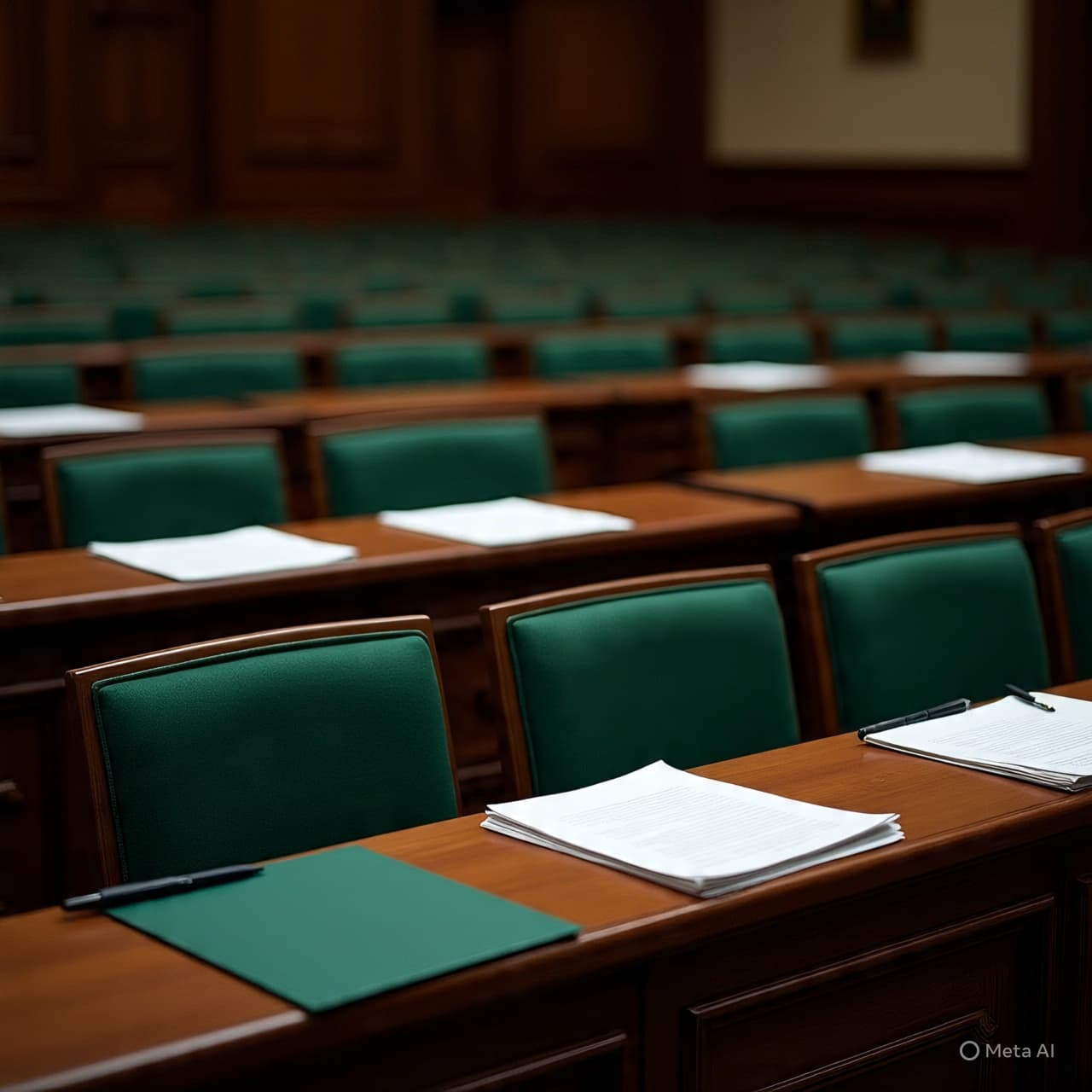
Critics of the current situation argue that the sight of empty benches during key debates undermines public confidence in the democratic process. They contend that MPs should be held accountable for their attendance, particularly during significant legislative discussions. Conversely, supporters of a more flexible approach argue that parliamentary work extends beyond the chamber, encompassing committee work, legislative drafting, and constituency advocacy that often occurs away from public view. Official attendance data, while available, does not always reflect the full scope of an MP's responsibilities.
The recent talks aimed to clarify standards for attendance and explore potential reforms, including stricter participation expectations and enhanced transparency for constituents. However, divisions persist over how to effectively measure commitment in a role that encompasses both local and national responsibilities. Some MPs caution against implementing rigid metrics that could oversimplify the complexities of civic engagement, while others stress that accountability begins with visibility in the chamber.
Beyond the walls of Westminster, the implications of absenteeism resonate with constituents in more personal ways. In communities across the UK, representation is often measured not by procedural language but by tangible actions—such as responding to letters, visiting schools, or advocating for local industries. Trust in elected officials is built on these interactions, and when constituents perceive a lack of engagement, even procedural disagreements can take on greater significance.
Despite the collapse of the latest negotiations, the issue of MP absenteeism remains on the agenda. Parliamentary authorities continue to publish voting and committee records, and party leaderships have internal mechanisms to encourage attendance. The Speaker's office has reiterated the importance of active participation in chamber business, especially during major legislative sessions. However, the broader consensus that negotiators sought to achieve remains elusive.
As the days grow shorter and winter descends upon the capital, the ebb and flow of attendance in the Commons will continue to reflect the rhythms of parliamentary debate. Democracy, by its nature, is uneven—its benches sometimes filled, sometimes empty. The focus now shifts from a single failed meeting to the ongoing challenge of balancing presence and responsibility in a complex political landscape. The green benches of the House of Commons await, embodying both tradition and the expectations of the public they serve.
Published by Banx Network. This article is part of the Banx decentralized media programme, powered by the BXE token on the XRP Ledger.



