
Key Highlights
- Australia is considering repatriating citizens from Syrian camps.
- Home Affairs Minister Tony Burke emphasizes security and humanitarian factors.
- Many children in the camps have never seen Australia, complicating repatriation efforts.
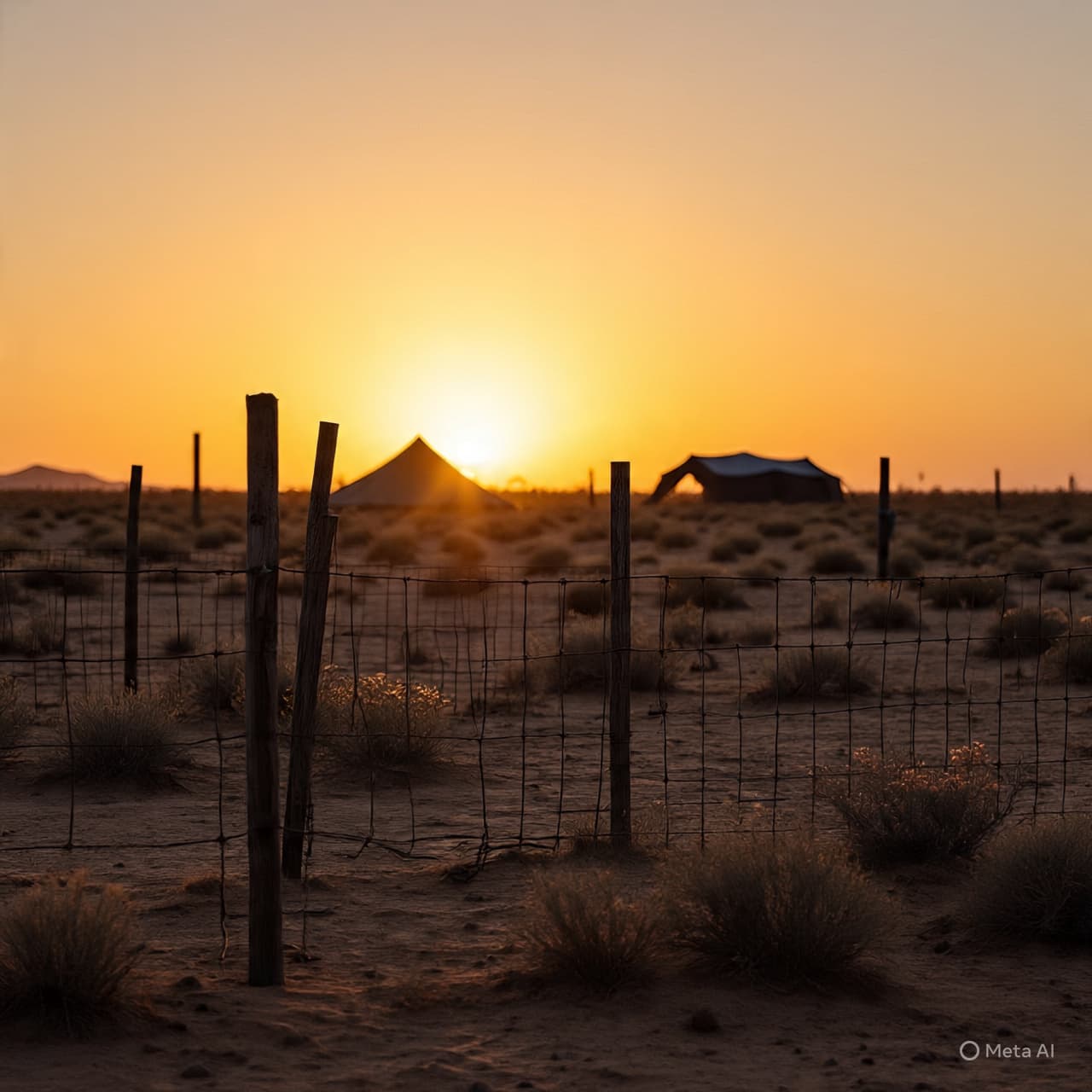
Australia's approach to repatriating its citizens from the conflict-ridden camps in northeastern Syria is marked by caution and deliberation. As the sun sets over these camps, where thousands of families are housed, the complexities of their situation become increasingly evident. Home Affairs Minister Tony Burke has stated that he is consulting with security agencies regarding the potential return of Australian women and children, a process that is both sensitive and fraught with challenges.
The families seeking repatriation are primarily connected to individuals who joined the Islamic State during its peak. Following the group's territorial collapse, many of these relatives found themselves in camps run by Kurdish authorities, which were initially intended to be temporary. As time has passed, these camps have become more permanent, and many children born there have never set foot in Australia, making their citizenship a concept rather than a lived experience.
In recent years, Australia has successfully repatriated small groups of women and children, balancing security risks with humanitarian obligations. Each repatriation has been carefully managed, with ongoing support and monitoring provided to those returning. However, many families remain in limbo, their cases stalled due to shifting intelligence and the volatile situation in the region. Burke's recent comments have brought these issues back into focus, highlighting the ongoing deliberations without providing a clear timeline for future actions.
The process of repatriation is not merely a political decision; it is a complex evaluation of individual circumstances. Security agencies are tasked with assessing the risks associated with each family, considering the pathways that led them to the camps and the implications of their return. Burke's reliance on expert advice underscores a methodical approach, prioritizing safety while acknowledging the humanitarian aspects of the situation.
Life in the camps is characterized by a slow passage of time, marked by subtle changes and the constant presence of uncertainty. Families wait for news from Australia, often receiving fragmented information that carries significant weight. The act of waiting has become a rhythm of life for many, as they navigate the complexities of their existence within the confines of the camps.
As discussions about repatriation continue, no definitive numbers or timelines have been established. What remains clear is that the question of return is still very much alive, lingering in the air between the decision-makers in Canberra and the families in the camps. The possibility of returning home exists, but it is tempered by the realities of the situation, leaving many to ponder what the future holds.
Published by Banx Network. This article is part of the Banx decentralized media programme, powered by the BXE token on the XRP Ledger.



