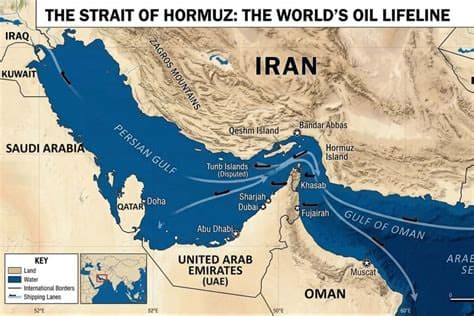
In the early hours when the horizon still bore faint indigo hues, a distant rumble shifted the quiet of nations into the uneasy pause of history being rewritten. Like storm clouds gathering before the first drop, the world watched with a mixture of dread and disbelief as two longtime adversaries — the United States and Israel — launched a coordinated military operation against Iran. What was once a series of simmering tensions became, in a matter of days, the theatre of open conflict. The sound of jets cutting through clear skies echoed across capitals, merging with foreign minister statements and urgent counsel from diplomats. Together, American and Israeli forces began strikes on Iranian territory, declaring objectives aimed at dismantling missile and nuclear capabilities while countering what they described as imminent threats to regional security. Casualties rose rapidly. Reports began to count the dead and wounded, with Iran estimating hundreds killed, including in tragic strikes on civilian locations like schools — numbers that have shocked global humanitarian observers. By mid-conflict, the shockwaves extended far beyond Tehran’s streets. Tehran’s Supreme Leader was reported killed in one of the first waves of offensive strikes — an assertion that reverberated from diplomatic corridors to family homes across the Middle East and beyond. Iran, for its part, vowed vigorous retaliation, launching missiles and drones toward Israel, U.S. military bases, and other strategic sites, drawing in a host of allies and proxies into the widening theatre of operations. In the days that followed, leaders of both Western and regional powers voiced support or alarm. U.N. representatives called for ceasefires and expressed deep concern for noncombatants. Energy markets trembled at the possibility of disruption in a critical chokepoint for global oil — ripples felt in distant cities and markets far from the battlefield. The human face of conflict cannot be measured in strategy alone. Civilians fled homes, families sought shelter, and nations monitored their nationals abroad, praying for safe passage and peace. The battle lines, though drawn in sand and steel, were etched just as deeply in the hearts of ordinary people caught between worlds. In this unfolding chapter, what began as distant echoes of diplomatic disagreement has become a loud chorus of consequences. Whether in the corridors of power or in the eyes of those who simply wish for an ordinary sunrise, the cost of war remains unmistakable.
AI Image Disclaimer (rotated wording)
“Visuals are created with AI tools and are not real photographs; they serve as conceptual depictions.”
---
Sources Based on Sources Role
Associated Press The Guardian Al Jazeera Reuters Washington Post
Published by Banx Network. This article is part of the Banx decentralized media programme, powered by the BXE token on the XRP Ledger.