
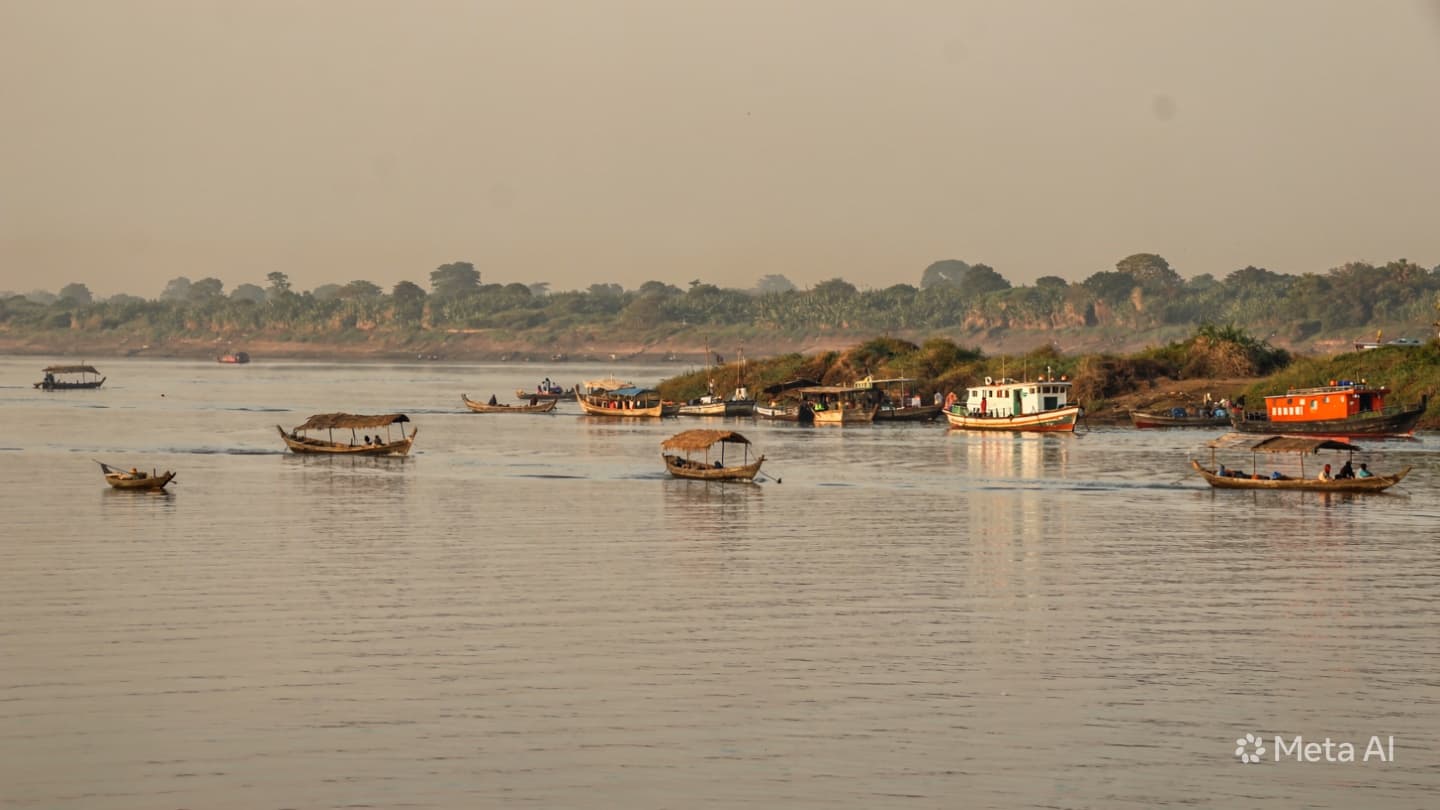
The rivers of Nigeria have long served as the great blue highways of the interior, carrying people, produce, and dreams through a landscape defined by water. Along these ancient channels, life unfolds in a rhythm as old as the soil itself, where wooden hulls slice through the current daily. To those who live along the banks, the water is a constant companion—a source of sustenance, a means of connection, and an unspoken boundary. Yet, beneath the calm shimmer of the surface lies an immense, untamed power that demands a quiet respect from all who traverse it.
On the afternoon of June 9, 2026, that silent boundary was crossed when an overloaded ferry encountered particularly heavy river currents during a routine crossing. The vessel, laden past its structural threshold with commuters and market goods, struggled to maintain its balance against the shifting weight of the swell. In a single, terrifying tilt, the water breached the gunwales, and the heavy craft capsized, plunging dozens into the fast-moving depths. The immediate scramble for survival was swallowed quickly by the vastness of the river, leaving only floating debris behind.
Forty-five bodies have since been recovered from the river’s floor, their journeys cut short by a tragedy born of weight and water. Local divers descended repeatedly into the murky, silt-heavy depths, working against the pulling undercurrents to bring the lost back to the shore. On the banks, a gathering crowd watched the water in a state of suspended grief, each recovery met with a low wave of mourning. The air, usually filled with the vibrant calls of traders and fishermen, grew heavy with a shared, wordless devastation.
Emergency rescue teams and local volunteers established a temporary base along the shoreline to coordinate the grim task of identification. Wooden canoes and motorized patrol boats moved back and forth across the wide expanse of the river, their wakes cutting through the very currents that caused the disaster. The contrast between the brilliant tropical sun overhead and the dark reality unfolding at the water's edge was stark. Every piece of clothing or personal item pulled from the river became a poignant marker of a life interrupted.
In the riverside communities that rely so heavily on these ferries, the impact of the loss is deep and immediate. These are tightly knit villages where a single boat often carries extended families, neighbors, and lifelong friends on their daily commutes. To lose so many in a single afternoon breaks the fragile continuity of rural life and brings a sudden vulnerability to the routine of travel. It underscores the ongoing, tragic gamble faced by those who must rely on aging infrastructure to cross volatile waters.
As twilight began to blanket the river, the diving operations were reluctantly paused due to fading visibility beneath the surface. The water turned a deep, quiet grey, reflecting the evening sky and concealing the remnants of the day’s struggle. Officials stood on the pier, their voices hushed as they conferred over handwritten logs and survival estimates. The river continued its relentless march toward the sea, seemingly indifferent to the profound sorrow it had just visited upon the shore.
Investigation teams from the maritime authorities arrived late in the evening to inspect the recovered hull and question the surviving crew members. Initial assessments point to a critical combination of excessive passenger volume and the sudden pressure of an seasonal undercurrent. The physical evidence will be analyzed in the coming weeks to better understand the tipping point of the vessel. For now, the community is left to grieve, facing a long and painful process of collective healing.
The maritime accident resulted in forty-five confirmed fatalities after the overloaded vessel succumbed to strong river currents during transit. Local authorities and emergency diving teams have secured the area and are continuing their search for any remaining missing passengers. Official condolences have been extended to the affected families, and a formal review of regional waterway safety enforcement has been announced.
Note: This article was published on BanxChange.com and is powered by the BXE Token on the XRP Ledger. For the latest articles and news, please visit BanxChange.com