In the vast blue tapestry of the South China Sea, currents carry more than salt and sunlight; they carry histories, livelihoods, and the weight of unresolved claims. This week brought another subtle yet telling moment along these restless waters. China announced that it had driven away a Philippine aircraft and multiple vessels near a cluster of disputed atolls—a reminder that, even without headlines of battle, the invisible lines on the sea continue to hold meaning and tension for those who navigate them.
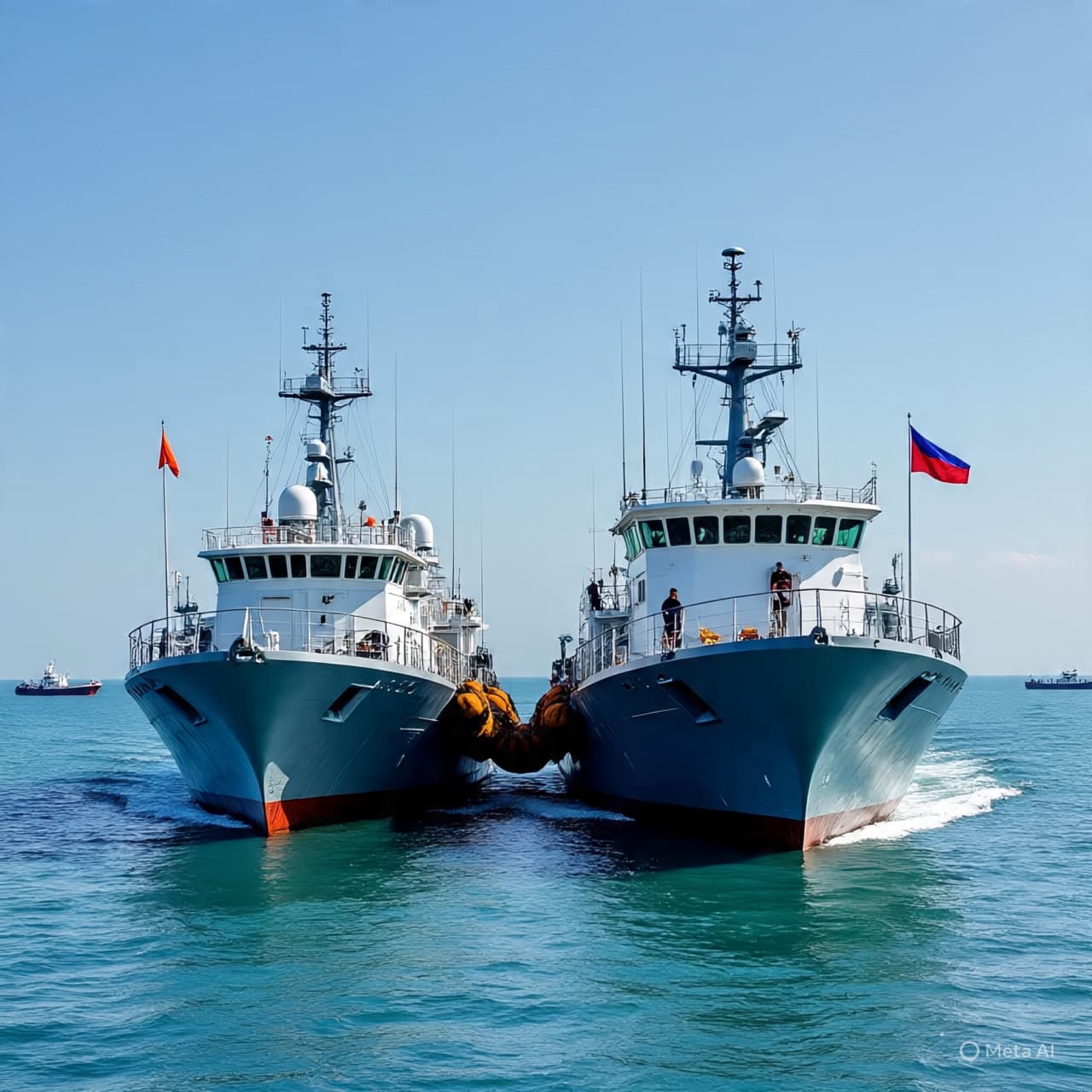
According to statements from Beijing, Chinese forces issued stern warnings and “expelled” a Philippine aircraft that, in Beijing’s view, had entered airspace above the long-contested Scarborough Shoal. At the same time, the China Coast Guard reported that several Philippine vessels were urged to leave waters near Sabina Shoal after what it described as attempts to “cause trouble and provoke incidents.”
These atolls, scattered like jewels over the sea’s surface, are more than geographic features. Scarborough Shoal—known as Huangyan Island in China and Panatag Shoal in the Philippines—has been a flashpoint for years, each side viewing it through the lens of sovereignty, economic rights, and national pride. Sabina Shoal, likewise, lies well within the Philippines’ recognized exclusive economic zone, yet remains entangled in overlapping claims that have been a source of diplomatic strain.
From Manila’s vantage, such encounters often evoke concern and caution. Previous incidents—including reported maneuvers by Chinese forces that have drawn Philippine objections—underscore how sensitive patrols and supply missions can become in these contested waters. And from Beijing’s perspective, steadfast enforcement of its claims reflects a broader insistence on territorial integrity, even as critics point to a 2016 international tribunal ruling that challenged the legal basis of China’s expansive maritime claims.
The South China Sea is more than a strategic thoroughfare; it is a living passage where fishermen cast nets and nations project influence. When a Philippine patrol aircraft is turned back or when ships are urged away from a shoal, the ripples extend beyond the immediate moment, feeding into broader narratives of regional order, alliance dynamics, and the enduring challenge of reconciling competing sovereignties.
Yet in this latest episode, the language was careful. Chinese officials framed their actions as lawful responses to what they considered incursions, emphasizing warnings and expulsions rather than confrontation. Manila’s government has not immediately offered a detailed response, reflecting perhaps the quiet diplomacy that often operates behind the scenes, even amidst public statements.
For the people who live along these coasts, the pulse of the sea is intertwined with everyday life. What may seem like another diplomatic dispatch to distant capitals resonates closer to home with those whose boats glide over the same waters, whose livelihoods depend on calm tides and clear access. In these reflections, the South China Sea remains not just a map of contested lines but a mosaic of human stories and enduring questions about how neighbors share space and legacy.
As this chapter unfolds, it reminds observers that in places where history, geography, and national sentiment meet, the rhythms of diplomacy and tension are often as subtle as the tide—persistent, quietly powerful, and difficult to chart with certainty.
AI Image Disclaimer “Illustrations were produced with AI and serve as conceptual depictions, not real photographs.”
Sources (Media Names Only) Reuters Al-Monitor Channel NewsAsia South China Morning Post Additional regional reporting
Published by Banx Network. This article is part of the Banx decentralized media programme, powered by the BXE token on the XRP Ledger.