
Key Highlights
- Balochistan's instability threatens China's economic investments in Pakistan.
- Recent violence underscores the region's complex political landscape.
- Pakistan's efforts to maintain strategic partnerships face significant challenges.
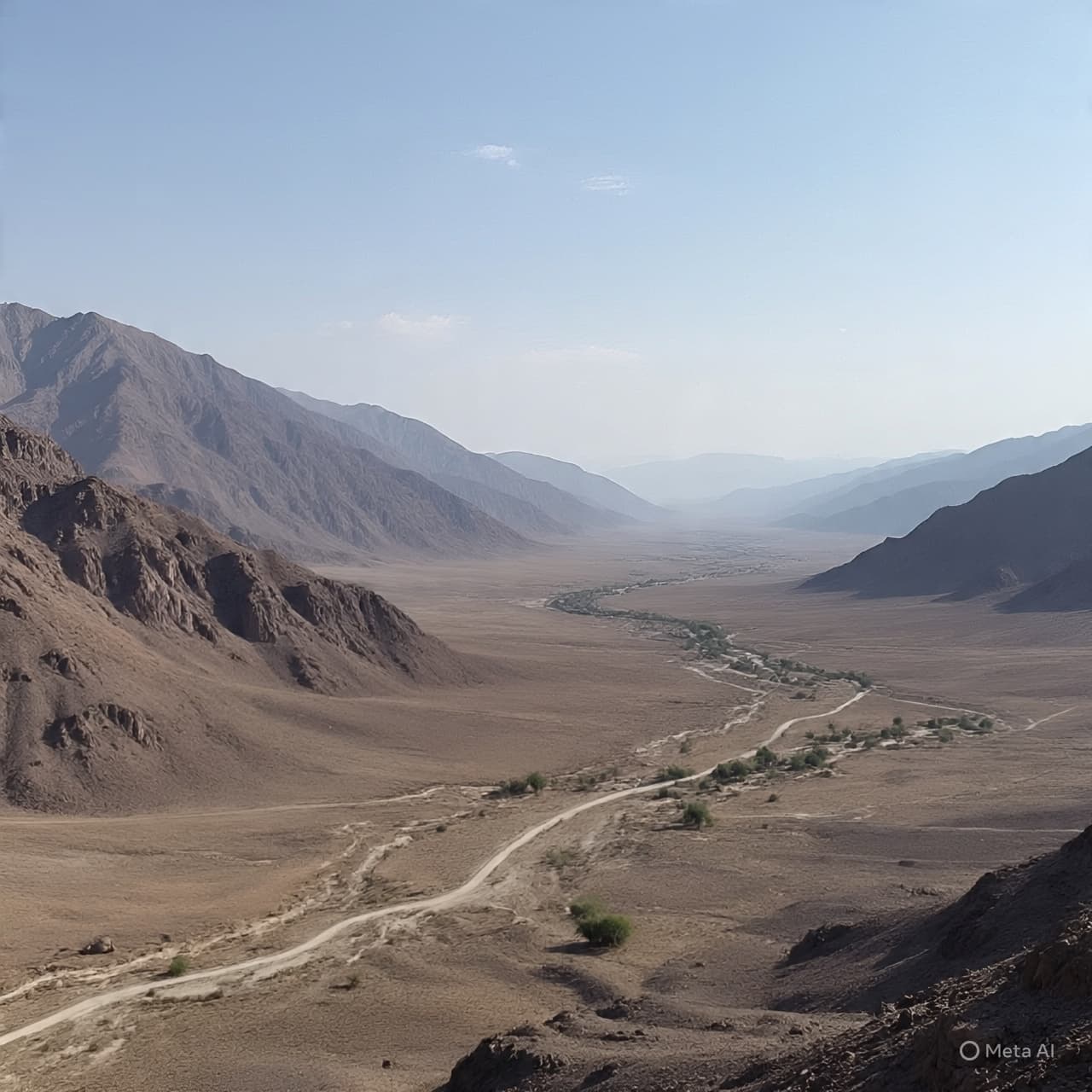
Balochistan, a vast province in southwestern Pakistan, is characterized by its rugged terrain and sparse population. This region, rich in resources, has become a focal point for both domestic and international interests, particularly as Pakistan seeks to enhance its economic ties with China through the China-Pakistan Economic Corridor (CPEC). However, the ongoing violence and unrest in Balochistan pose significant challenges to these ambitions, revealing the fragility of Islamabad's assurances to its partners.
Recent attacks in Balochistan have highlighted the precarious nature of security in the province, which is crucial for the success of CPEC. The infrastructure projects envisioned under this initiative, including roads, ports, and energy corridors, rely heavily on a stable environment. Yet, the persistent violence disrupts not only local communities but also the broader strategic calculations of both Pakistan and China. Each incident of violence reverberates through diplomatic channels, raising concerns about the safety of investments and the feasibility of development plans.
The paradox of Balochistan lies in its dual identity: it is both a resource-rich area and a politically marginalized region. Militants in the province often frame their actions as resistance against exploitation, while the Pakistani state labels these acts as terrorism that threatens national unity. This dichotomy creates a complex narrative where the local population finds itself caught between state security operations and the promise of development that often fails to materialize.
For China, Balochistan represents both an opportunity and a risk. The province is seen as a gateway for regional connectivity, but the ongoing violence raises critical questions about the safety of Chinese workers and the viability of projects. Confidence in the region is essential for the success of CPEC, and each attack chips away at that confidence, leading to a cautious approach from Beijing. While China publicly supports Pakistan, it is likely weighing its options privately, considering the implications of instability on its investments.
Pakistan's strategic positioning also extends to its relationships with Western powers, particularly the United States. As Islamabad seeks to portray itself as a reliable partner in matters of regional stability and counterterrorism, the ability to maintain control over Balochistan becomes increasingly important. The shifting political landscape in the U.S. adds another layer of complexity, as familiar figures reenter the political discourse, potentially impacting Pakistan's international standing.
However, the challenges in Balochistan cannot be resolved through military force alone. Historical evidence suggests that military responses often suppress symptoms of unrest without addressing the underlying causes. Development initiatives falter amid distrust and uneven resource distribution, leading to a cycle of resistance against state authority. The province's potential for economic growth remains untapped, as local grievances continue to simmer beneath the surface.
In Islamabad, government officials emphasize their commitment to stability and partnership, yet the reality on the ground tells a different story. Infrastructure can be rebuilt, and economic corridors can be expanded, but the legitimacy of the state remains a slow-moving process. Without addressing the deep-seated issues in Balochistan, Pakistan's promises to both Beijing and Washington will continue to rest on unstable ground.
Balochistan challenges the notion that stability can be imposed from above or negotiated abroad without engaging with the local population and their concerns. Until these tensions are acknowledged and addressed, the future of Pakistan's strategic ambitions in the region remains uncertain.
Published by Banx Network. This article is part of the Banx decentralized media programme, powered by the BXE token on the XRP Ledger.



