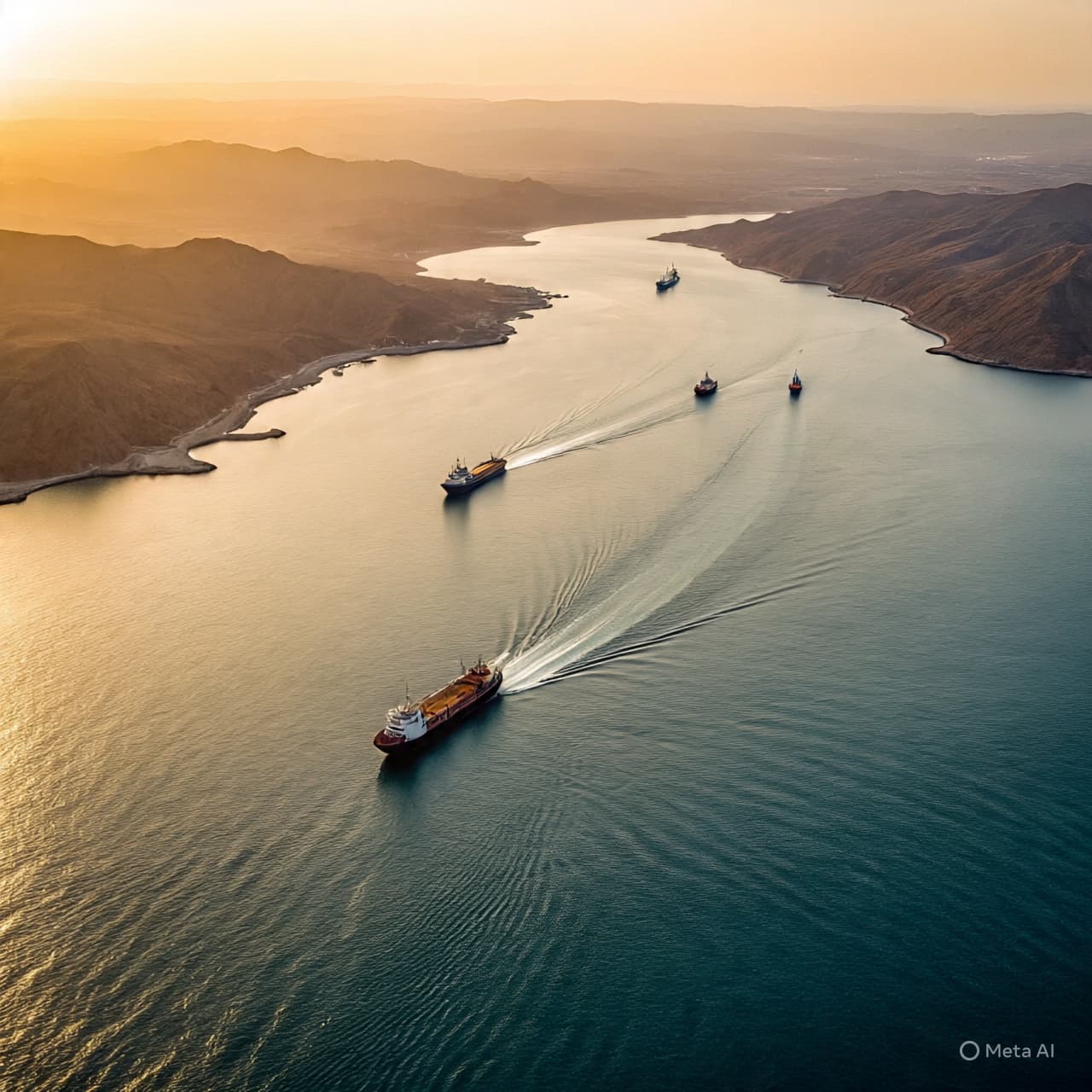
The sea between mountains often looks calm from a distance. In the narrow throat of water that curves between the Persian Gulf and the Gulf of Oman, tankers once moved like patient caravans, carrying the quiet weight of the modern world—oil, gas, and the fragile rhythm of global industry. Today, the currents of the Strait of Hormuz move differently, heavy with caution and watched by satellites, patrol boats, and the distant silhouettes of warships.
By the fifteenth day of the expanding conflict between the United States and Iran, the waterway has become less a passage and more a question mark stretching across the map. Mines are feared beneath the surface, drones hover somewhere beyond the horizon, and insurance premiums for ships have begun to climb like the tide itself. In this narrow maritime corridor—through which roughly one-fifth of the world’s oil normally flows—the steady choreography of global trade now pauses between uncertainty and calculation.
From Washington, a new call has echoed outward across the oceans. U.S. President Donald Trump has urged countries that rely on Gulf energy supplies to send warships to help secure the strait, suggesting that nations from Europe and Asia share a stake in keeping the passage open. The appeal reflects a widening realization: the strait’s safety is no longer only a regional matter but a hinge upon which global energy markets quietly swing.
The conflict itself has unfolded in widening circles. American strikes have targeted Iranian facilities including the vital oil-export hub on Kharg Island, while Iran has answered with drone and missile attacks across the region, striking infrastructure and signaling that the confrontation may ripple far beyond its original battlefield. Casualties have mounted, and diplomatic efforts to halt the violence have so far struggled to find a foothold.
Meanwhile, ships wait.
Some tankers drift outside the gulf, engines idling, as crews watch maritime alerts scroll across their screens. Others attempt cautious passages, guided by naval escorts or relying on fragile assurances of safety. Analysts warn that clearing potential mines or hidden threats in the strait could take months—work that involves divers, remote robots, and the slow patience of naval engineering.
Around the world, governments weigh their responses with quiet deliberation. France has already spoken of escort missions for commercial vessels, while other nations discuss similar measures behind closed doors. The language of diplomacy remains careful, but the geography of the crisis leaves little ambiguity: a narrow stretch of water has become the center of a widening conversation about security, energy, and the delicate balance between deterrence and escalation.
And so the strait endures—still, watchful, and crowded with meaning. Beneath the sunlit surface, currents continue their ancient motion between two coasts. Above them, however, the world now waits to see whether the passage will return to its quiet rhythm of commerce or remain a place where geopolitics gathers like distant thunder over the sea.
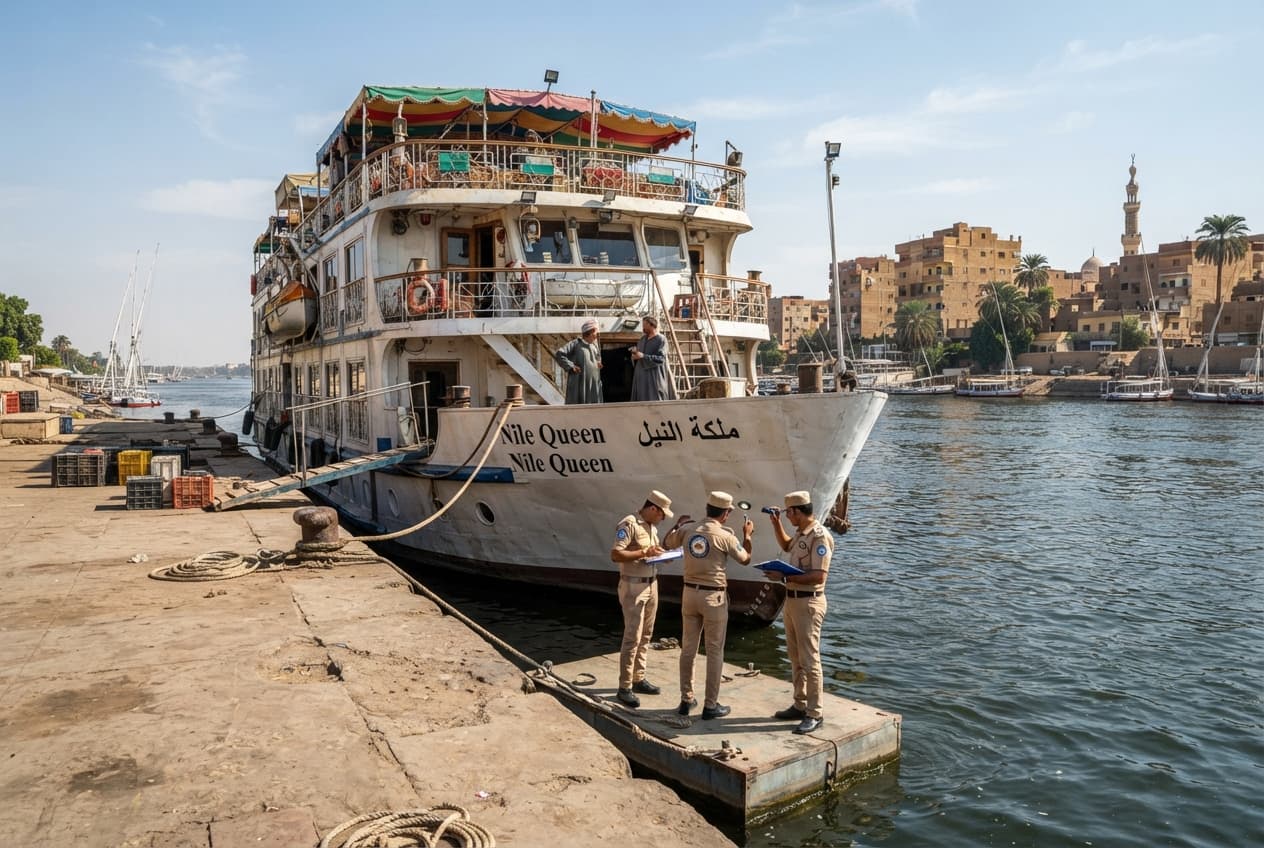
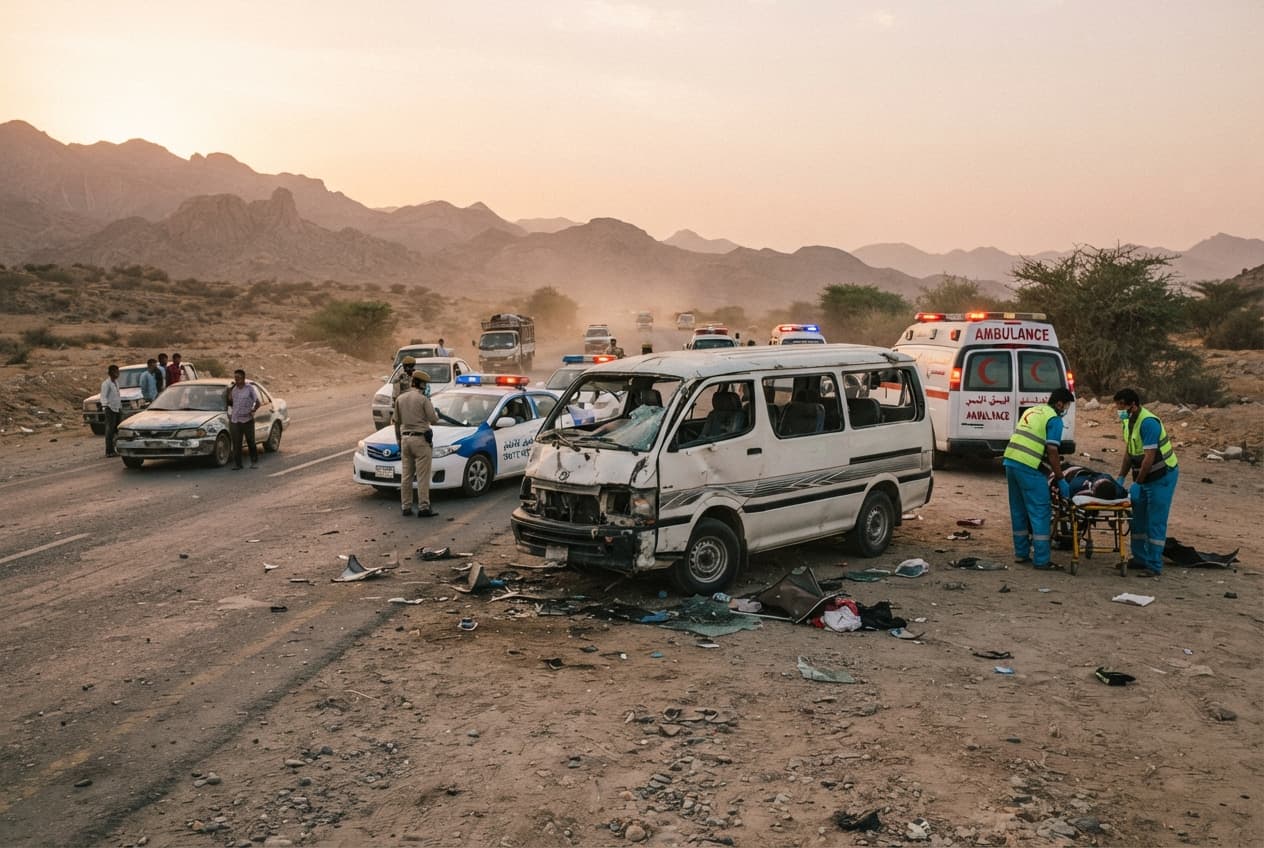
AI Image Disclaimer Illustrations were created using AI tools and are not real photographs.
Sources Reuters The Guardian The Japan Times Business Today The Times of India
Published by Banx Network. This article is part of the Banx decentralized media programme, powered by the BXE token on the XRP Ledger.