
Key Highlights
- The Strait of Hormuz is a critical maritime corridor for global oil trade.
- Tensions between the U.S. and Iran have escalated, prompting military responses.
- Countries are considering naval escorts for commercial vessels in the region.
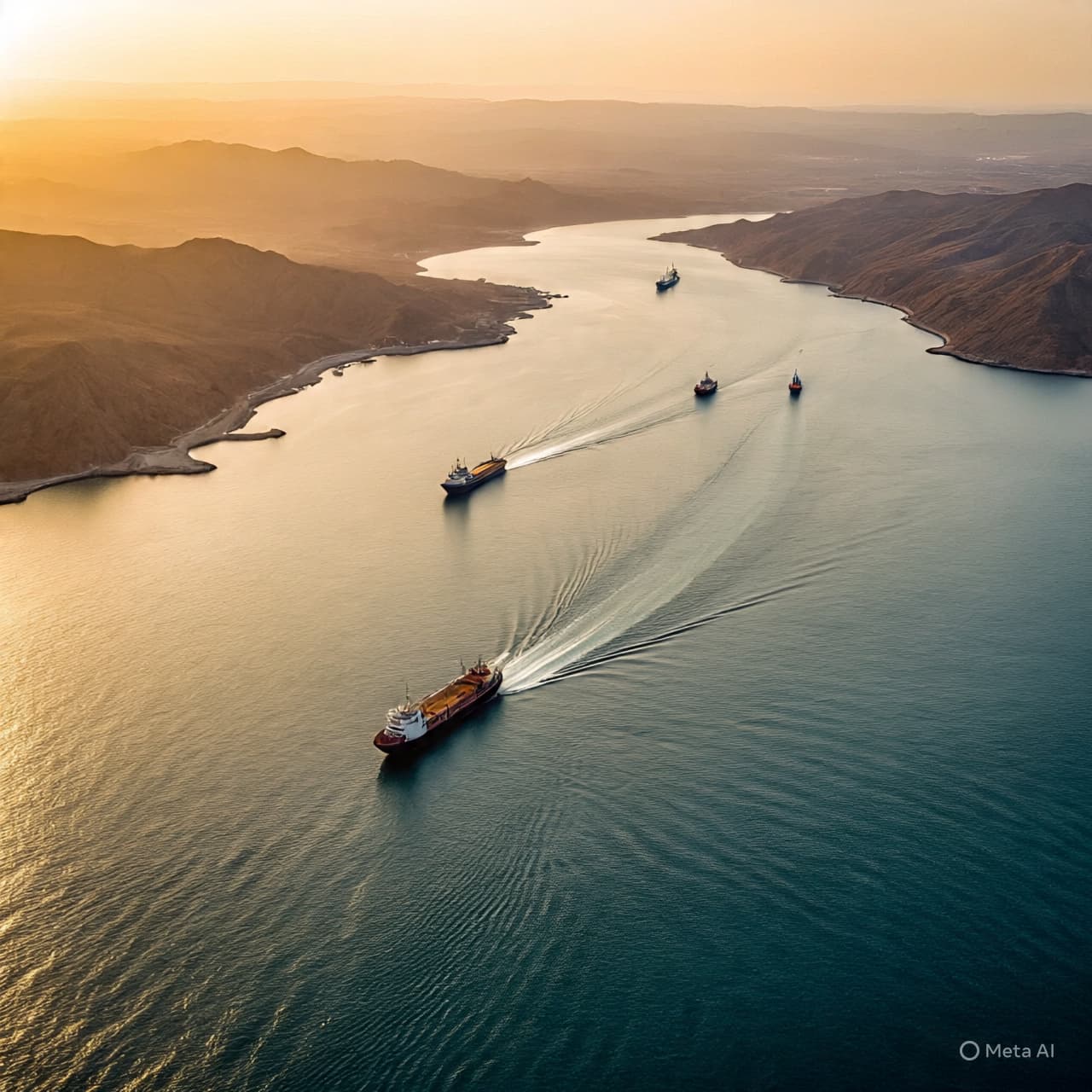
The Strait of Hormuz, a vital maritime passage connecting the Persian Gulf to the Gulf of Oman, has become a focal point of geopolitical tension as the conflict between the United States and Iran intensifies. This narrow waterway, through which approximately one-fifth of the world’s oil supply flows, is now fraught with uncertainty and danger. The once-bustling route for tankers is now marked by caution, with warships and surveillance drones patrolling the waters, reflecting the heightened state of alert.
As of mid-October 2023, the situation has escalated significantly, with U.S. President Joe Biden urging allied nations to contribute naval forces to secure the strait. This call to action underscores the global implications of the conflict, as the safety of this passage is no longer solely a regional concern but a critical issue affecting international energy markets. The U.S. administration's push for a multinational naval presence indicates a recognition that the stability of the Strait of Hormuz is essential for maintaining the flow of oil and gas to economies worldwide.
The conflict has seen American military strikes targeting Iranian facilities, including key oil-export hubs. In retaliation, Iran has launched drone and missile attacks, signaling a willingness to escalate the confrontation. The mounting casualties and the failure of diplomatic efforts to de-escalate tensions have left the situation precarious. Analysts warn that the potential for miscalculation remains high, with both sides poised for further action.
In response to the growing threat, commercial shipping has slowed significantly. Tankers are now seen idling outside the Gulf, with crews anxiously monitoring maritime alerts. Some vessels are attempting to navigate the strait under the protection of naval escorts, while others remain hesitant, fearing hidden mines or other dangers. Experts estimate that clearing the strait of potential threats could take months, involving complex operations with divers and advanced technology.
International responses are varied, with countries like France already discussing escort missions for commercial vessels. Other nations are reportedly considering similar measures, reflecting a collective concern over the safety of maritime trade routes. The language of diplomacy remains cautious, yet the urgency of the situation is palpable. The Strait of Hormuz has transformed from a mere passageway into a critical battleground for security, energy, and international relations.
As the world watches, the fate of the Strait of Hormuz hangs in the balance. Will it return to its role as a vital artery of commerce, or will it remain a site of geopolitical tension? The coming weeks will be crucial in determining the trajectory of this conflict and its broader implications for global trade and energy security.
Published by Banx Network. This article is part of the Banx decentralized media programme, powered by the BXE token on the XRP Ledger.



