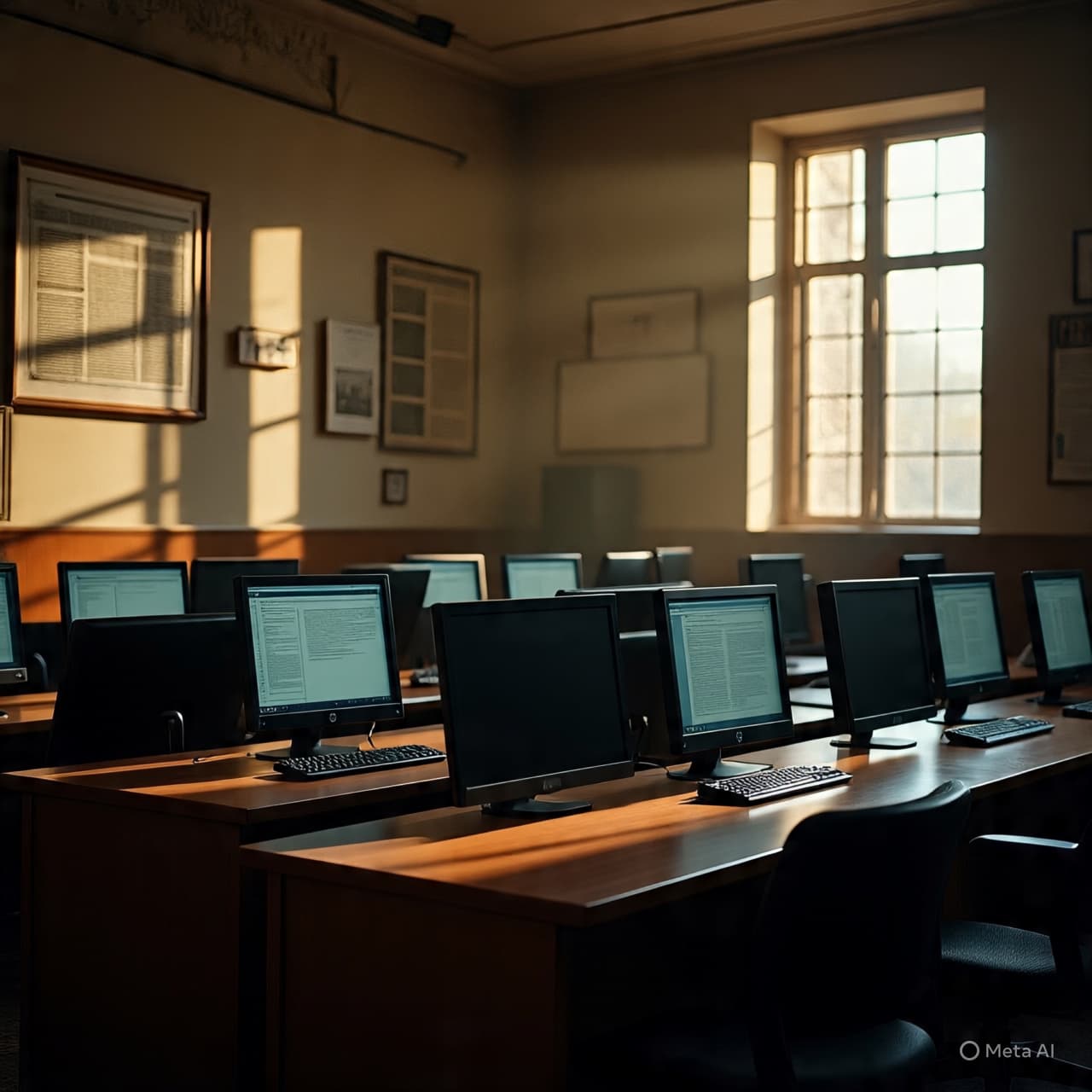
The late afternoon sun filters through the tall windows of newsrooms once bustling with the cadence of daily deadlines, settling softly on vacant chairs and silent keyboards. In spaces where stories unfurled and voices found their way to readers across distances, there now lingers a contemplative stillness — a sense that even the most storied institutions move through seasons of reckoning and renewal.
This was the atmosphere around The Washington Post as William “Will” Lewis, the newspaper’s publisher and chief executive, stepped down from his post. His departure came only days after a sweeping round of layoffs that affected nearly one‑third of the paper’s newsroom, a gesture intended to address financial pressures but felt by many within the industry as a profound transformation of the work itself.
Lewis, whose tenure began amid hopes of stabilizing a venerable institution in a rapidly shifting media landscape, offered a concise farewell in an internal message, suggesting that after two years of “transformation,” the moment was right to pass the helm onward. In the quiet wording of his note, gratitude was expressed toward The Post’s owner, and an underpinning belief in the newspaper’s enduring purpose was implied — even as the contours of its future remain in motion.
For journalists who stayed and those who walked out in recent days, that phrase “transformation” carries many tones: some hear it as necessary adjustment, others as the echo of choices that reshaped coverage, diminished sections of reporting, and narrowed the chorus of voices that once defined the newsroom’s rhythm. The layoffs that preceded Lewis’s exit pulled deeply at the fabric of daily news — from sports desks to foreign bureaus — prompting both internal dissent and public commentary about the role of legacy media in the broader conversation of civic life.
Amid these shifts, the paper’s union and a chorus of current and former staffers voiced sharp disappointment, urging not only a reversal of recent cuts but also a reconsideration of ownership’s direction for the institution. In this light, Lewis’s departure feels woven into larger questions about how journalism sustains itself financially and ethically in a time of compressed markets and heightened scrutiny.
In the calm that follows this chapter, the responsibility for shaping what comes next has been entrusted, at least temporarily, to the paper’s chief financial officer, stepping into the role of interim publisher and chief executive. It is a pause, a breathing space before new strategies and stories take form, and a reminder that even the oldest institutions ebb and flow with the times.
The legacy of these days will be measured not only in the pages published but in the quiet corridors where decisions were made, and in the hearts of those who left and those who remain, attentive to the enduring task of telling the stories that shape the world.
AI Image Disclaimer
Illustrations were created using AI tools and are not real photographs.
Sources (Media Names Only)
Reuters Associated Press The Guardian CBS News Variety
Published by Banx Network. This article is part of the Banx decentralized media programme, powered by the BXE token on the XRP Ledger.