
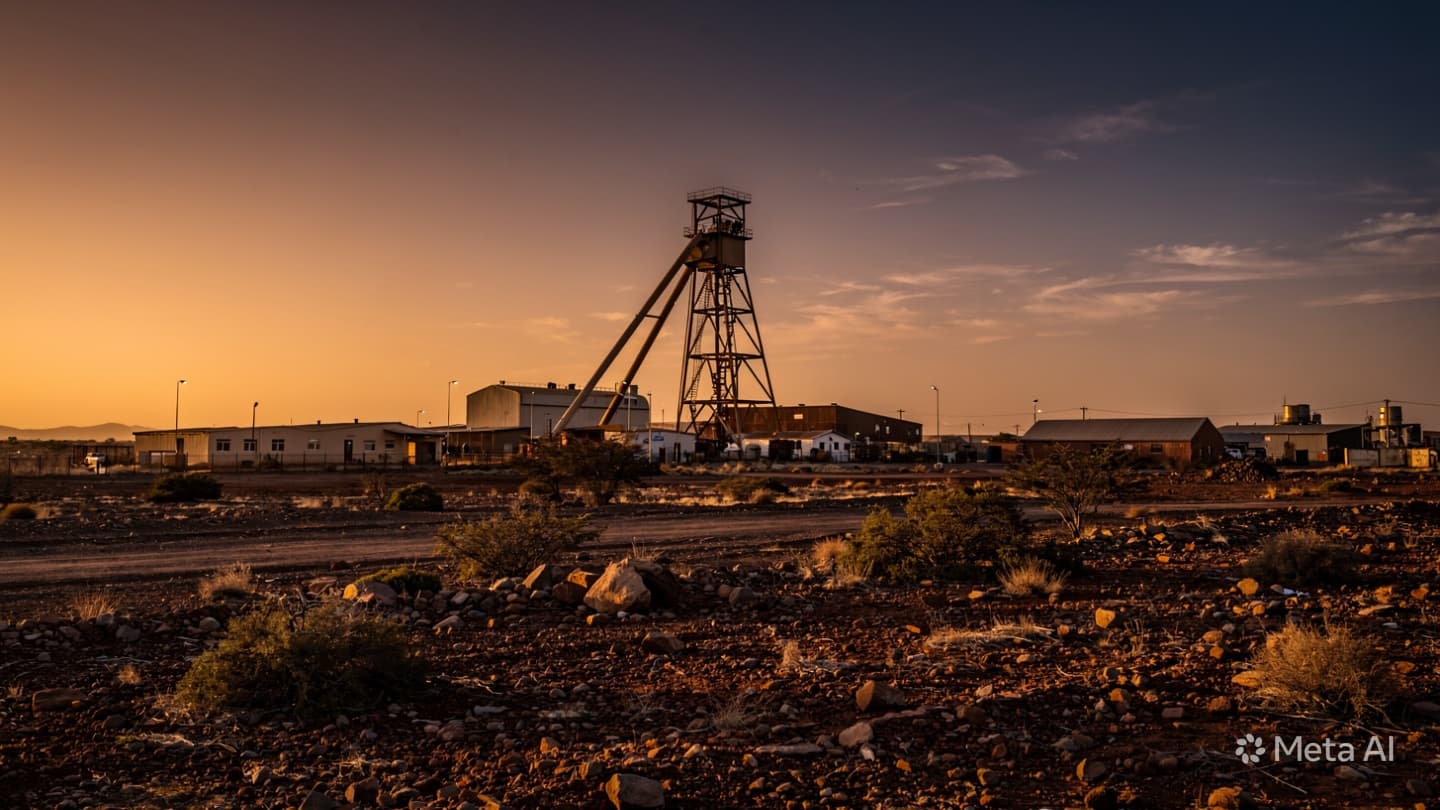
The mining landscapes of South Africa are defined by a profound duality, where the flat, sun-baked expanse of the surface sits directly above a labyrinth of dark, subterranean industry. For generations, crews of miners have descended daily into the deep shafts, leaving the warmth of the day behind to labor within the narrow seams of the earth. In these underground corridors, life is measured by the steady hum of ventilation fans and the heavy thud of machinery extracting the wealth of the stone. It is a world completely insulated from the seasons, where survival depends entirely on the timber and steel beams that hold the roof at bay.
On the morning of June 9, 2026, that subterranean equilibrium failed within an active section of an underground coal mine. Without warning, a critical section of the support infrastructure gave way, leading to a localized structural collapse that brought tons of stone and coal crashing into the tunnel. The collapse was instantaneous, a sudden roar of shifting earth that choked the airway and cut off all communication with the shift crew working the face. Within seconds, a space of structured labor was transformed into an inaccessible tomb of fractured rock and dense dust.
Fourteen miners were trapped beneath the immediate volume of the fall, their lives ending in the deep darkness far beneath the surface. For the rescue teams who mobilized at the surface, the descent into the shaft was met with a heavy sense of urgency and foreboding. Working their way through the narrow, dust-choked tunnels, the proto teams encountered highly unstable conditions, where every loosened rock threatened to trigger a secondary collapse. They labored in near-total darkness, guided only by the beams of their headlamps cutting through the lingering haze of pulverized stone.
At the pithead, a quiet gathering of family members and fellow miners began to form, their eyes fixed on the elevator cage that traveled up and down the main shaft. The atmosphere was one of suspended animation, a heavy silence that filled the industrial courtyard as the hours ticked slowly away. The contrast between the bright, winter sunshine of the Highveld and the dark struggle unfolding hundreds of meters below was absolute. Every time the cage rose, a ripple of quiet anxiety passed through the crowd, searching for any sign of hope.
By afternoon, the grim reality became clear as rescue teams began the delicate process of bringing the fourteen lifeless bodies back to the surface. The walk from the shaft station to the medical tent was conducted in absolute silence, out of respect for those who had perished in the deep. The tools of the miners, left behind in the chaotic scramble, remained as mute witnesses to a routine broken in an instant. The community, long accustomed to the inherent risks of the extraction industry, felt the familiar, heavy weight of collective grief settle over the township.
The investigation into the collapse will focus heavily on the structural integrity of the pillars and the geological stability of the specific coal seam. Mine safety experts and government inspectors moved into the shaft to examine the margins of the fall, mapping the stress fractures in the surrounding stone. The physical data gathered from the site will be crucial in understanding whether seismic activity or material fatigue led to the failure. For the families, however, the technicalities of the rock mechanics offered small comfort against the reality of an empty home.
As night fell over the mining complex, the operations shifted from active recovery to the long-term stabilization of the affected tunnels to prevent further structural degradation. The tall headgear of the mine stood silhouetted against the dark sky, its wheels turning slowly as the last of the day shift was cleared from the lower levels. There were no public expressions of anger from the crowd, only a quiet, dignified mourning for the fourteen men who had gone underground to earn a living and had not returned.
The underground mining incident resulted in fourteen confirmed fatalities following a localized roof collapse during the morning shift operations. Specialized rescue teams have successfully recovered all individuals from the affected sector and have ceased active recovery maneuvers. A formal inquiry has been instituted by the Department of Mineral Resources to evaluate safety compliance and determine the underlying cause of the structural failure.
Note: This article was published on BanxChange.com and is powered by the BXE Token on the XRP Ledger. For the latest articles and news, please visit BanxChange.com