
Key Highlights
- Maritime tensions in the Gulf are affecting global shipping routes.
- Rising fuel and fertilizer costs are impacting farmers worldwide.
- Analysts warn of potential long-term effects on food prices.
Maritime tensions are increasingly influencing agricultural markets, as disruptions in shipping routes lead to rising costs for farmers across the globe. The ongoing crisis in the Persian Gulf, a critical maritime chokepoint, has begun to ripple through supply chains, affecting everything from fuel prices to fertilizer availability. As tensions escalate, the implications for food production and pricing are becoming more pronounced.
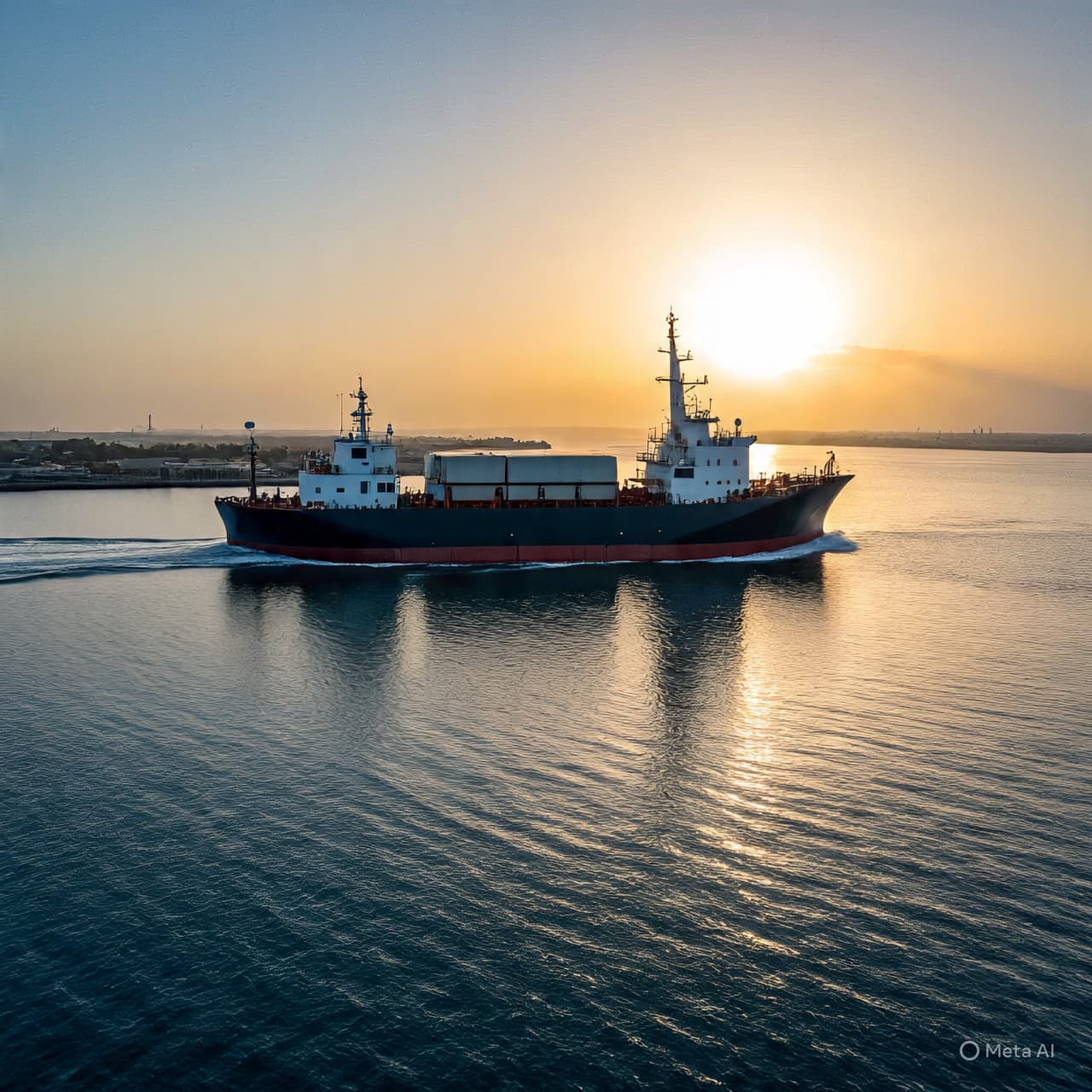
The Strait of Hormuz, a vital passage for oil and liquefied natural gas, is at the center of this maritime crisis. Any instability in this region can lead to immediate reactions in global energy markets. Shipping insurers raise premiums, and freight companies may reroute vessels or delay departures, all of which contribute to rising costs. For farmers, these changes translate into higher expenses for fuel and fertilizers, essential components of modern agriculture.
Farmers are now faced with tough decisions as they navigate these rising costs. Many are reconsidering how much land to plant, how much fertilizer to use, or whether to absorb the increased costs in hopes that market prices will rise accordingly. The agricultural sector is particularly vulnerable to these fluctuations, as it relies heavily on energy for operations, from powering tractors to producing nitrogen-based fertilizers.
Economists and agricultural analysts are sounding alarms about the potential long-term effects of these maritime tensions on global food markets. The concern is not just about immediate shortages but rather a gradual accumulation of costs that could spread through the supply chain. This includes impacts on shipping companies, grain traders, processors, and ultimately, grocery prices.
Grain shipments, which are crucial for food security, also depend on the stability of maritime routes. Wheat from the Black Sea, rice from Asia, and fertilizers from the Middle East all traverse these critical shipping lanes. Recent reports of military exchanges and heightened naval patrols have prompted some shipping companies to adjust their operations, adding war-risk surcharges to vessels operating in affected waters. While these measures aim to ensure trade continuity, they also contribute to increased shipping costs.
For farmers in developing economies, the pressure from rising costs can be immediate and severe. Increased fuel prices affect irrigation and transportation, while higher fertilizer costs can limit crop yields. In regions where agriculture is the backbone of the economy, even slight increases in production costs can have significant repercussions for entire communities.
The interconnectedness of global trade means that a farmer in the American Midwest, a rice grower in Southeast Asia, and a wheat producer in North Africa are all affected by the same maritime tensions, even if they are unaware of the specific events occurring in the Gulf. The consequences of these tensions can travel across continents, impacting food prices and availability.
Currently, global food markets remain stable, buoyed by existing inventories and ongoing harvests. However, analysts caution that if disruptions in energy shipping lanes persist, the agricultural landscape could face significant changes in cost structures. The story of food production is complex and often begins far from where it is consumed, highlighting the intricate web of global trade that underpins our food systems.
Published by Banx Network. This article is part of the Banx decentralized media programme, powered by the BXE token on the XRP Ledger.



