
Key Highlights
- Renewable energy investments are surging globally, driven by demand.
- Solar and wind energy projects are leading the way in capital attraction.
- Energy storage technology is becoming essential for grid reliability.
The search for energy has always shaped economic history, from the age of steam to the era of electricity. Today, a new chapter is unfolding as renewable energy projects attract increasing attention from investors around the world. In the United States, solar, wind, and energy-storage developments continue to draw significant capital, reflecting confidence in the long-term role of clean energy within the global economy.
Investment in renewable energy has accelerated as businesses and governments seek diversified energy sources capable of supporting future demand. Large-scale projects across multiple states have expanded generating capacity while creating opportunities for construction firms, technology providers, and infrastructure developers. This shift is not merely a trend; it represents a fundamental change in how energy is produced and consumed.
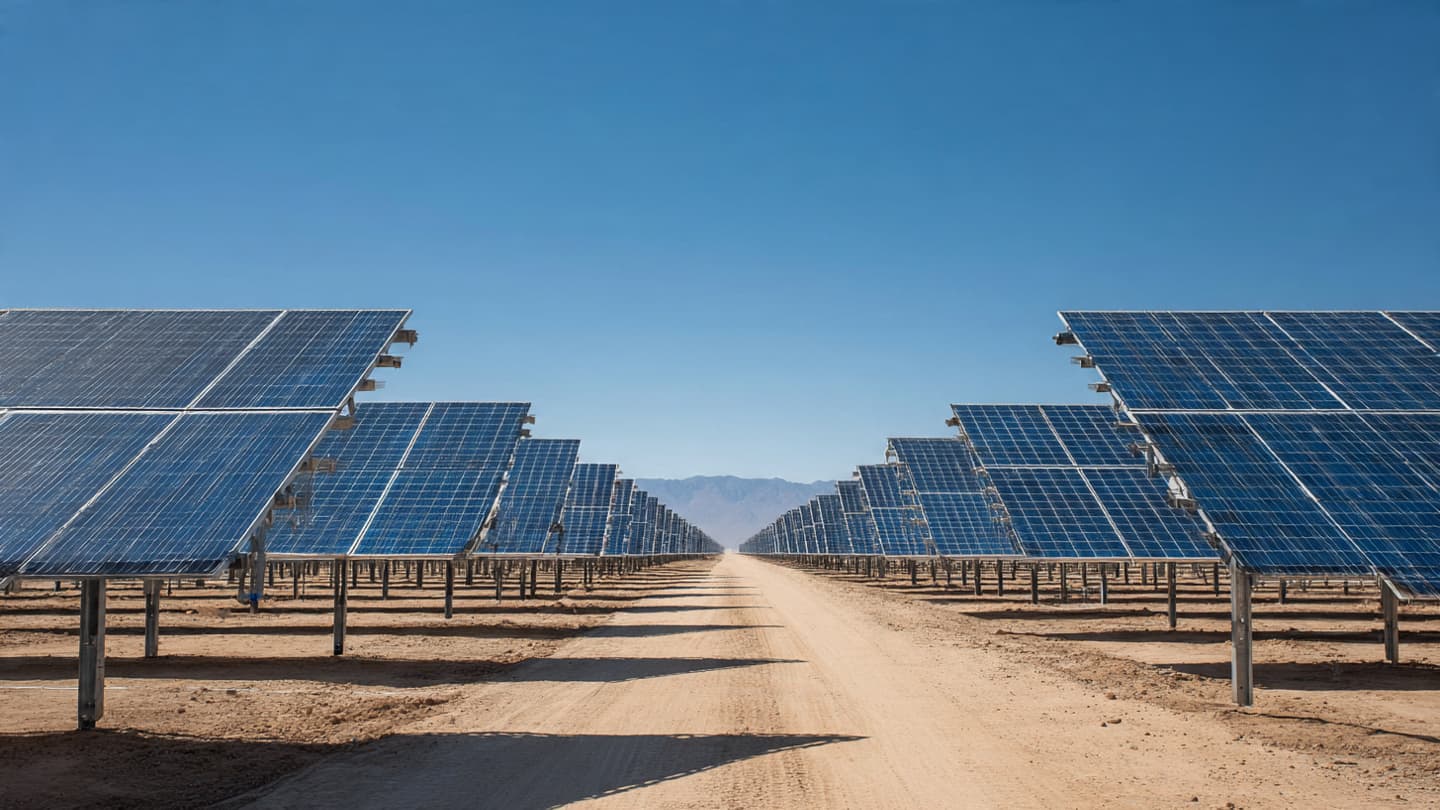
Solar energy remains one of the most active areas of investment. Improvements in efficiency and declining technology costs have made solar projects increasingly attractive. Utility-scale installations are being developed alongside smaller commercial and residential systems, contributing to broader adoption. According to recent reports, the cost of solar energy has dropped by nearly 90% over the last decade, making it one of the most cost-effective energy sources available today.
Wind energy continues to play an important role as well. Onshore and offshore projects are expanding generation capabilities while supporting regional economic activity. The sector has become an important source of investment and employment in numerous communities. In fact, the American Wind Energy Association reported that wind power now accounts for over 8% of the total electricity generation in the U.S., a significant increase from previous years.
Energy-storage technology has emerged as another key focus. Advanced battery systems help improve grid reliability by storing electricity generated from renewable sources. Investors view storage infrastructure as an essential component of future energy networks, enabling more flexible and resilient operations. The global energy storage market is expected to grow significantly, with estimates suggesting it could reach $620 billion by 2027.
International investors are increasingly participating in these projects. Renewable energy assets are often viewed as long-term investments capable of generating stable returns. The growing flow of capital reflects confidence in the sector’s future growth potential. Notably, the World Bank has projected that emerging cities could attract up to $29 trillion in climate investments over the next decade, highlighting the vast opportunities available in this sector.
The economic benefits extend beyond energy production itself. Construction, engineering, manufacturing, and technology industries frequently participate in renewable energy developments. These projects can stimulate local economies while supporting innovation and workforce development. As new facilities come online and investment continues to grow, the renewable energy sector remains a significant area of economic activity.
Analysts note that energy demand is expected to continue increasing as economies expand and digital technologies require additional power. Renewable energy projects may therefore play an increasingly important role in meeting future needs while diversifying energy portfolios. The ongoing commitment of global capital suggests that investors see clean energy not merely as a trend but as a lasting component of the modern energy landscape.
Published by Banx Network. This article is part of the Banx decentralized media programme, powered by the BXE token on the XRP Ledger.



