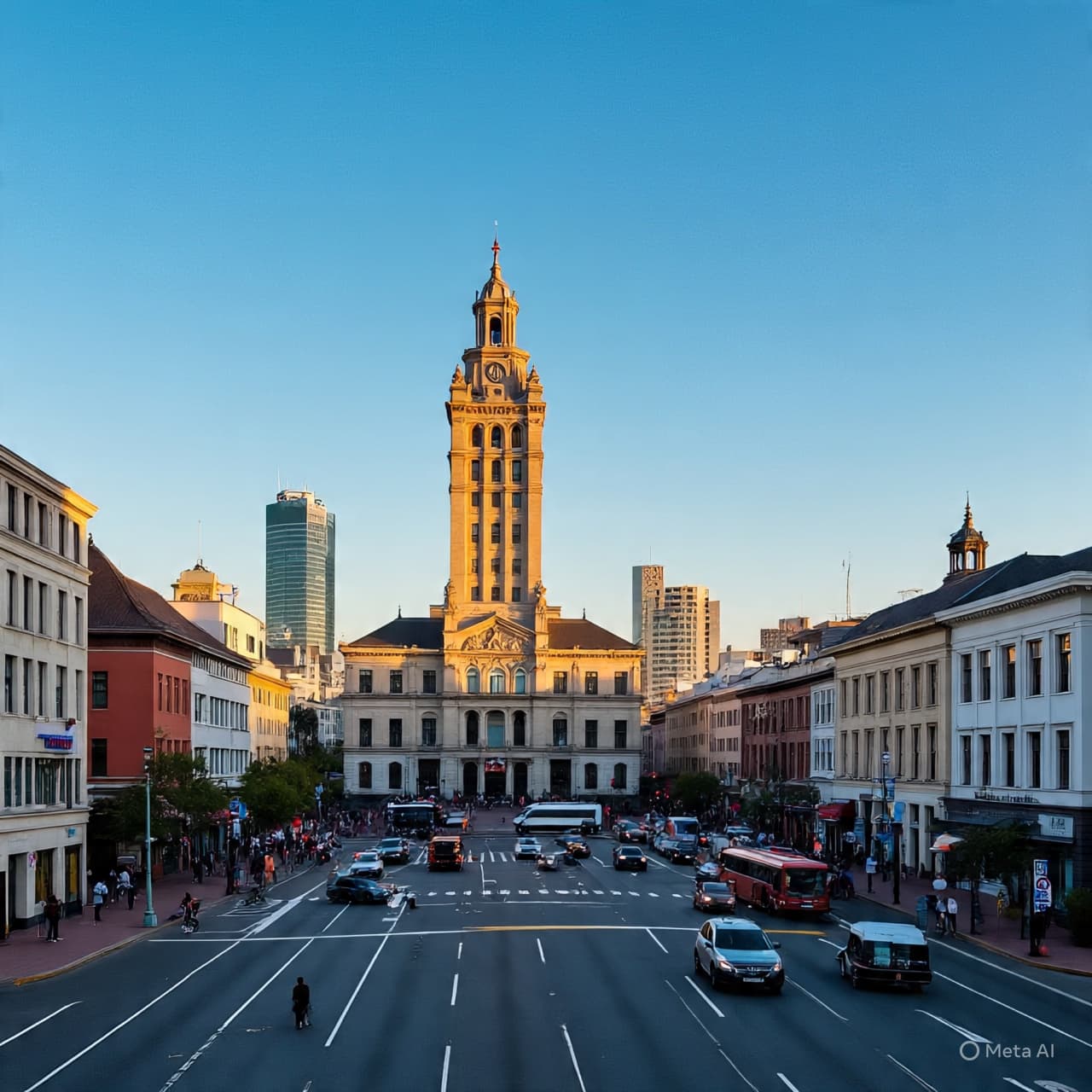
In the gentle warmth of a KwaZulu‑Natal afternoon, the city of Pietermaritzburg rises with a cadence that carries both history and aspiration. Here, the winding streets and wider boulevards seem to breathe with the stillness of place and the motion of community, folding the clatter of daily life into the quiet promise of tomorrow.
For the municipality that cradles this city, recognition has come in a way that speaks subtly of both effort and expectation. At a recent provincial celebration of municipal excellence, teams from the Msunduzi Municipality were honored for contributions that, on paper, reflect careful planning and collaborative governance. Awards acknowledged achievements in integrated development planning, coordination with traditional leadership structures, and sound financial oversight that earned a clean audit on “Safe City” operations. Such accolades arrive as artifacts of process—documents, decisions, and deliberations distilled into symbols of achievement.
In corridors where strategy meets daily life, residents noticed. For some, the feeling of progress lies in maps of plans and the recognition bestowed at official ceremonies; for others, it is embedded in the hum of streetlights, the punctuality of refuse collection, and the steady flow of water through taps. These are the rhythms that define experience more intimately than any certificate on a wall. Conversations under shaded verandas and along the city’s quieter lanes reflect both pride in recognition and a longing for tangible improvement in the everyday.
The story of service delivery in places like Pietermaritzburg is shaped not only by award ceremonies but also by the measured march of municipal planning. Over recent years, efforts to refine the Integrated Development Plan have seen Msunduzi’s planning move steadily upward in provincial rankings—a gradual climb from lower standings to a place among the top performers for the 2025/26 financial year. Officials speak of this as a signal of improved alignment between strategy and service, a foundation upon which the city hopes to build in years to come.
Yet, in everyday experience, the streets retain their own language. Conversations often turn to potholes that catch the morning light in unexpected pools, the uneven hum of infrastructure in northern suburbs, and the tension between recognition and the lived reality of service on the ground. These reflections do not diminish the honor; they complicate it with a broader awareness that progress—when it arrives—is measured by both planning and presence.
In this interplay of document and experience, of accolade and aspiration, Pietermaritzburg stands at a quiet threshold. The notions of excellent service delivery, as celebrated in halls and presented with praise, become part of a larger story—one that folds the intentions of governance into the everyday life of those who walk its streets, visit its markets, and watch the dusk settle over its skyline.
Msunduzi Municipality received three awards at the KwaZulu‑Natal Municipal Excellence Awards, including recognition for integrated development planning and sound financial governance. The accolades were presented by the KwaZulu‑Natal Department of Cooperative Governance and Traditional Affairs. Investigations into the lived impact of service delivery continue to shape public discourse.
AI Image Disclaimer
Visuals are AI‑generated and serve as conceptual representations, not real photographs.
Sources
IOL The Witness Daily Investor TimesLIVE SABC News
Published by Banx Network. This article is part of the Banx decentralized media programme, powered by the BXE token on the XRP Ledger.