
Key Highlights
- Hungary's upcoming elections are marked by renewed scrutiny of Viktor Orbán.
- Economic concerns and public sentiment are shifting the political landscape.
- The opposition is showing signs of coordination, presenting a unified front.
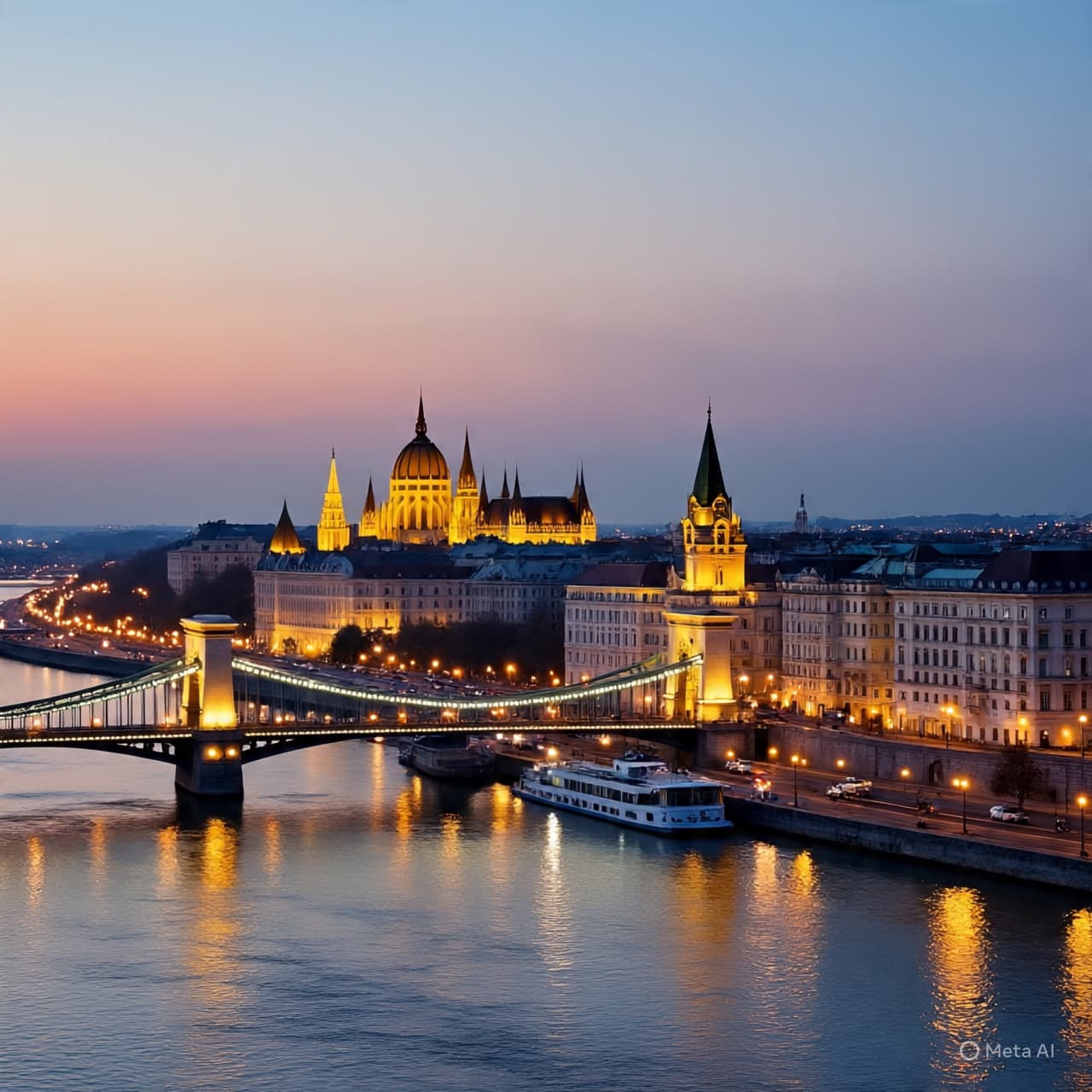
In the long light of a Central European evening, where the Budapest skyline reflects softly across the Danube, politics often feels like a slow-moving current—steady, familiar, and yet always capable of shifting direction. The city’s bridges, linking one bank to another, seem to mirror a broader tension: connection and division held in delicate balance.
As Hungary approaches its elections, Prime Minister Viktor Orbán faces a moment of renewed scrutiny. For over a decade, Orbán has shaped the country’s political landscape, building a system that blends national identity with centralized authority. However, the political climate is less certain than in years past, as subtle pressures begin to alter the contours of his long-established governance.
The unfolding vote is being observed with particular attention by conservative circles in the United States. Orbán has become a figure of reference for some on the American right, with his policies and rhetoric reflecting broader ideological currents. This election carries significance that extends beyond Hungary's borders, becoming part of a wider conversation about governance and political direction.
At home, the dynamics are more immediate and grounded. Economic concerns, public sentiment, and the presence of opposition voices contribute to a landscape that feels more contested than before. Issues such as inflation and the cost of living form the quiet background against which the vote will take place. These are not dramatic shifts, but gradual accumulations—small changes that, together, influence the mood of a nation.
The opposition, historically fragmented, has shown signs of coordination, attempting to present a more unified alternative to Orbán's long tenure. Their efforts introduce a different rhythm into the political environment, contrasting with the continuity of Orbán's governance. Whether this new rhythm resonates widely enough remains an open question, carried forward into the ballot itself.
For observers in the United States, this moment invites reflection as much as anticipation. The connection to Hungary is not direct, yet it is symbolic, shaped by shared narratives and ideological affinities. Watching from afar, there is a sense of cautious interest—an awareness that the outcome may echo within their own political discourse, even if only indirectly.
Within Hungary, the election unfolds in quieter ways. Campaign messages, local conversations, and the routines of daily life continue alongside the broader political narrative. For many, the vote is less about symbolism and more about tangible realities—about direction, stability, and the practical implications of leadership.
There is also a broader European context to consider. Hungary’s position within the European Union adds another layer to the moment, as relations between Budapest and Brussels have often been marked by tension. The election may influence not only domestic policy but also the tone and trajectory of these ongoing interactions.
As the day of voting approaches, the atmosphere remains measured rather than dramatic. There are no sudden ruptures, only the steady accumulation of expectation. It is a moment shaped by continuity and possibility, by the interplay of established power and emerging challenge.
When the ballots are counted, the outcome will offer clarity of a certain kind. Yet even then, the deeper currents—those of identity, governance, and alignment—will continue to move beneath the surface. Elections, after all, are not endpoints, but points along a longer path.
And so, along the banks of the Danube, the city waits. The lights will come on as they always do, reflecting across the water, steady and unchanged. But beneath that familiar glow, something quieter is unfolding—a test not only of leadership, but of the subtle, shifting balance that defines a nation in motion.
Published by Banx Network. This article is part of the Banx decentralized media programme, powered by the BXE token on the XRP Ledger.



