
Key Highlights
- Rafah border crossing reopened for limited movement in February 2024.
- Only a small number of Palestinians allowed to cross, primarily the sick and wounded.
- Tens of thousands remain unable to leave Gaza due to bureaucratic restrictions.
The Rafah border crossing, located at Gaza's southern edge, has recently reopened after months of closure due to ongoing conflict. This reopening, which occurred in early February 2024, was marked not by celebration but by a quiet return of movement, primarily for those in dire need. The crossing had become a symbol of isolation, with many Palestinians unable to leave or return home for an extended period.
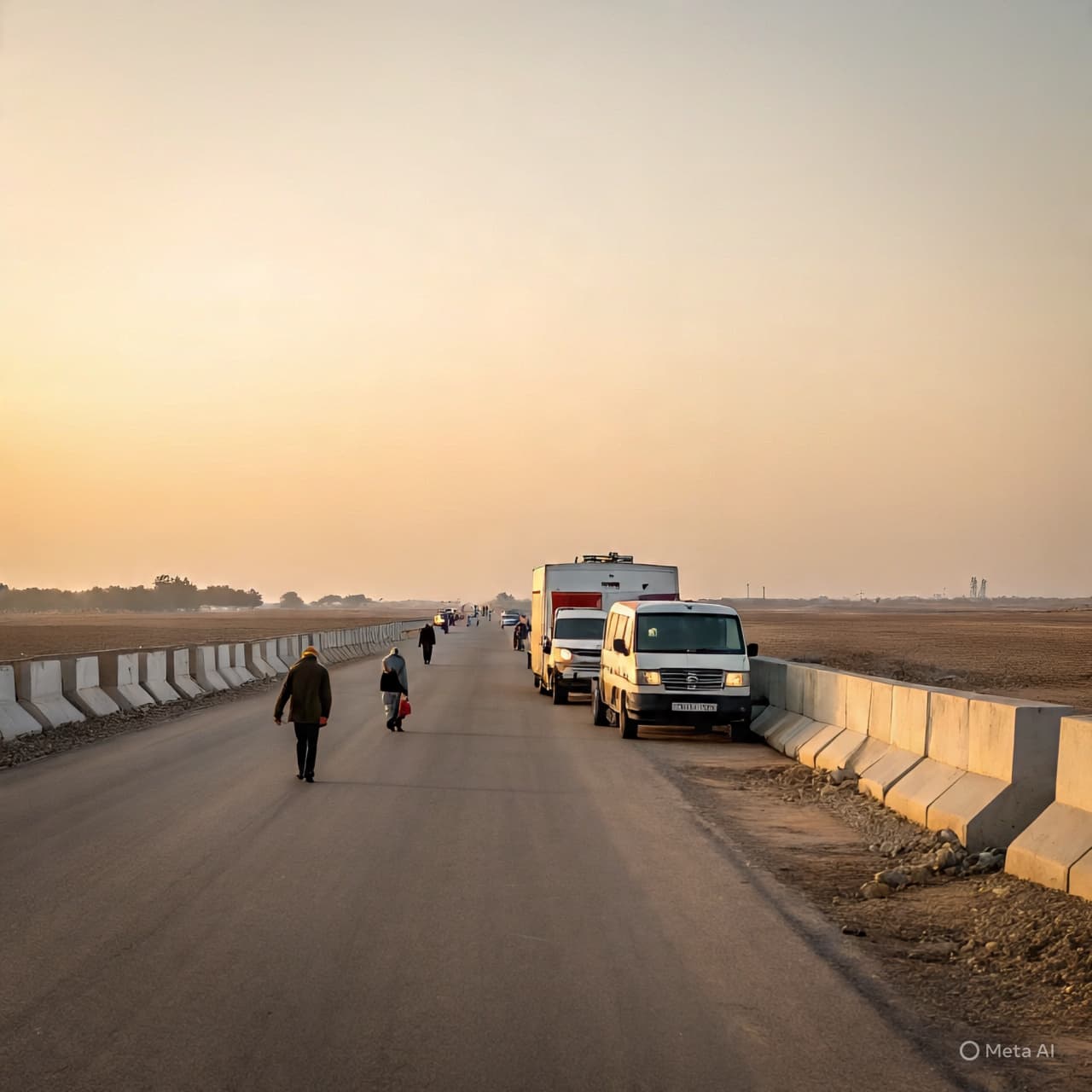
Initially, the reopening allowed only a limited number of individuals to cross, focusing on the sick and wounded who required urgent medical attention. Ambulances lined up near the crossing, highlighting the dire circumstances faced by many. For these individuals, the crossing was not merely a passage but a lifeline, a chance for survival amid a collapsing healthcare system in Gaza.
Conversely, a small number of Palestinians who had been outside Gaza returned to a changed landscape. Their homes and neighborhoods bore the scars of conflict, and the return was fraught with uncertainty. The act of crossing back into Gaza was laden with emotional weight, as many faced the reality of a life forever altered by war.
The reopening of Rafah was conducted under strict security measures, with pre-approved lists determining who could cross. This bureaucratic process meant that while some were granted passage, tens of thousands remained stranded, waiting for permission to leave for medical care or to reunite with family members. The situation at Rafah reflects a broader humanitarian crisis, where movement is heavily restricted, and lives are put on hold.
This cautious reopening is part of a larger ceasefire effort aimed at alleviating some of Gaza's isolation without destabilizing the fragile political situation. However, the flow of people remains minimal, with no significant movement of goods or services. Instead, the crossing has resumed at a measured pace, with individuals crossing one by one, as if the border itself is relearning how to function after a prolonged period of inactivity.
As the sun sets over Rafah, the crossing continues to serve as a threshold rather than a destination. It does not promise immediate relief or resolution to the ongoing conflict, but it does signify a small yet significant step towards restoring movement. In a place where movement has been largely denied, even the slightest reopening carries profound implications for those affected.
Published by Banx Network. This article is part of the Banx decentralized media programme, powered by the BXE token on the XRP Ledger.



