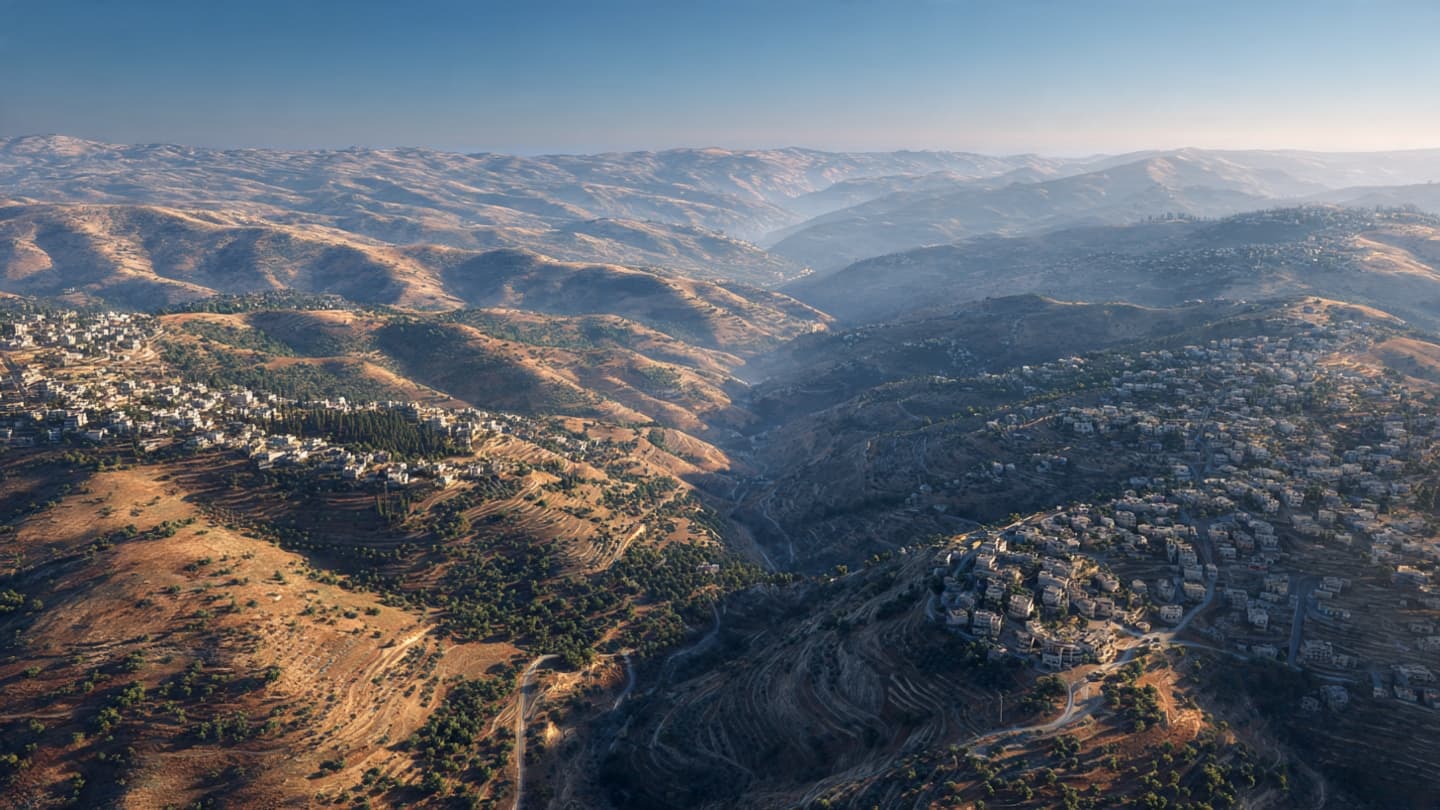
Morning often arrives quietly across the hills of the West Bank. Sunlight settles over olive groves that have shaped generations of harvests, while narrow roads wind between villages, farms, and rocky ridges. The landscape appears timeless from a distance, yet beneath its familiar contours lie countless stories carried from one season to the next. In recent years, many of those stories have become increasingly defined by uncertainty, displacement, and the search for ordinary life amid recurring violence.
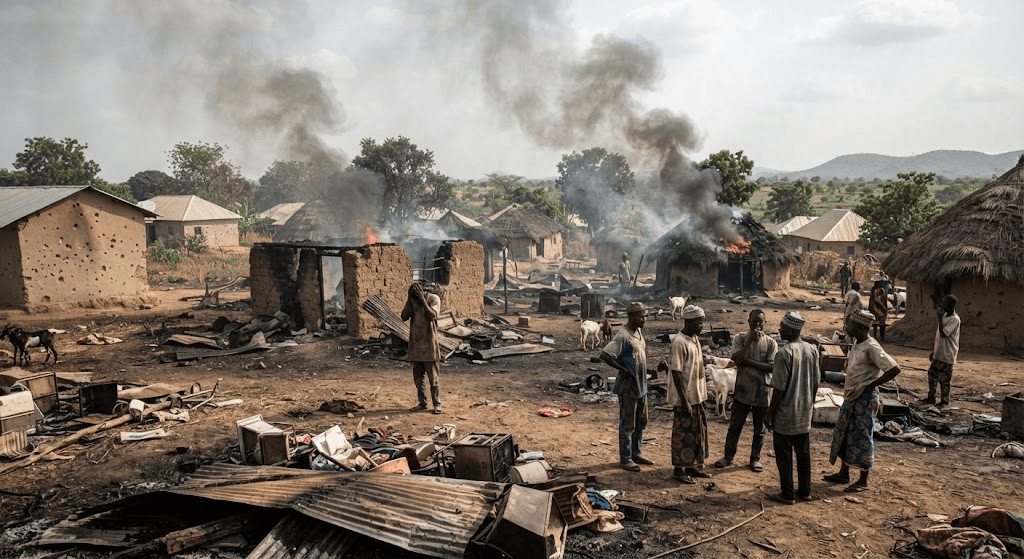
Maps documenting reported incidents of Israeli settler violence reveal a pattern extending across numerous parts of the occupied West Bank. Communities near villages, agricultural land, and transportation routes have reported attacks involving arson, vandalism, assaults, and damage to homes, vehicles, and olive orchards. Humanitarian organizations have observed that many of these incidents occur in areas where Palestinian communities and Israeli settlements lie in close proximity, making everyday activities increasingly difficult for residents.
The United Nations has recorded a sustained rise in reported settler-related incidents since the outbreak of the Gaza war in October 2023. According to UN monitoring, these events have contributed to displacement, restricted access to farmland, and growing concerns over civilian safety. Humanitarian agencies note that families in some rural communities have left their homes after repeated episodes of intimidation or violence, while others continue to face obstacles reaching fields essential to their livelihoods.
For many residents, geography has become inseparable from daily experience. A hillside is no longer only a place of cultivation, and a road is no longer merely a route between neighboring towns. The map itself changes meaning as communities weigh which paths remain safe, when harvests can be gathered, and how daily routines must adapt to changing conditions. These quiet calculations rarely appear in statistics, yet they shape ordinary life in profound ways.
Israeli authorities have stated that they investigate violent incidents and have arrested suspects in some cases. At the same time, Israeli officials have condemned attacks carried out by extremist settlers while also emphasizing the security challenges faced by Israeli communities in the West Bank. Human rights organizations, however, continue to argue that enforcement has often been inconsistent and that many reported incidents do not result in prosecutions, contributing to ongoing concerns about accountability.
The consequences extend beyond physical damage. Olive trees that require decades to mature, family homes built over generations, and shared community spaces all carry emotional significance that cannot easily be restored. When these places are affected, the loss is measured not only in property but also in memory, continuity, and a sense of belonging that landscapes quietly preserve.
International attention has increasingly focused on the humanitarian impact of these developments. Governments, humanitarian agencies, and independent monitoring organizations continue to document incidents while calling for greater protection of civilians and adherence to international law. Although perspectives on the broader conflict differ widely, there is broad recognition that civilians remain among those most deeply affected by recurring violence.
Maps can outline roads, villages, and hillsides with remarkable precision, yet they cannot fully capture the experiences of those who live within them. Behind every marked location are families tending fields, children walking to school, and communities seeking continuity despite persistent uncertainty. Their stories unfold quietly, often beyond the reach of headlines, but they remain central to understanding the landscape itself.
As monitoring organizations continue documenting incidents across the West Bank, the evolving maps serve not only as records of locations but also as reminders of the human realities connected to each point. The terrain remains beautiful in its enduring simplicity, yet the lives woven across it continue to reflect the complex challenges of a conflict that has shaped generations and still awaits a lasting resolution.
AI Image Disclaimer
These illustrations were generated using AI to provide conceptual visual context and are not documentary photographs.
Sources
United Nations Office for the Coordination of Humanitarian Affairs (OCHA) Reuters Associated Press B'Tselem United Nations Human Rights Office
Published by Banx Network. This article is part of the Banx decentralized media programme, powered by the BXE token on the XRP Ledger.