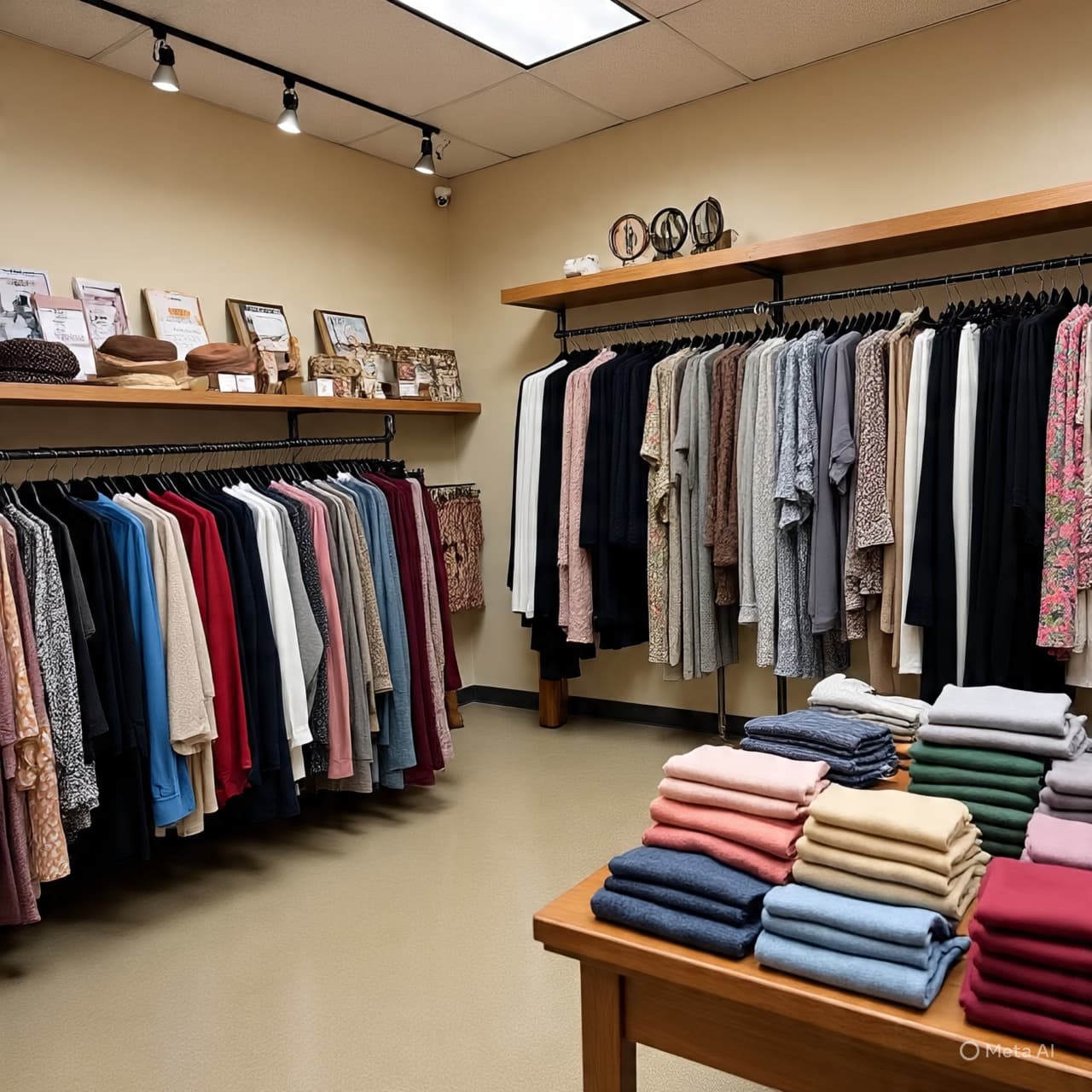
In the late afternoon glow on a quiet street in Sangli, western India, the sun dances against the colourful fabrics hanging in store windows. Once, the clatter of bazaars and the simple thrill of bargain‑hunting were the rhythms of everyday dress. White‑label kurtas and unbranded tees, stitched by hand or machine, moved swiftly from stall to sack to waiting customers. But now, the scene is gently shifting. Inside air‑conditioned spaces that hum with soft music and waiting attendants, there is a new cadence — the rustle of hangers holding contemporary designs, racks of vibrant prints, and shoes waiting in tidy lines for their next feet to carry them forward.
At the heart of this transformation is a shift in both expectation and access. Local residents, who once weighed every rupee against the cost of basic goods, now wander through three‑storey outlets with names like Trends or Zudio, exploring shelves of affordable t‑shirts, weathered jeans, kurtas with modern motifs, sneakers, handbags, and even costume jewellery. Here, clothes that bear familiar shapes and fresh designs sit beside small luxuries such as make‑up kits and discount scratch cards — trappings that once seemed reserved for major cities. This new retail experience feels, to many, like more than a purchase: it is a subtle step toward inclusion in a larger world of style.
The prices, too, carry a gentle surprise. Most items lie within a modest band, accessible at levels once associated with market stalls, and yet they come with a different promise: the comfort of fitting rooms, the lighted aisles, and the perception of brand identity that feels, for many shoppers, like a small enrichment of everyday life. This is not, strictly speaking, a radical upheaval — it is, rather, a quiet rebalancing of what consumers can expect and afford, a wallet‑shift from informal corners to organised shelves.
Behind this movement are brands that have sensed more than just demand; they have seen aspiration. Chains such as Zudio — once a small footprint among India’s retail landscape — now flourish with hundreds of outlets across towns and cities that long sat on the margins of retail attention. Their strategies borrow, in time and method, from the playbooks of global fast‑fashion giants, using swift inventory turnaround and contemporary designs to keep fresh styles on the rack every few weeks rather than months. In doing so, they offer a rhythm that simultaneously mirrors global trends and accommodates local sensibilities, at price points that resonate in the pockets of tier‑2 and tier‑3 towns.
Yet this transformation is not without its thoughtful edges. Traditional high‑street stores, whose earthy charm and long‑standing place in community life have endured for generations, find themselves adapting to this new mode of consumption. Some customer wallets shift, if only in part, from familiar hands that once wove bargains by the roadside, to branded outlets where the shopping experience unfolds with lights and attendants and mirrored rooms. On one hand, there is the glow of access and novelty; on the other, there is a sense of change, the kind that comes when patterns of purchase and preference are slowly rewritten.
There is also the broader backdrop of how India itself is evolving as a retail ecosystem. The apparel market grows quietly, buoyed by rising incomes, a vast online shopper base, and a generational tilt toward trends that travel swiftly across screens and streets alike. E‑commerce and quick‑commerce platforms extend deliveries deep into non‑metro hubs, bringing the promise of convenience alongside the still lingering charm of community stalls. Even as digital pages flicker with choices and same‑day parcels arrive, the simple pleasure of trying on a newly discovered design in a shaded shop remains, for many, a kind of gentle delight.
In plain reporting terms, budget fast‑fashion brands such as Zudio, Trends, Max, and others are expanding rapidly into smaller Indian towns, offering contemporary apparel at prices comparable with traditional markets, and reshaping consumer behaviour outside major metros. Their growth reflects broader trends in retail consumption as price‑conscious yet aspirational buyers seek a blend of affordability and style. This shift has implications for local merchants and the organised retail sector alike, and it underscores the evolving landscape of India’s apparel market.
AI Image Disclaimer Visuals are AI‑generated and serve as conceptual representations.
Sources (Media Names Only) BBC News Reuters Economic Times ETRetail.com
Published by Banx Network. This article is part of the Banx decentralized media programme, powered by the BXE token on the XRP Ledger.