
Key Highlights
- Hundreds of protesters marched in central London, advocating for an end to U.S. and Israeli military actions against Iran.
- The demonstration was part of a series of protests reflecting public engagement with the ongoing conflict.
- Organizers included various activist groups, emphasizing calls for de-escalation in the region.
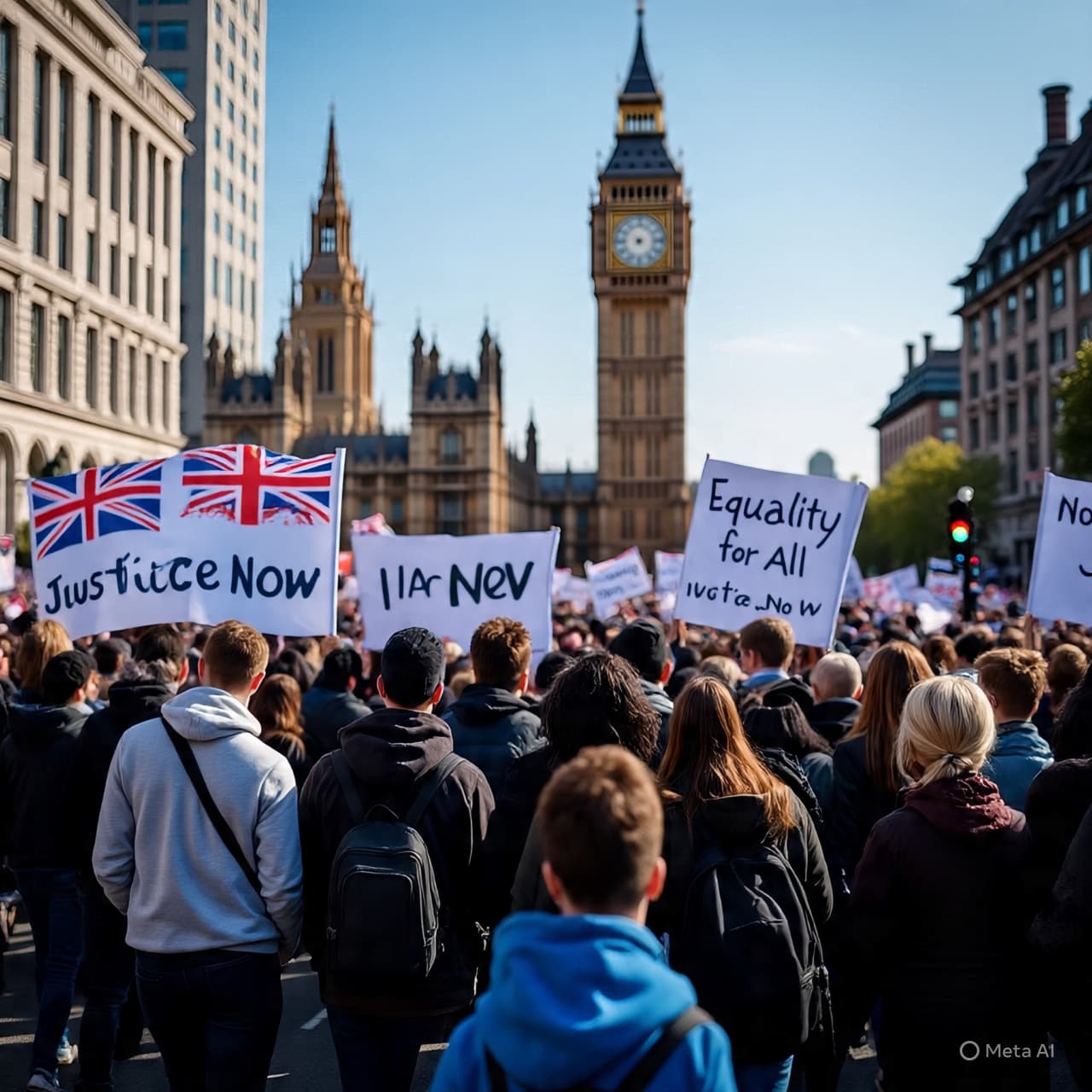
On a recent day in London, the streets became a canvas for dissent as hundreds of protesters gathered to voice their opposition to U.S. and Israeli military actions against Iran. This demonstration, which unfolded in the heart of the city, transformed familiar pathways into a vibrant corridor of expression, marked by raised placards and unified chants. The march not only highlighted the urgency of the protesters' message but also underscored the city's long-standing tradition of civic engagement.
The protest was part of a broader wave of demonstrations that have emerged in response to the escalating conflict involving Iran, Israel, and the United States. While this particular gathering drew hundreds, previous rallies in London have attracted thousands, indicating a sustained public interest in the issue. The diverse array of participants included members from various activist and anti-war groups, all united in their call for an end to military escalation and a push for diplomatic solutions.
As the march progressed through central London, the atmosphere remained largely peaceful, with a visible police presence ensuring the safety of participants and the smooth flow of traffic. The city, accustomed to such gatherings, adapted to the moment, redirecting vehicles and allowing pedestrians to pause and observe the unfolding scene. This dynamic interplay between protest and urban life is a hallmark of London, where the rhythm of the city often accommodates the voices of its citizens.
Protests addressing distant conflicts carry a unique weight. The physical distance from the events does not diminish their significance; rather, it amplifies the urgency of collective expression. Through the act of gathering, participants create a dialogue that transcends geographical boundaries, making their voices heard in a global conversation about war and peace.
As the demonstration drew to a close, the streets began to clear, with signs lowered and voices softened. Yet, the impact of the day lingered, not only in the memories of those who participated but also in the ongoing discussions surrounding a conflict that extends far beyond London's borders. The march served as a reminder of the power of civic engagement and the importance of standing in solidarity with those affected by international conflicts.
In the days following the protest, conversations about the implications of military actions in Iran continue to resonate within the community, reflecting a deep-seated concern for global peace and stability. The streets of London, once again, have borne witness to the voices of dissent, echoing the calls for change and justice in a world fraught with conflict.
Published by Banx Network. This article is part of the Banx decentralized media programme, powered by the BXE token on the XRP Ledger.



