
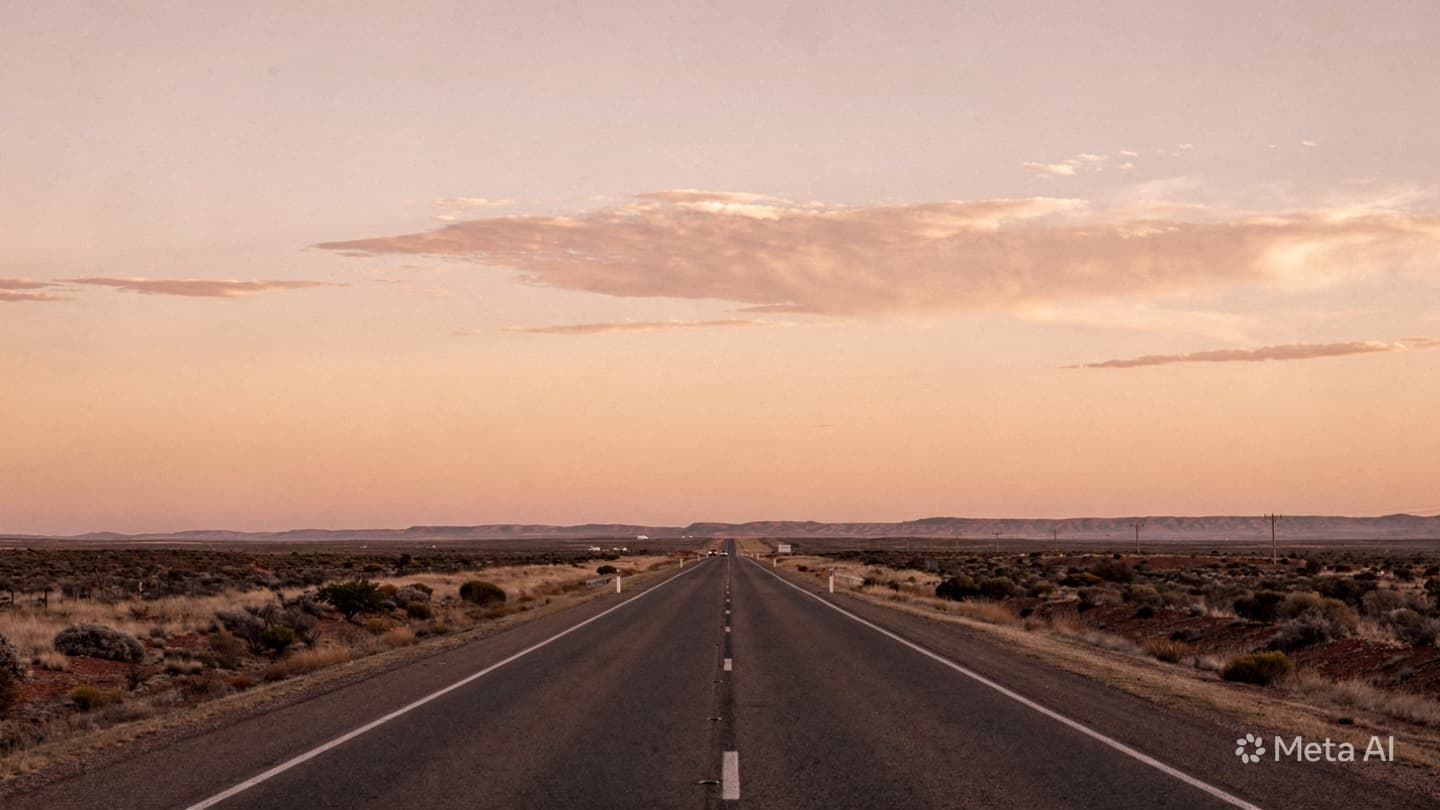
The Pacific Highway stretches like a ribbon of memory across the landscape, binding cities and coasts in a singular, relentless motion. It is a space of transition, where the landscape shifts from the urban density of the suburbs to the wide, open expanse of the Australian bush. Yet, for all its engineering and its promise of seamless transit, the highway is also a site of sudden, irreversible intersections, where the speed of modern life is brought to a jarring halt.
There is a rhythm to the road that lulls the senses—the hypnotic white lines, the steady hum of tires, and the shifting colors of the horizon. It is easy to forget, amidst the comfort of the cabin, that we are operating within a system of immense kinetic force. When a multi-vehicle collision occurs, it is an intrusion of physical violence into this rhythmic state, a reminder that the highway is a shared, precarious space where the margin for error is razor-thin.
Recent reports from the Pacific Highway describe a scene of profound disruption, where a journey intended for one destination ended abruptly at another. The immediate impact, the screech of metal, and the sudden, unnatural silence that follows form a narrative of loss that is repeated across the nation’s highways. It is a moment where the scale of the highway—so grand and expansive—is suddenly compressed into the small, tragic confines of the wreckage.
Emergency services, often the first to witness the reality behind the statistics, describe the scene with the precision of those who have seen such things too often. They navigate the debris and the complexity of the traffic, working to restore order to a space where chaos has suddenly taken root. Their work is a stark contrast to the carefree movement of the travelers who were on the road mere moments before.
For the families affected, the highway becomes a locus of profound grief, a geographic point on a map that will forever be associated with a singular moment of heartbreak. The loss of a life in such a public, arterial space makes the tragedy feel especially collective. Every passing motorist is a potential witness to the aftermath, a participant in the shared vulnerability of the road. It is a reminder that we are all, in a sense, traveling through the same experience, protected only by the thin veneer of safety protocols and our own vigilance.
The investigation that follows a multi-vehicle incident is a complex process of reconstruction, an attempt to map the precise vectors of force and decision that led to the event. Experts look for causal links, for the sequence of events that transformed a routine commute into a tragedy. Yet, even with the findings, the sense of randomness—the "if only" nature of the accident—persists. It is a hard reality to reconcile with our desire for predictability.
As the authorities clear the road and the traffic begins to flow again, the memory of the event lingers in the minds of those who pass the site. The landscape returns to its quiet, expansive self, hiding the scars left by the impact. The highway, in its relentless, forward-looking nature, seems to demand that we continue moving, yet the experience serves as a pause in the collective narrative of the country.
There is a quietude that follows the reopening of the road, a somber acknowledgment of the fragility of the transit that sustains our daily lives. We move across the vast distances of the continent with a sense of purpose and speed, often oblivious to the delicate balance that maintains our safety. The Pacific Highway remains, as ever, a corridor of movement and a silent keeper of the stories that have come to an end within its borders.
Police are investigating a multi-vehicle collision on the Pacific Highway that resulted in one fatality. Emergency responders, including ambulance and rescue crews, arrived at the scene to manage the wreckage and provide assistance to those involved. The incident led to significant traffic delays as investigators surveyed the area to determine the factors leading to the crash. A formal report is being prepared for the coroner as part of the ongoing road safety investigation.
Published by Banx Network. This article is part of the Banx decentralized media programme, powered by the BXE token on the XRP Ledger.


