
Key Highlights
- Thousands displaced:Increased volcanic activity at Mayon Volcano has forced thousands of residents to evacuate their homes.
- CARE's response: CARE Philippines is providing essential support to affected families, focusing on vulnerable groups.
- Ongoing needs:The humanitarian situation remains critical as authorities monitor volcanic activity and prepare for further evacuations.
In the Philippines, the Mayon Volcano has once again become a focal point of concern as its heightened activity has led to significant humanitarian challenges. With the volcano currently at Alert Level 3, thousands of families have been evacuated from their homes in Albay province, facing an uncertain future. CARE Philippines, under the leadership of Country Director Reiza S. Dejito, is actively responding to the urgent needs of these displaced communities, emphasizing the importance of addressing both immediate and long-term humanitarian requirements.
The recent escalation of volcanic activity, characterized by visible lava flows and increased seismic unrest, has prompted local authorities to implement evacuation orders for residents living within danger zones. As families gather their belongings and leave their homes, the psychological and emotional toll of such upheaval cannot be understated. CARE Philippines recognizes that the impact of the eruption extends beyond physical safety; it disrupts livelihoods, education, and overall well-being.
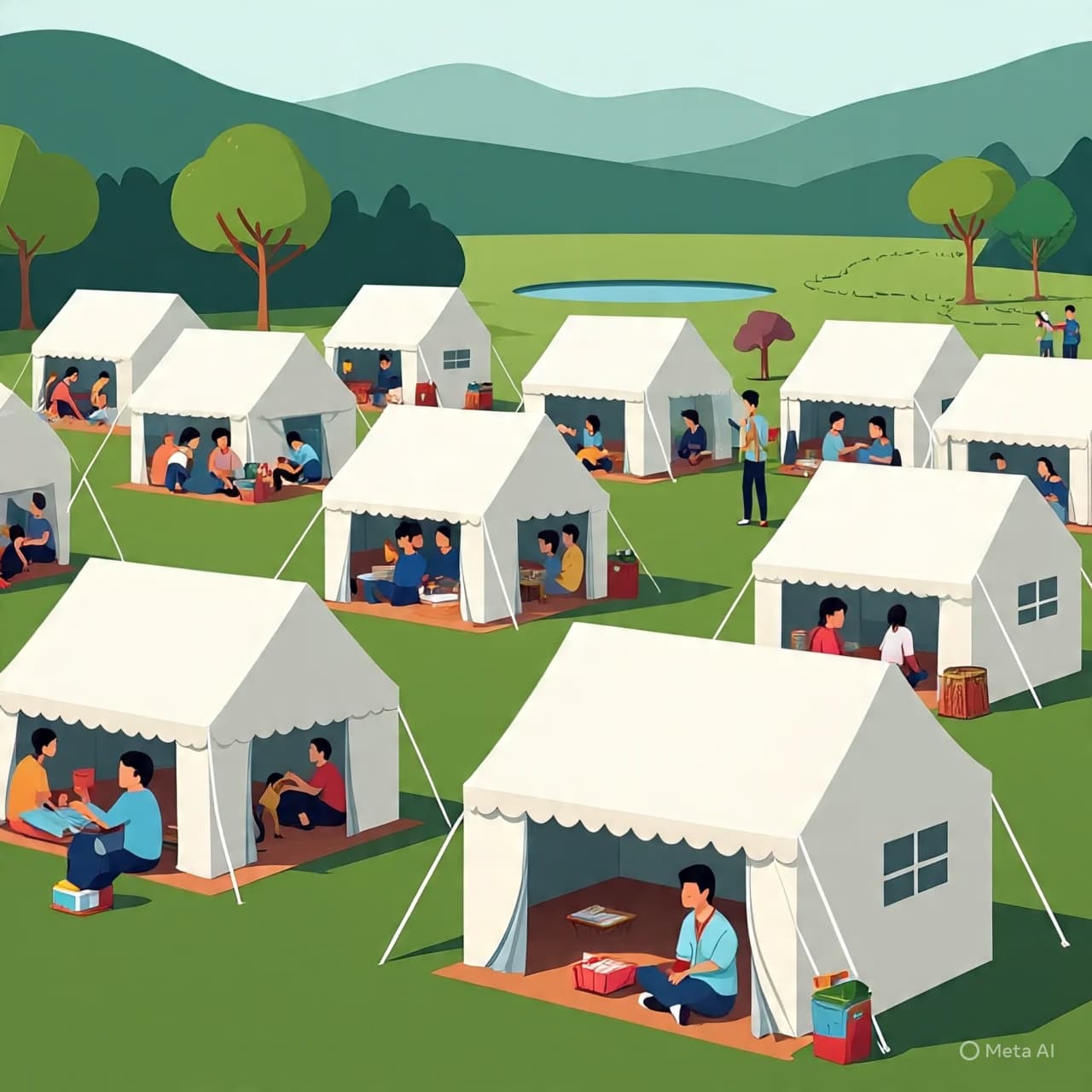
In response to this crisis, CARE Philippines is mobilizing resources to provide essential supplies such as food, clean water, and shelter to those affected. The organization is particularly focused on the needs of vulnerable populations, including women and children, who may face heightened risks in displacement settings. By coordinating with local partners and government agencies, CARE aims to ensure that aid reaches those who need it most, fostering a sense of community and resilience among evacuees.
The humanitarian response is not just about immediate relief; it also involves addressing the longer-term implications of displacement. Families uprooted by the eruption face challenges such as interrupted education for children and the loss of income for parents. CARE's holistic approach includes psychosocial support to help individuals cope with the emotional strain of their situation, alongside practical assistance like hygiene kits and safe sanitation facilities.
As the situation around Mayon Volcano continues to evolve, the need for a robust and adaptable humanitarian response remains critical. Scientists have warned that the potential for further volcanic activity is still present, necessitating ongoing vigilance and preparedness. CARE Philippines is committed to adapting its response as the needs of the affected communities change, ensuring that support is not only timely but also effective in helping families rebuild their lives.
In conclusion, the eruption of Mayon Volcano serves as a stark reminder of the vulnerabilities faced by communities living in the shadow of natural disasters. CARE Philippines' efforts to provide comprehensive support reflect a deep commitment to humanitarian principles, emphasizing that resilience is measured not only by survival but also by the ability to recover and thrive in the aftermath of such crises.
Published by Banx Network. This article is part of the Banx decentralized media programme, powered by the BXE token on the XRP Ledger.



