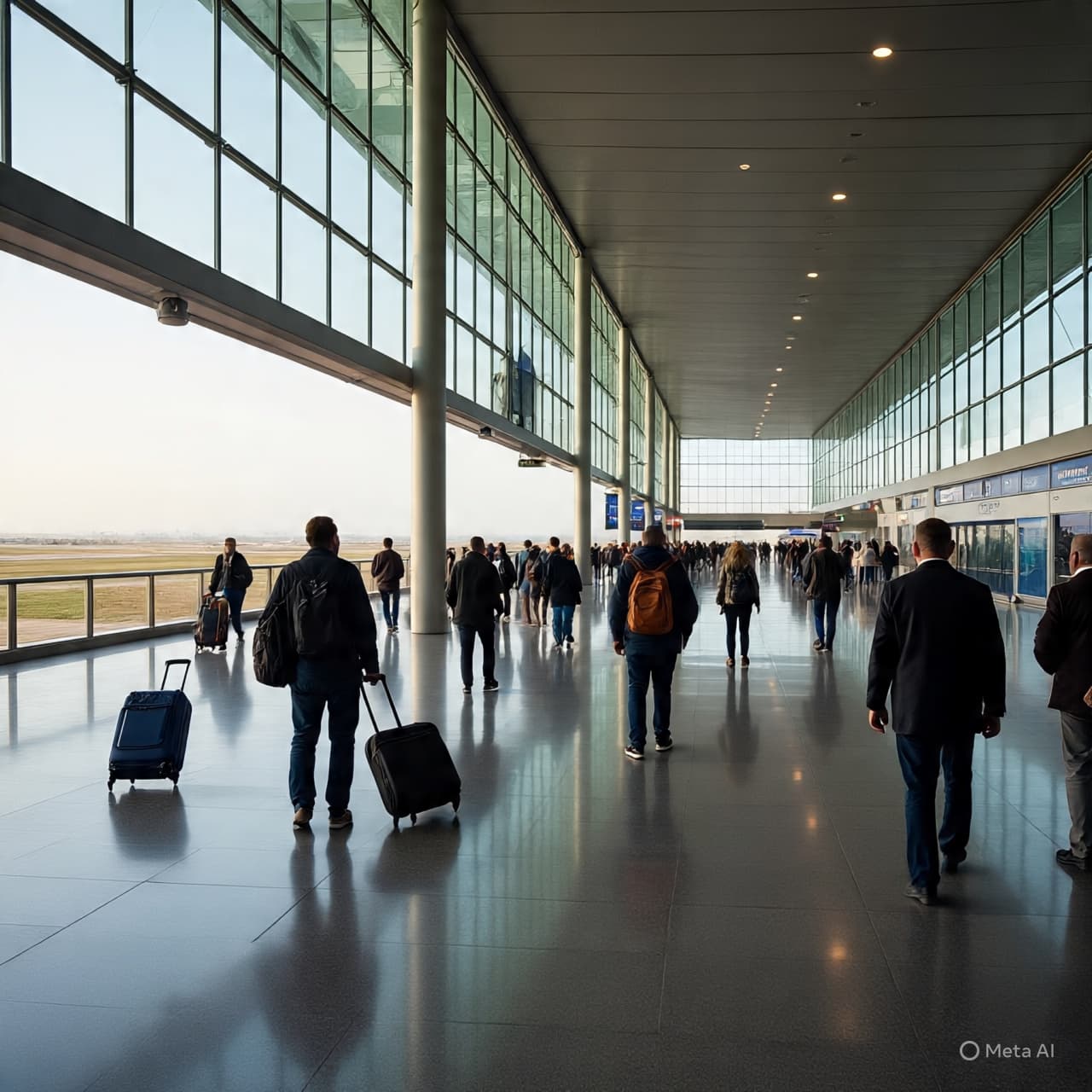
The year opened with motion. Aircraft traced fresh arcs across the Mediterranean and the Sahara, stitching cities closer together with routes that felt newly possible. In Morocco and Egypt, mornings began earlier, museums stayed open later, and hotel lobbies filled with the soft multilingual murmur that signals a destination in stride. Tourism, long a measure of confidence as much as curiosity, moved decisively forward.
By the close of 2025, both countries had posted record visitor numbers, consolidating their positions as Africa’s most visited destinations. The growth was not sudden or accidental. It followed months of deliberate expansion in air connectivity, a calendar of cultural openings, and the gravitational pull of a major continental sporting event that brought global attention and steady flows of travelers.
In Morocco, new direct flights linked cities like Marrakech, Casablanca, and Agadir to a wider map of European, Middle Eastern, and African hubs. These routes shortened distances that once felt psychological as much as physical, allowing weekend travelers and long-haul visitors to arrive with fewer pauses. The effect rippled outward, from restored riads in old medinas to coastal resorts tuned to a more international rhythm.
Egypt’s momentum followed a parallel path, grounded in spectacle and scale. The long-anticipated opening phases of the Grand Egyptian Museum near the Giza pyramids transformed anticipation into arrival, drawing first-time visitors and repeat travelers alike. Inside its galleries, ancient artifacts stood beneath modern glass and light, offering a carefully staged encounter between past and present that became a centerpiece of itineraries.
Sport added another layer of movement. Africa’s top football tournament, hosted on the continent during the year, sent fans across borders and into host cities, filling flights, trains, and streets. Matches became more than games; they were anchors around which travel plans formed, extending stays and spreading visitors beyond traditional tourist cores.
What distinguished 2025 was not only volume but distribution. Travelers moved more confidently between cities, mixed cultural visits with leisure, and stayed longer. Authorities in both countries emphasized capacity management and infrastructure readiness, seeking to balance growth with preservation in places where history is not an attraction but a living setting.
By year’s end, the numbers told a clear story: Morocco and Egypt had not only recovered momentum but reshaped it. Tourism became a quiet marker of stability and openness, measured in arrivals, nights stayed, and the steady hum of airports and museums. As winter approached, the movement slowed only slightly, leaving behind a sense that these familiar destinations had entered a new, sustained chapter of welcome.
### AI Image Disclaimer
Illustrations were created using AI tools and are not real photographs.
### Sources (media names only)
Reuters Associated Press The New York Times The Washington Post Los Angeles Times
Published by Banx Network. This article is part of the Banx decentralized media programme, powered by the BXE token on the XRP Ledger.